
Waste & Recycling
 Plastic Pollution
 inspiration
02·14·19
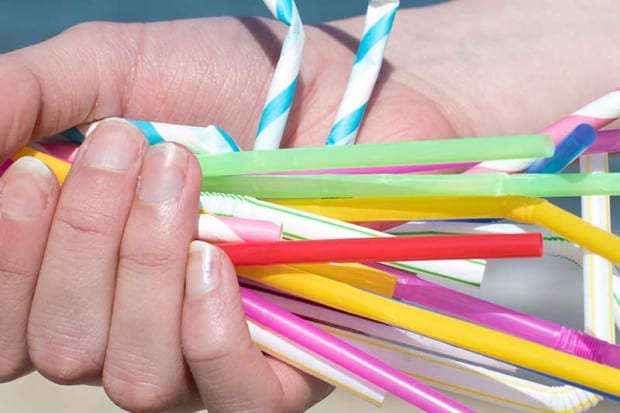
Plastic straws are almost always used only once before being disposed of. Further, they really are non-essential (we can drink soda without right?). Plastic straws are single-use, lightweight, and made from Polypropylene, a material which isn’t easily recycled and degrades slowly. As a result, the negative environmental impact of plastic straws is disproportionate compared to […]
 Plastic Pollutioninspiration
02·13·19
This brief history of plastic straws looks their early uses in ancient times through to the modern day. From ancient times used to drink beer from ancient gourds, through to their modern-day popularity, originally helping alleviate health concerns from sharing glasses in Americ's soda fountains. Right up to current times when it seems no takeaway […]
 Plastic Pollutioninspiration
BY Zoe Cuckow ·
08·24·18
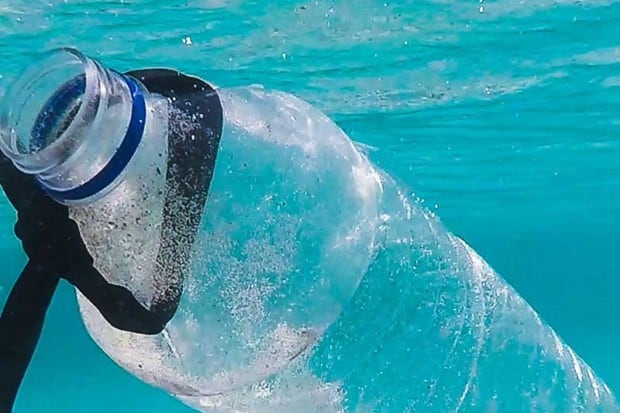
The issue of ocean plastics hit our TV screens with the BBC’s Blue Planet II, a national debate was sparked, and now public pressure is accelerating policy change. On the surface, this issue appears to be a product of our ultra-modern obsession with plastics, but in reality, the issue has a deeper, darker history. Ultimately, […]
 Plastic Pollutioninspiration
BY ·
08·06·18
2018 has seen the United Kingdom join the fight against ocean plastics in a big way. On January 9th, the ban on plastic microbeads in cosmetics went into effect, and in February the Queen herself entered the fray, banning plastic bottles and straws from Royal properties. But one enemy combatant has escaped this recent round […]
 Plastic Pollutioninspiration
BY Brad Frankel ·
06·27·18
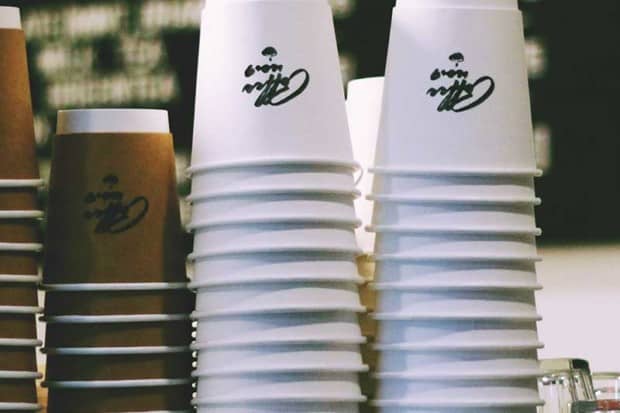
The ‘latte levy’– a new tax on disposable plastic cups- has hit the UK headlines this week. Brad Frankel gives his expert opinion as a marine conservationist and co-founder of Flooglebinder, a sustainable travel and education company.
 Plastic Pollutioninspiration
BY ·
06·26·18
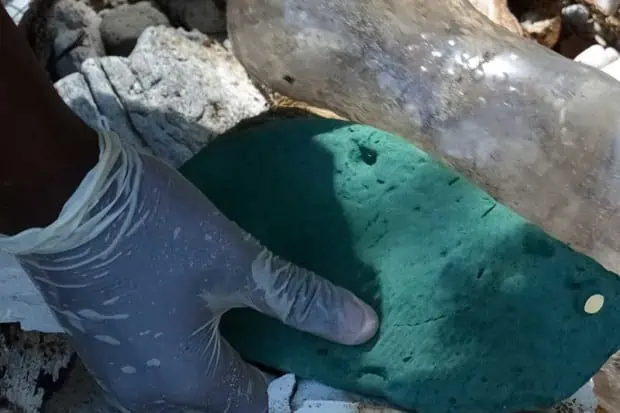
Meet Sam from Ministry of Waste who tackles beach plastics in the Philippines and connects local communities to global leaders of sustainability and waste industry innovators to tackle the issue of plastic in the ocean. She speaks honestly on the power of local communities and how starting her project gave her life a deeper sense […]
 Plastic Pollutioninspiration
BY ·
06·26·18
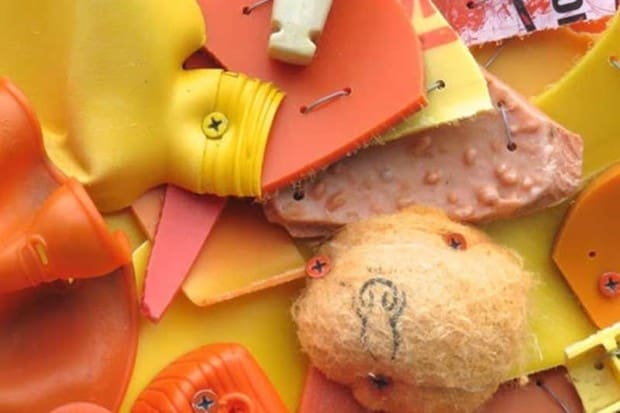
It takes someone special to see the world in a different light and encourage others to do the same, just like Washed Ashore’s vision and the phenomenonal talent of its founder, Angela Haseltine Pozzi. Frank, one of the team, gives us an insider’s look to this team of artists, visionaries and public educators.
 Waste & Recyclinginspiration
04·21·18
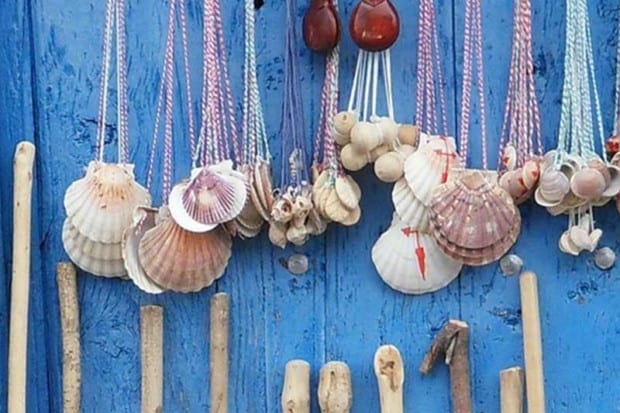
Augusta Thomson, shares her perspective on sustainability and her research on the Camino de Santiago and how to keep the Camino clean. My research begs a larger question about our responsibility to the planet more generally. If we are all implicated in environmental degradation, how can we work together to think through wise, culturally-sensitive, and long-lasting […]
 Plastic Pollutioninspiration
BY Zoe Cuckow ·
01·12·18
As consumers, we all know plastics are everywhere. We've produced more plastic in the last 10 years than in the whole of the 20th century and 50% of the plastics we use, we use only just once. From the Arctic where the majority of UK plastics end up to the Gulf of Mexico Dead Zone […]


