
Waste & Recycling
 Waste & Recycling
 guide
guideBY Jennifer Okafor ·
09·15·23
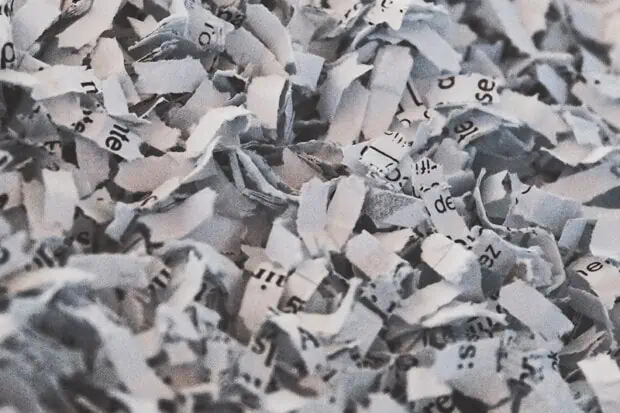
Do you know all the ways you can use shredded paper? It's not only for keeping your private info and then straight to the trash. This article will teach you creative ways to use them, from eco-friendly packing and crafts to composting - learn more here.
 Waste & Recyclingguide
BY Jennifer Okafor ·
08·30·23
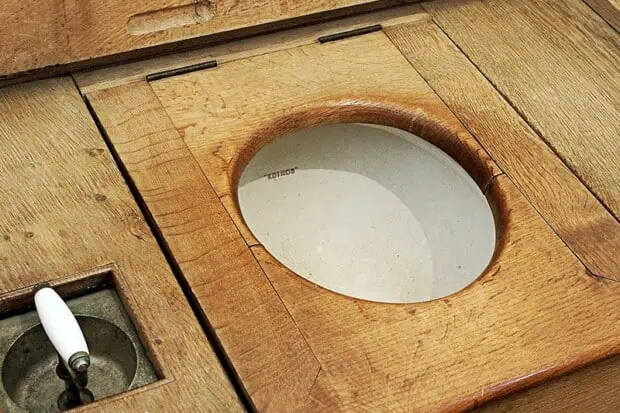
Interested in knowing how composting toilets work? Our comprehensive article makes the science behind these innovative, sustainable systems understandable. Discover the unique types, significant advantages, and how they contribute to an eco-conscious lifestyle.
 Waste & Recyclingguide
BY Jennifer Okafor ·
08·27·23
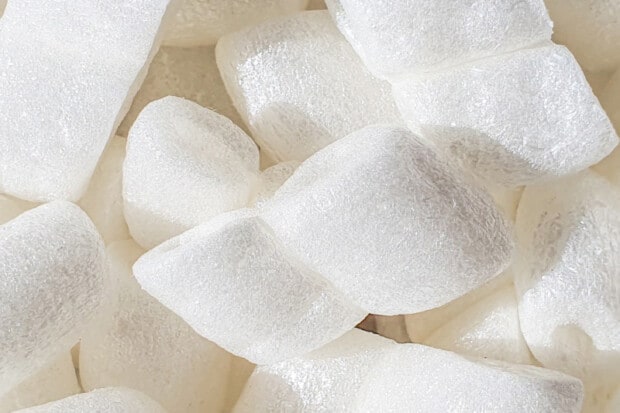
In this educational read, examine packing peanuts, the different types available, and their environmental footprint. Explore ways on how you can recycle packing peanuts or reuse them effectively. Furthermore, find out sustainable alternatives and be part of the solution. Click to read more!
 Waste & Recycling
 inspiration
BY Jennifer Okafor ·
07·30·23
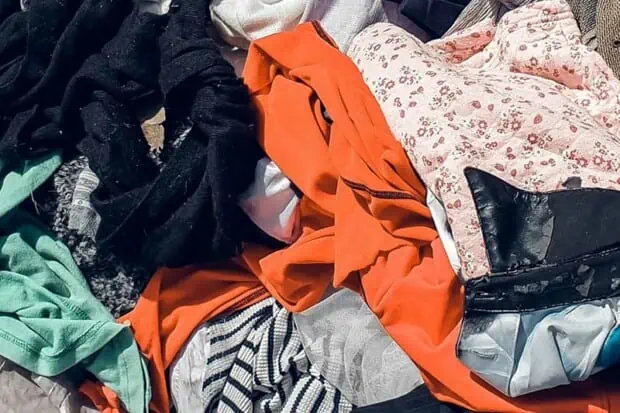
The global production of textiles and new clothing has snowballed over the last few decades. Clothing is an essential part of our lives. However, it produces significant amounts of waste throughout its life cycle. The environmental impact of textile waste is too severe on the planet for us to ignore. This article explores the causes and […]
 Plastic Pollutioninspiration
BY Jennifer Okafor ·
07·26·23
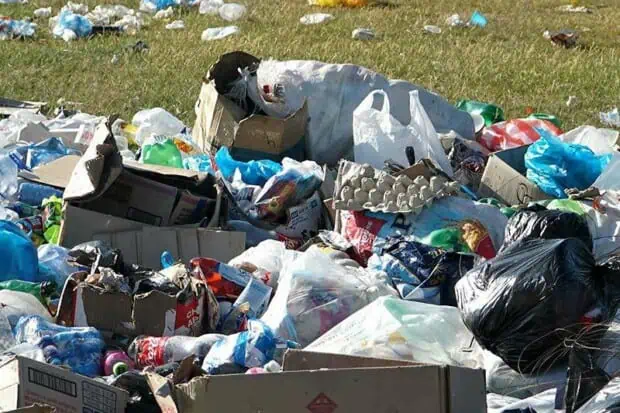
The manufacturing process of plastic objects requires polymer materials and other petrochemicals sourced from fossil fuels, which damage the environment and disposing of such items create plastic waste. In this articles we explore the numerous environmental impacts of plastic waste in detail.
 Food Wasteinspiration
BY Jennifer Okafor ·
07·17·23
The hot compost method is a quick and efficient way to turn your waste into high-quality compost for your garden. For faster composting, this guide covers all you need to know about hot composting and how to get started.
 Food Wasteinspiration
BY Jennifer Okafor ·
07·11·23
In our quest for sustainable living, food recycling saves costs and helps the environment. This article explores 14 ways to use food scraps. It also shares an overview of the benefits of recycling food scraps.
 Waste & Recyclinginspiration
BY Jennifer Okafor ·
07·11·23
Despite our digital lists and paper-free moves, we still use a lot of paper, producing a lot of waste. Yet paper waste isn't great for the environment when we can avoid it in the first place. Read on for 17 ways to reduce paper waste in your home
 Waste & Recyclinginspiration
BY Jennifer Okafor ·
07·03·23
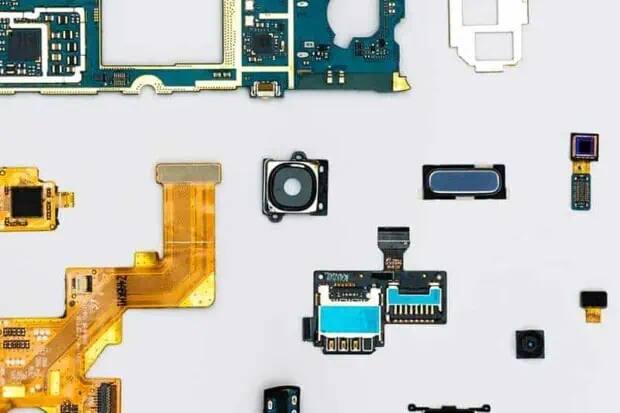
Explore the critical 'Right to Repair' movement and discover how repair rights can combat planned obsolescence, reduce electronic waste, and empower consumers. Learn about the battle being waged against tech giants and why your ability to fix your own devices matters.
 Food Wasteinspiration
BY Jennifer Okafor ·
06·21·23
Studies indicate that two significant factors on food labels impact consumer choices: food prices and expiration dates. This article explores the meanings and types of dating labels. It also examines the problems associated with food date labeling, resulting in food waste, and potential solutions.
 Waste & Recyclinginspiration
BY Jennifer Okafor ·
06·20·23
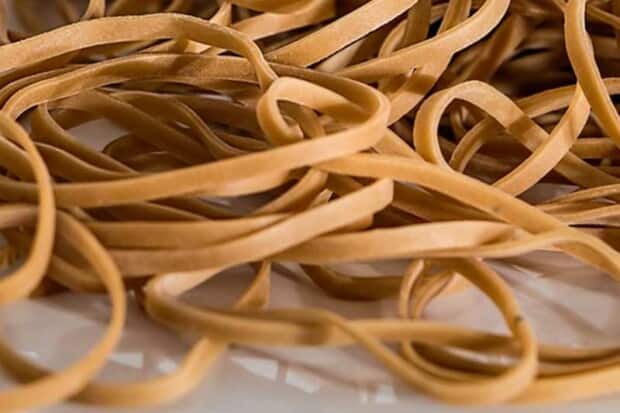
Rubber is part of our daily lives. From rubber bands to car tires, containers, tools, and other rubber products, rubber is a commonly used raw material. If you’re eco-conscious or simply curious, you may wonder, is rubber biodegradable or non-biodegradable? How long does it take to decompose? Are rubber products environmentally friendly? Click on for […]
 Waste & Recyclinginspiration
BY Jennifer Okafor ·
06·20·23
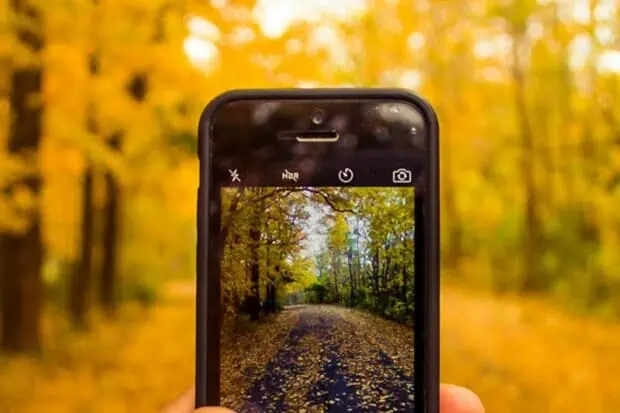
Using mobile technology increases every year. As of 2021, there were 5.7 billion phone users. The more we buy new devices, the more electronic waste we produce. This article explores why you should be careful when disposing of your old device and the best ways to avoid environmental harm. It also lists ways to give […]
 Waste & Recyclinginspiration
BY Jennifer Okafor ·
05·15·23
Most people consider paper items and packaging to be safer for the environment than plastics. For an item or product to be safe for the environment, it has to be recyclable, biodegradable, or compostable. So, is paper biodegradable? Are the various forms of paper biodegradable?
 Plastic Pollutioninspiration
BY Jennifer Okafor ·
05·08·23
Manufacturing ecobricks maintains a basic principle: get all the plastic you can't reuse or recycle locally and put it together with the maximum packing power into PET bottles. This article explores the resources and steps required to create an ecobrick. It also explores the benefits and disadvantages of ecobricks to the environment.
 Waste & Recyclinginspiration
BY Jennifer Okafor ·
05·08·23
Got a used-up lighter lying around? Don't just toss it in the trash! It's easy to overlook the potential harm that lighters and lighter fluids can cause us and the environment. Here's your guide on how to dispose of lighters, keeping you and the environment safe.
 Plastic Pollutioninspiration
BY Jennifer Okafor ·
05·01·23
We face global plastic pollution, with microplastics at the forefront of our pollution problems. Have you ever wondered what manufacturers use to produce larger plastic items? They use microplastics known as nurdles. We explore the source of these tiny plastic pallets, impacts, and potential solutions for a cleaner future.
 Food Wasteinspiration
BY Jennifer Okafor ·
04·23·23
Do you know that roughly one-third of the food produced worldwide goes to waste? When food goes to waste, energy, resources, and money also go to waste. You can reduce food waste through what is called zero-waste meal planning. Here's 13 tips to enjoy healthy meals with zero-waste meal planning and save money and time.
 Food Wasteinspiration
BY Jennifer Okafor ·
04·05·23
Food rescue is an initiative that saves perfectly good food labeled as waste. Food rescue programs are designed to deploy various food reuse strategies to distribute food waste for consumption or a more productive end than simply ending up in the trash. This articles defines food rescue and highlights some of the organizations that redistribute […]
 Waste & Recyclinginspiration
BY Jennifer Okafor ·
03·07·23
Reducing waste has become a crucial goal for society. While controlling the production of goods may prove difficult, effective waste management and recycling techniques can play a significant role in achieving this objective. This article explores the concepts of closed-loop and open-loop recycling, focusing on the former's process and benefits.
 Waste & Recyclinginspiration
BY Jennifer Okafor ·
02·21·23
Recycling facilities recycle glass waste, melting it to create new products. However, whereas glass is commonly recycled, some glass items are not recyclable. This article explores everything you need to know about glass recycling, types of glass you can recycle, and those you can't, environmental impacts and ideas for reuse.
 Waste & Recyclinginspiration
BY Jennifer Okafor ·
01·15·23
Zero waste has an interesting history, and it’s not just the recent past. The zero waste concept refers to strategies and principles that prevent waste creation and conserve raw materials through sustainable production and consumption. If you are curious about how the zero waste movement began, we trace its origin in this article.
 Waste & Recyclinginspiration
BY Jennifer Okafor ·
01·13·23
It’s no secret that some people don’t recycle. In fact, according to the Environmental Protection Agency, the recycling rate in the U.S. is 32%. Globally, we only recycle 9% of our plastic waste. There are various reasons why people don’t recycle. We examine why people do not recycle and how we can build zero-waste, high-recycling […]
 Waste & Recyclinginspiration
BY Jennifer Okafor ·
01·13·23
It's the responsibility of countries worldwide to manage their waste appropriately. Here are some countries that are working towards maintaining zero-waste practices by focusing on zero-waste resource management and other policies, and some of the better examples of improving recycling rates.
 Waste & Recyclinginspiration
BY Jennifer Okafor ·
01·07·23
With the increasing awareness of our environmental impact, many people are looking for ways to reduce waste and recycle more materials. One material that often comes up in conversation is cellophane, with many asking whether or not it is possible to recycle cellophane. The answer may surprise you...
 Waste & Recyclinginspiration
BY Jennifer Okafor ·
01·06·23
Recycling is an integral part of helping to protect the environment and reduce waste. But what would happen if people stopped recycling? The consequences could be dire, as the resources on our planet are already stretched thin due to overconsumption and population growth.
 Waste & Recyclinginspiration
BY Jennifer Okafor ·
01·05·23
The world produces so much waste because of the industrialization of societies and economies at large. The global waste trade moves a lot more of our trash around the world than you might think - which countries buy garbage? And we explore the trade in global waste.


