
National Kindergarten Day: Where Learning Through Play Begins

April 21 marks National Kindergarten Day, the birthday of Friedrich Froebel. Back in 1837, this German educator created the first "children's garden" - kindergarten - changing how we think about early learning forever. The day celebrates both Froebel's ideas and the teachers who bring them to life. Those first school experiences shape kids in ways nothing else can.
Key Info: National Kindergarten Day
- When is National Kindergarten Day?
Occurs annually on the 21st of April - This Year (2026):
Tuesday, April 21, 2026 (date has passed) -
Future Dates
- Wednesday, April 21, 2027
- Friday, April 21, 2028
- Saturday, April 21, 2029
- Sunday, April 21, 2030
-
Additional Details
- Observed By: Kindergarten teachers, students, families, and educational institutions across America
- Where Is It Observed: United States
- Primary Theme: Early Childhood Education
- Hashtags: #NationalKindergartenDay #KindergartenDay #EarlyChildhoodEducation #Froebel #KindergartenTeachers
Quick Links: National Kindergarten Day
The Story Behind the Day
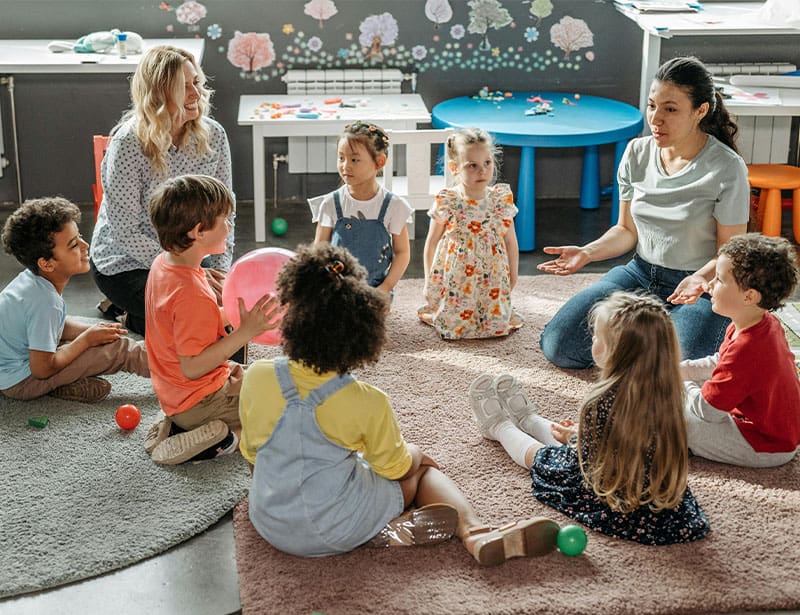
Froebel opened his first kindergarten after years of studying how children actually learn. He ditched rigid lessons for something radical - learning through play. Kids explored with materials designed to support their natural growth. "Kindergarten" literally means children's garden in German. This name wasn't random - Froebel believed children needed nurturing like plants, not programming like machines[1].
His ideas weren't exactly welcomed at first. The Prussian government even banned kindergartens in 1851, worried they might spark too much independent thinking. Beyond this barrier, his approach spread worldwide anyway.
America's kindergarten story began in Watertown, Wisconsin. Margarethe Meyer Schurz started the first German-language kindergarten there in 1856[2].
Elizabeth Peabody followed with the first English-language version in Boston four years later. Public kindergarten didn't exist until Susan Blow launched her St. Louis program in 1873.
We celebrate on April 21 because that's when Froebel was born back in 1782. The day remains mostly grassroots - no official federal holiday status yet.
Timeline
Friedrich Froebel born in Germany
First kindergarten opens in Blankenburg, Germany
Froebel dies on June 21
First U.S. kindergarten opens in Watertown, Wisconsin (German-language)
First English-language kindergarten in America opens in Boston
First public kindergarten established in St. Louis
National Kindergarten Day begins annual observance on April 21
Why It Matters
Kindergarten isn't just cute - it's a crucial foundation-building. Research in PLOS One shows that kindergarten attendance improves pupils' skills development in the long run[3]. These early classroom experiences develop thinking skills, friendships, and attitudes about school that stick. Teachers guide these moments with skill that often goes unnoticed.
What memories do you still carry from your kindergarten days? Most adults can recall those experiences with weird clarity decades later.
Froebel's child-first approach still works. The Journal of Early Childhood Research confirms that play-based learning beats direct instruction across developmental areas[1]. National Kindergarten Day reminds us of these core ideas - that kids need exploration more than worksheets.
Ways to Celebrate
For Teachers:
Try bringing Froebel's original vision back to your classroom. Take kids outside to observe nature. Set up block stations with geometric shapes. Create centers featuring Froebel's "gifts" - simple objects like cubes, spheres, and cylinders..
Tell stories about kindergarten's history. Or plant something on April 21 - a literal children's garden that connects to the name's roots.
For Parents:
Simple home activities work best. Make handmade thank-you cards with your kids for their kindergarten teacher. Read books about starting school.
Find sticks, rocks, and leaves to sort and play with; this connects directly to Froebel's nature-based learning.
Share your own kindergarten stories. Kids love hearing what school was like "in the olden days."
For Communities:
Schools might host teacher appreciation events. Libraries can feature kindergarten-themed books and Froebel's ideas. Community gardens planted by kindergarteners bring the metaphor to life. Social media posts with #NationalKindergartenDay spread the word beyond neighborhoods.
Modern Kindergarten: Keeping Froebel's Vision
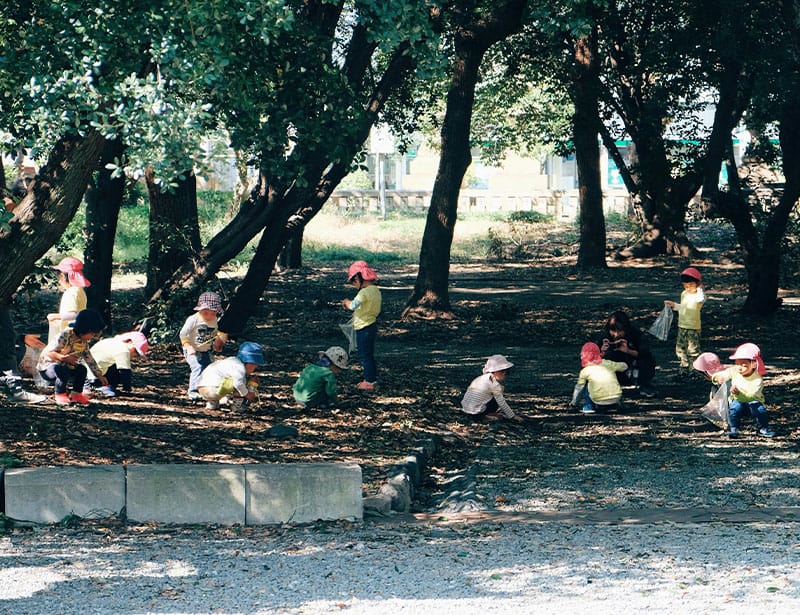
Today's kindergartens balance academics and play better than most people realize. Good teachers still incorporate nature, creativity, and guided discovery into everyday activities.
Froebel would recognize his influence in well-designed classroom centers. University of Nebraska researchers found that effective kindergartens need intentional design with varied materials, adequate play space, and daily outdoor learning[4]. This connects clearly to what Froebel envisioned almost two centuries ago.
Technology presents both opportunities and challenges. The best teachers use digital tools to enhance hands-on experiences, not replace them. Sometimes the iPad needs to stay in the cabinet; finger paint can't be digitized.
Working Toward Recognition
The day remains mostly grassroots without official federal designation. Organizations like the National Association for the Education of Young Children (NAEYC) advocate for early childhood awareness year-round.
The Froebel Trust preserves his educational legacy internationally through research funding and teacher development. The Association of American Educators promotes kindergarten's importance through policy work and teacher support.
Some local mayors and governors issue proclamations recognizing the day. In Watertown, Wisconsin, the historical society maintains America's first kindergarten building as a museum; their work keeps this history touchable for visitors today[2].
Final Thoughts
National Kindergarten Day celebrates both historical roots and today's classrooms. The day makes us think about education's purpose beyond ABCs and 123s.
Kindergarten builds social skills, creativity, and thinking patterns through play - exactly as Froebel intended. Small steps.
Parents, teachers, and communities benefit when we recognize kindergarten's developmental importance. Friedrich Froebel's garden keeps growing, one curious five-year-old at a time. And that's exactly what he would have wanted.
Resources:
FAQs (Frequently Asked Questions)
Kids starting kindergarten need to be 5 years old in most states, but the exact cutoff dates differ depending where you live. What documents do schools actually require? Florida and Mississippi want children born before September 1, while California and Kentucky set their own timelines. Since 2010, most states have standardized their enrollment processes to create clear connections between preschool and kindergarten programs. When parents register their kids, schools ask for age proof, where they live, and vaccination records following guidelines from the National Center for Education Statistics.
National Kindergarten Day traces back to Friedrich Frobel's work in Germany. He created the "children's garden" concept in 1837 that points to the importance of learning through play. Schools celebrate differently today - some organize outdoor activities while others focus on thanking teachers. This suggests Frobel's original ideas about creativity still matter. Research from the University of Nebraska-Lincoln shows his methods shape early education across 40+ countries. But cultural adaptations vary widely, with Asian programs often adding more academic elements while Nordic countries emphasize outdoor learning.
Froebel built his kindergarten around special toys he called "gifts" - basic shapes and natural items that help kids learn through play. How much of his approach remains today? Modern kindergartens still value hands-on activities but now include academic standards and digital tools that weren't available back then. This relates to broader shifts in education priorities over the past century. Since 2015, experts have pushed for balance between academic preparation and practical protection of childhood development. Despite these changes, quality programs still embrace Froebel's core belief that young children learn best through direct experience with their environment.
Sources & References
- [1]
- Early Years TV. (2024, May 15). Friedrich Froebel and the Power of Play.
↩ - [2]
- Spectrum News 1. (2024, September 9). Nation's first kindergarten expands with interactive area.
↩ - [3]
- Zhang, Y., et al. (2023). Long-term benefits of preschool and kindergarten attendance. PLOS One.
↩ - [4]
- Gerdes, J., Durden, T., & Manning, L. (2013, June). Materials and Environments That Promote Learning in the Primary Years. NebGuide G2199. University of Nebraska–Lincoln Extension, Institute of Agriculture and Natural Resources.
↩
Barbara is a former journalist who is passionate about translating important causes into engaging narratives. She combines communication expertise with an environmental science background to create accessible, fact-driven content.
