Global Media and Information Literacy Week
Every last week of October, Global Media and Information Literacy Week highlights the importance of knowing what and how to consume information from all channels. Schools, governments, and individuals must cooperate to make everyone media and information-savvy in the digital age. Read on to learn more about the cause.
Key Info: Global Media and Information Literacy Week
- When is Global Media and Information Literacy Week?
Annual celebration from October 24-31 - Official Website: UNESCO Global MIL Week
-
Additional Details
- Observed By: Educational institutions, media organizations, information professionals, and global citizens
- Where Is It Observed: International
- Primary Theme: Media And Information Literacy Education
- Hashtags: #GlobalMILWeek #MediaLiteracy #InformationLiteracy #DigitalLiteracy #MIL #UNESCO
Quick links: Global Media and Information Literacy Week
Why Global Media and Information Literacy Week Matters

Media and Information Literacy (MIL) is such a key skill in today’s hyper-digital world. It incorporates digital literacy, news literacy, and transliteracy to equip individuals with critical and ethical engagement skills for media and information systems.
MIL began to take shape in the late 20th century; UNESCO emphasized the need for media education in 1982. However, "information literacy" gained prominence in the 1990s, focusing on resourceful information use.
The annual observance of Global Media and Information Literacy Week reminds us of this right, especially now that the rapid dissemination of information through the Internet and social media challenges us to discern its accuracy and usefulness. For instance, many digital platforms spread misinformation, disinformation, and hate speech.
The lack of integration of media and information literacy into formal policies in many countries leaves many individuals without the necessary skills to navigate the digital realm effectively.
Global Media and Information Literacy Week is a major occasion for everyone to review and celebrate the progress made toward media literacy worldwide.
Data and Statistics
As of April 2024, 5.07 billion people worldwide use the Internet and social media, comprising 62.6% of the total population.
Additionally, the Pew Research Center's 2020 report found that 64% of adult Americans believe misinformation, censorship, and hate messages in social media have a negative effect on what is happening in the USA.
According to UNESCO, 31 countries have already stepped up to develop a national strategy on media and information literacy.
How to Be Better Consumers of Media and Information
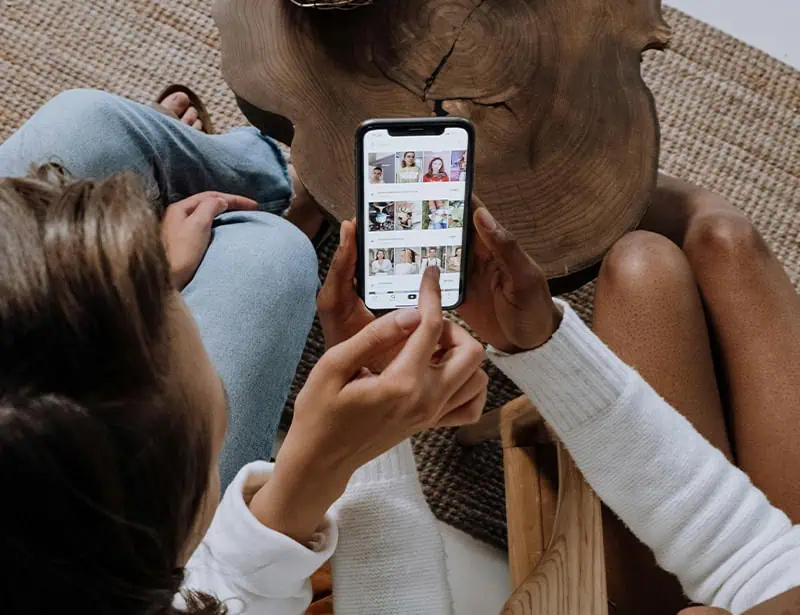
- Enroll in online courses that provide comprehensive knowledge to critically assess and use information in different media forms.
- Use library resources such as workshops dedicated to media and information literacy. Librarians can guide you toward relevant books, articles, and digital resources.
- Participate in webinars and workshops on media and information literacy. These sessions, like a youth agenda forum, can provide hands-on experience and allow individuals to interact with experts in the field.
- Follow reputable news sources to improve your ability to discern fact from opinion, identify bias, and understand the context of information presented in the media.
- Use fact-checking websites such as Snopes, FactCheck.org, and PolitiFact to verify the accuracy of information.
Brief Timeline of Global Media and Information Literacy Week
The United Nations Educational, Scientific and Cultural Organization (UNESCO) introduced the concept of Media and Information Literacy (MIL) as a merged concept.
The first Global MIL Week was celebrated.
The first global framework for MIL, the Moscow Declaration on Media and Information Literacy, was adopted in Moscow, Russia.
The Global Alliance for Partnerships on Media and Information Literacy (GAPMIL) was held during the first Global Forum for Partnerships on MIL. Today, the group is known as the UNESCO Media and Information Literacy Alliance.
The Global MIL Week featured the role of cities and citizens, among other worldwide stakeholders, in the digital age.
Global MIL Week emphasized the importance of MIL in combating the spread of misinformation in the global community, particularly in the COVID-19 pandemic.
Global Media and Information Literacy Week Themes and Hashtags
| October 24-31, 2020 | Resisting the Disinfodemic: Media and Information Literacy for and by Everyone |
| October 24-31, 2021 | Media and Information Literacy for the Public Good |
| October 24-31, 2022 | Nurturing Trust: A Media and Information Literacy Imperative |
| October 24-31, 2023 | Media and Information Literacy in Digital Spaces: A Collective Global Agenda |
| October 24-31, 2024 | The New Digital Frontiers of Information: Media and Information Literacy for Public Interest Information |
- #GlobalMILWeek
- #MILClicks
- #MediaLiteracy
- #InfoLit
- #DigitalCitizenship
Conclusion
Global Media and Information Literacy Week emphasizes the critical skills to interpret and evaluate information from all sources. Let us responsibly navigate the media landscape and contribute content wisely despite widespread misinformation.
Resources:
FAQs (Frequently Asked Questions)
Information and media literacy (IML) combines information and media literacy to enable people to make informed judgments as users and creators of information and media messages.
Every October 24 to 31, it promotes critical thinking, media literacy, and ethical information use.
Attend events, workshops, and webinars; share information on social media; and promote media literacy in your community.
It can help combat misinformation, improve digital literacy skills, and empower individuals to make informed decisions.
They can teach students how to analyze media messages critically, evaluate sources, and create responsible digital content.
Mike is a degree-qualified researcher and writer passionate about increasing global awareness about climate change and encouraging people to act collectively in resolving these issues.
Fact Checked By:
Isabela Sedano, BEng.