
National Roof Over Your Head Day: Why It Matters

December 3rd brings National Roof Over Your Head Day. This timing builds on Thanksgiving gratitude while winter approaches.
Most people rarely think about their shelter daily. But this awareness day changes that perspective.
It connects personal thankfulness with America's housing reality, where 771,480 people lack basic shelter. The day works because it's practical: you appreciate what you have, then act on what others need.
Key Info: National Roof Over Your Head Day
- When is National Roof Over Your Head Day?
Occurs annually on the 3rd of December - This Year (2026):
Thursday, December 3, 2026 -
Future Dates
- Friday, December 3, 2027
- Sunday, December 3, 2028
- Monday, December 3, 2029
-
Additional Details
- Observed By: Individuals, communities, and housing-focused organizations in the United States
- Where Is It Observed: United States
- Primary Theme: Housing Security and Gratitude
- Hashtags: #NationalRoofOverYourHeadDay #HousingSecurity #Homelessness #Shelter #Gratitude #HousingAwareness
Quick Links: National Roof Over Your Head Day
Why This Day Transforms Perspective on Housing Security

Housing security shapes everything, though we rarely notice. Your morning routine depends on running water, heat, and doors that lock.
When winter hits hard, these basics become life-or-death needs. National Roof Over Your Head Day connects your comfort with their survival.
Most Americans take shelter for granted. Why wouldn't they?
The system generally works for homeowners and stable renters. But nearly 150,000 children experience homelessness right now, with family homelessness surging 39.4 percent.
Does your evening routine include housing appreciation? Beyond this awareness, the day pushes for real action. Personal reflection can't stay personal forever.
Community problems need community solutions.
Housing Reality Check - The Numbers Behind the Need
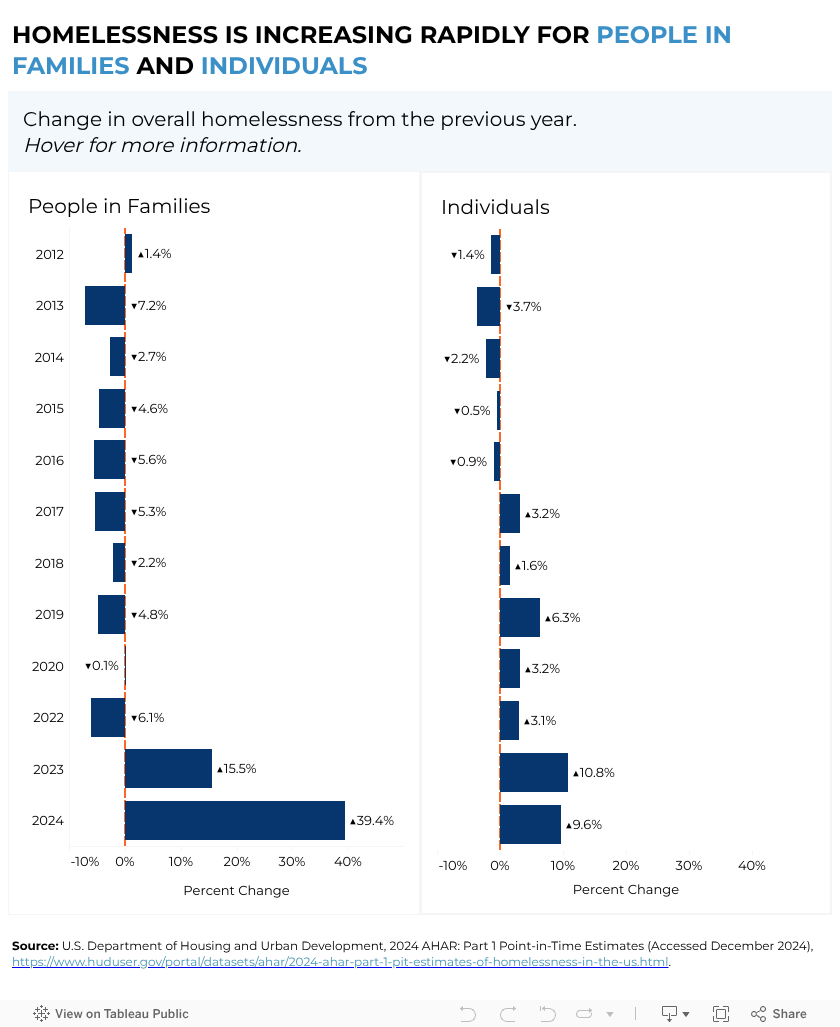
America's housing shortage hits record levels today. The January count found 771,480 people experiencing homelessness. That's not just a statistic—it's nearly three-quarters of a million individual stories.
The math gets worse when you dig deeper. The nation lacks 7.2 million affordable rental homes for extremely low-income households. Translation: only 35 affordable units exist per 100 families who desperately need them.
Communities of color are more likely to be homeless since they are above the national average in renting households. Half of Black American renters receive eviction filings even though they only represent 1 in 5 renters in the USA.
The disparity points to deeper systemic issues that won't fix themselves.
Creative Ways to Honor National Roof Over Your Head Day

- Shadow your shelter routine - Walk through your home, noting heating, running water, and secure locks. Others lack these basics.
- Create winter survival kits - Pack thermal socks, hand warmers, and waterproof gloves. Distribute through local organizations.
- Host housing story gatherings - Share childhood home memories while collecting donations for housing groups.
- Volunteer at shelters - Join legitimate homeless shelter volunteer programs. December evening shifts need extra help.
- Organize furnishing drives - Collect household items for people transitioning from shelters to permanent housing.
- Start monthly housing funds - Begin automatic donations on December 3rd; consistency matters more than amount.
- Use social media wisely - Share real homelessness statistics with #RoofOverYourHead hashtags.
- Inform yourself about the homelessness issue - Housing advocate Aaron Carr from the Housing Rights Initiative emphasizes tracking rent costs to understand the drivers of homelessness.
Core Messages That Define This Movement
Housing appreciation anchors everything here. Gratitude that actually transforms into community support, not just warm feelings.
This relates to social responsibility beyond single-day awareness. Individual reflection motivates real advocacy engagement—the kind that lasts past December.
The movement emphasizes solutions over problems. Connection over separation.
Community solidarity emerges when people understand housing challenges can generate progress for everyone eventually.
But sustainable support requires consistent volunteer partnerships, not charity bursts.
Extending Your Effects Beyond December 3rd
Housing advocacy can't survive on awareness days alone. December momentum works only when it creates lasting engagement patterns.
Monthly shelter commitments prove most helpful for organizations planning resources. Regular donation schedules, even small ones, beat large one-time gifts for operational stability.
In practice, policy advocacy amplifies individual effects considerably. But sustained community relationships create lasting change. Awareness events don't.
Connect with local housing organizations. They'll show you what works and what doesn't.
Year-round involvement transforms December awareness into permanent advocacy habits.
If you want to fight for a similar cause, save the date for National Hunger and Homelessness Awareness Week.
Resources:
FAQs (Frequently Asked Questions)
Nobody knows who started National Roof Over Your Head Day. This isn't like other awareness days where some nonprofit or celebrity gets the credit. Research shows the day just appeared in the awareness calendar without anyone claiming ownership. What we do know? The purpose stayed consistent—getting people to appreciate having shelter and think about homelessness. This mystery origin is pretty common with grassroots awareness days. They catch on because communities adopt them, not because someone made an official announcement.
December 3rd makes sense for several reasons. Winter hits hard in early December—heating bills spike and sleeping outside becomes life-threatening. The date also happens to be International Day of Persons with Disabilities, though the housing focus stays separate. Beyond this, December timing works because people give more during the holidays. Charitable donations peak this month, so housing causes get more attention. The urgency is real—winter shelter isn't something you can put off until spring.
It's just an awareness day. No government backing, no federal recognition, no official sponsor organization. You'll see it on national day calendars, but that's community recognition, not legislative action. This unofficial status actually helps—communities can adapt how they observe it without following formal guidelines. Want to do a food drive? Great. Prefer volunteering at shelters? Also great. The flexibility lets people respond to their local housing needs.
Track specific actions, not feelings. Count dollars donated, volunteer hours logged, items collected for shelters, or advocacy actions taken. Local housing groups can tell you if your help actually mattered. But here's the thing—one-day participation rarely moves anything. Real impact comes from commitments you start December 3rd and keep all year. Monthly shelter volunteering, recurring donations, joining housing advocacy groups. Those create measurable community benefit that goes beyond a single day of awareness.
The gratitude angle sets it apart. Most homeless awareness focuses on the crisis itself. This day starts with housed people appreciating their own shelter security first. That personal connection creates emotional investment that pure awareness campaigns miss. The December timing also matters—winter survival urgency beats abstract social issue discussions. Plus, the day pushes immediate action like shelter volunteering and winter supply drives rather than long-term policy talks. Though both approaches work together, this one gets people moving right now.
Barbara is a former journalist who is passionate about translating important causes into engaging narratives. She combines communication expertise with an environmental science background to create accessible, fact-driven content.
