
World Immunization Week: Protecting Communities Through Vaccines

World Immunization Week runs April 24-30 each year. WHO set this up in 2012, but regional vaccination campaigns were already happening. The week tackles vaccination gaps head-on. Healthcare systems and communities use these seven days to push global immunity. As the saying goes, prevention is better than cure.
Key Info: World Immunization Week
- When is World Immunization Week?
Occurs in the last week of April - This Year (2026):
Monday 20th - Sunday 26th April 2026 (date has passed) - Official Website: WHO World Immunization Week
-
Future Dates
- Monday 19th - Sunday 25th April 2027
- Monday 24th - Sunday 30th April 2028
- Monday 23rd - Sunday 29th April 2029
- Monday 22nd - Sunday 28th April 2030
-
Additional Details
- Observed By: WHO member states, healthcare organizations, medical professionals, and communities worldwide
- Where Is It Observed: International
- Primary Theme: Public Health and Disease Prevention
- Hashtags: #WorldImmunizationWeek #VaccinesWork #ImmunizationForAll #GetVaccinated #VaccineEquity
Quick Links: World Immunization Week
Why World Immunization Week Matters
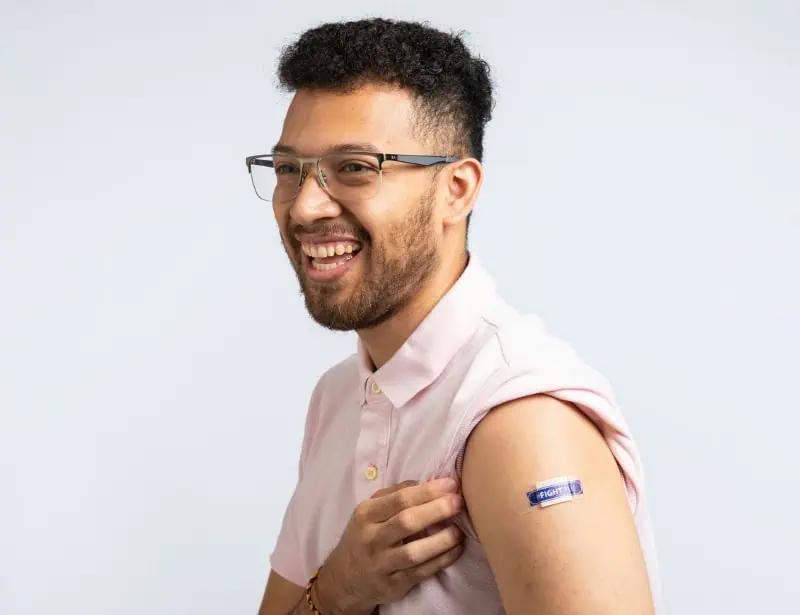
Disease prevention works. We're talking massive scale here. WHO says global immunization efforts prevented 154 million deaths over fifty years. Measles vaccination alone accounts for 94 million lives saved. Those numbers point to something critical about pract protect strategies.
But vaccine hesitancy threatens this progress. Some regions show declining confidence in routine immunizations.
Universal access remains pretty elusive in developing countries. Zero-dose children number 14.3 million globally. That's kids getting no vaccines at all.
The week connects personal choices to collective outcomes. Individual vaccination decisions determine entire community health. What happens when your neighbor skips their kid's shots? Everyone feels that effect.
Campaign Evolution and Milestones
WHO Director-General Dr. Tedros Adhanom Ghebreyesus called vaccines "among the most powerful inventions in history." This perspective shaped how scattered regional efforts became coordinated global action.
Timeline shifts tell the story:
WHO establishes World Immunization Week, consolidating regional initiatives
COVID-19 pandemic highlights vaccine importance globally
"The Big Catch Up" theme addresses pandemic-related delays
"Immunization for All is Humanly Possible" emphasizes equity focus
Each milestone reflects growing awareness. Vaccination isn't optional healthcare. It's fundamental infrastructure that shapes community health outcomes.
How Organizations and Communities Participate

Healthcare providers are orchestrating targeted outreach this week. Organizations worldwide deploy eight core strategies:
- Mobile vaccination clinics reach underserved areas, combining immunizations with basic health screenings.
- School programs engage children through hands-on vaccine science demonstrations.
- Community health fairs integrate immunization services with preventive care.
- Faith partnerships leverage trusted religious leaders to address concerns through culturally responsive dialogue.
- Workplace drives provide convenient family access during business hours.
- Provider training updates clinical teams on the latest recommendations.
- Multi-language campaigns ensure materials reach diverse populations through accessible formats.
- Social media storytelling shares content using official hashtags while highlighting local wins.
UNICEF Executive Director Catherine Russell emphasizes that routine vaccines represent "a child's first entry into their health system." This drives community participation beyond simple vaccine delivery toward comprehensive health engagement.
In practice, regional variations reflect local needs. Urban programs optimize clinic efficiency. Rural initiatives prioritize mobile services and community partnerships. Both approaches aim for better protection for communities.
Visual Identity and Official Messaging Framework
WHO's brand architecture gives organizations scientifically-backed communication tools. The primary hashtag #WorldImmunizationWeek anchors global social media coordination.
Official color palettes use blues and greens that build trust across cultures.
Since 2012, annual theme integration follows established messaging pillars. Vaccine safety information addresses concerns through transparent data presentation. Scientific facts anchor every communication piece. Emotional appeals support but never replace factual foundations.
Organizations access downloadable toolkits containing approved graphics, social media templates, and presentation materials. Brand consistency amplifies recognition while regional adaptations maintain cultural relevance.
And community protection messaging? It resonates universally while respecting local communication preferences.
World Immunization Week changes its core message annually. Here are the latest themes:
| 2026 | For Every Generation, Vaccines Work |
| 2025 | Immunization for All is Humanly Possible |
| 2024 | Humanly Possible: Immunization for All |
| 2023 | The Big Catch-Up |
| 2022 | Long Life for All |
Sustaining Effects Beyond the Week
Vaccination schedules demand year-round attention beyond April's concentrated push. Healthcare providers maintain updated immunization recommendations through regular community outreach.
Parents need accessible guidance about childhood vaccine timelines, while adults frequently skip routine boosters.
The week ignites momentum; sustained engagement produces transformative health outcomes. Community advocacy extends through ongoing partnerships between medical professionals, schools, and local organizations.
This suggests something worth remembering. Preventive care visits throughout the year provide natural opportunities for catch-up vaccinations and health education.
Public health systems thrive on consistent messaging rather than periodic awareness bursts.
That's what creates lasting change.
If you are in the USA, add this day to your calendar to push the benefits of vaccines: National Immunization Awareness Month.
Resources:
FAQs (Frequently Asked Questions)
Research from the National Center for Biotechnology Information found 631 different indicators used across 20 monitoring tools to check how well immunization programs work worldwide. These track everything from basic shot coverage to staff numbers and supply systems. When running regional vaccination weeks, the Pan American Health Organization uses detailed tracking methods. They look at rates in high-risk groups, how many health workers take part, community involvement, and how vaccination connects with other health services. This approach lets health officials see both the immediate effect of vaccination drives and the longer-term strengthening of immunization systems.
Beyond this, people can take practical steps to back vaccination efforts. Share fact-based vaccine information on social media with #WorldImmunizationWeek. Volunteer at local shot clinics when they need extra hands. Contact your representatives about making vaccines available to everyone. Support groups that fund vaccination programs in countries with limited resources. And help neighbors who need rides to their vaccination appointments. These small actions create clear connections between community members and public health goals.
Digital tools track vaccination coverage in real time and point to areas where people aren't getting shots, according to Johns Hopkins University's Center for Global Digital Health Innovation. Since 2018, these systems have improved fairness in who gets vaccinated through better patient records and supply management. Research published in PubMed Central shows this tech also helps spot disease outbreaks early. The practical protection comes from making the whole process smoother – healthcare workers spend less time on paperwork, and patients find it easier to get their shots when and where they need them.
Communities see real financial returns from widespread vaccination. Health economics journals report investment returns up to 44 times what was spent, with billions saved in out-of-pocket medical costs. Johns Hopkins found that routine shots reduce a family's chance of financial disaster from serious illness. Studies in countries with lower incomes show universal vaccine coverage would prevent over 12 million cases where health costs would otherwise push families into poverty. This suggests broader gains too – kids miss school less, workers take fewer sick days, and the whole healthcare system faces a lighter load over time.
Schools and workplaces team up in several ways during this health event. They often set up vaccination clinics together, sharing space and resources. Teachers work vaccine science into their lessons, helping students understand the facts behind immunization. Meanwhile, companies do their part by giving workers paid time off for getting shots. This relationship between education and business creates general progress toward healthier communities. When organizations from different sectors join forces, they reach more people than either could alone.
Barbara is a former journalist who is passionate about translating important causes into engaging narratives. She combines communication expertise with an environmental science background to create accessible, fact-driven content.
