
World Hypertension Day: Know Your Numbers, Protect Your Health

Every May 17, World Hypertension Day puts blood pressure back in the spotlight. The World Hypertension League started this health observance in 2005 to tackle a widespread problem. Knowing your blood pressure numbers can save your life. And early detection makes all the difference when preventing serious complications.
Since 1990, the number of adults with hypertension has doubled, now affecting over 1.3 billion people worldwide. The condition earns its reputation as the "silent killer" because many people don't feel symptoms until damage has already occurred. This makes May 17 an essential reminder for action.
Key Info: World Hypertension Day
- When is World Hypertension Day?
Occurs annually on the 17th of May - This Year (2026):
Sunday, May 17, 2026 (date has passed) - Official Website: World Hypertension League
-
Future Dates
- Monday, May 17, 2027
- Wednesday, May 17, 2028
- Thursday, May 17, 2029
- Friday, May 17, 2030
-
Additional Details
- Observed By: Healthcare organizations, medical professionals, and public health agencies worldwide
- Where Is It Observed: International
- Primary Theme: Blood Pressure Awareness and Control
- Hashtags: #WorldHypertensionDay #KnowYourNumbers #HighBloodPressure #WHD2024 #Hypertension
Quick Links: World Hypertension Day
Why World Hypertension Day Matters
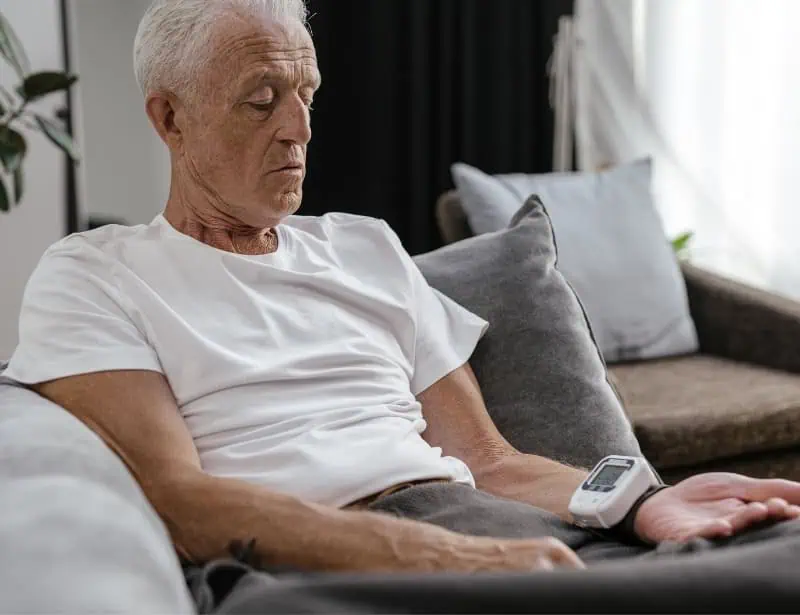
High blood pressure damages organs without obvious warning signs. World Hypertension Day helps bridge this awareness gap through coordinated education efforts. WHO reports nearly half of people with high blood pressure don't even know they have it. This lack of knowledge leads to preventable health problems.
When did you last check your blood pressure numbers? Most people can't answer this simple question. Public health initiatives, especially those targeting underserved communities, gain real momentum through this yearly observance. Free screenings identify hidden cases. Plain-language materials explain treatment options.
Beyond this, World Hypertension Day connects with WHO's Global Hearts Initiative, which extends its reach across continents. Past campaigns have shown measurable improvements in detection rates. Each year brings fresh approaches to this persistent health challenge.
The day's ongoing importance was reinforced by Dr. Tedros Adhanom Ghebreyesus, WHO Director-General, who stated that "hypertension control programmes remain neglected, under-prioritized and vastly underfunded". His assessment shows why we still need this focused attention.
How World Hypertension Day Developed
The World Hypertension League held the first observance back in 2005. They picked May 14 at first, then shifted permanently to May 17 the following year. Various international health groups gradually joined the effort.
Those early campaigns stuck to basic awareness goals. They focused heavily on detection methods. Medical professionals did most of the messaging. The general public wasn't very involved during these first years.
Since 2013, partnership with WHO has given the day much more visibility. This official backing brought increased credibility. Healthcare systems started including the day in their yearly planning. Community groups found new ways to reach people who might otherwise fall through the cracks.
The 2018 connection with the Global Hearts Initiative marked a turning point. Resources reached previously overlooked regions. Clear, consistent messaging helped diverse populations understand the risks; measurement tools showed positive trends in awareness.
Digital approaches transformed everything in 2021. The pandemic forced creative solutions when in-person events weren't possible. Social media engagement shot up that year. Virtual platforms quickly replaced traditional gatherings.
For 2024, the focus on measurement accuracy addresses a practical need. Using proper technique makes a real difference in treatment outcomes.
Timeline and Themes
World Hypertension League launched the first World Hypertension Day on May 14, focusing on awareness of high blood pressure
Annual themes started. Treat to Goal emphasized achieving recommended blood pressure targets and improving hypertension control
Healthy Diet, Healthy Blood Pressure promoted healthier eating as a way to prevent and manage hypertension; participation expanded to 47 countries
Measure Your Blood Pressure at Home highlighted home monitoring and continued international expansion of hypertension awareness efforts
Salt and High Blood Pressure: Two Silent Killers highlighted excessive salt intake as a major contributor to hypertension
Healthy Weight, Healthy Blood Pressure emphasized the relationship between excess weight, obesity, and elevated blood pressure
Know Your Numbers and Target Your Blood Pressure encouraged regular measurement and achieving appropriate blood pressure targets
Healthy Lifestyle, Healthy Blood Pressure promoted physical activity, healthy eating, and other lifestyle measures to prevent hypertension
Healthy Heart Beat, Healthy Blood Pressure connected healthy cardiovascular function with prevention and control of hypertension
Know Your Blood Pressure encouraged people to measure their blood pressure and recognize hypertension as a preventable health risk
Know Your Blood Pressure continued the campaign's emphasis on awareness, measurement, prevention, and control
Know Your Blood Pressure continued efforts to improve awareness and encourage regular blood pressure measurement
Know Your Blood Pressure reinforced early detection and regular measurement as essential steps in controlling hypertension
Know Your Numbers focused on increasing global awareness by encouraging people to know their blood pressure readings
Know Your Numbers continued the global push for blood pressure awareness, measurement, prevention, and control
Measure Your Blood Pressure, Control It, Live Longer emphasized accurate measurement; COVID-19 led PAHO to defer its observance event to October
Measure Your Blood Pressure Accurately, Control It, Live Longer emphasized accurate measurement and strengthened hypertension control through HEARTS initiatives
Measure Your Blood Pressure Accurately, Control It, Live Longer highlighted accurate measurement, better diagnosis, and improved hypertension treatment
Measure Your Blood Pressure Accurately, Control It, Live Longer emphasized validated measurement devices, detection, treatment, and long-term blood pressure control
Measure Your Blood Pressure Accurately, Control It, Live Longer continued the global focus on accurate measurement and effective hypertension control
World Hypertension Day marked its 20th anniversary, continuing the focus on accurate measurement, blood pressure control, and longer lives
Controlling Hypertension Together encouraged regular blood pressure checks and coordinated action to improve hypertension detection, treatment, and control
How People Get Involved

Healthcare organizations drive much of the day's impact. Hospitals offer free screenings throughout May. Clinics train staff on standardized measurement techniques. Doctors develop easy-to-understand resources. Patient tracking helps identify who needs follow-up care.
Community groups bring these messages directly to neighborhoods. Churches host welcoming screening events. Libraries put up displays where people will see them. Senior centers provide convenient places to check blood pressure.
Adapting messages to fit cultural contexts increases their effect. Day after day, these small outreach efforts build protection for communities most at risk.
In practice, employers find multiple ways to promote healthy blood pressure:
- Setting up screening stations at work
- Hosting informative lunch talks in casual settings
- Offering health incentives for regular monitoring
- Creating walking groups that make exercise social
Individuals spread awareness through personal connections too. Sharing with #WorldHypertensionDay extends the reach. Personal stories often convince hesitant friends to get checked.
Family health discussions can motivate relatives to take action. Home monitoring builds healthy habits that last.
Virtual options make participation possible regardless of where someone lives. Mobile apps track readings with surprising accuracy. Online communities provide support through shared experiences. Webinars bring expert advice directly to people's homes.
Global Impact and Regional Differences
World Hypertension Day creates measurable health improvements beyond general awareness. Campaigns translate directly to action as more people get screened.
Different regions adapt the messages to address their unique challenges. For example, India's Hypertension Control Initiative aims to cut missed follow-ups using digital tracking tools.
Areas with fewer resources develop clever approaches despite limitations. Shifting some tasks to non-physician healthcare workers expands capacity where doctors are scarce. Community health workers making simple home visits achieve 74.9% follow-up adherence in places where traditional methods haven't worked.
The differences between city and rural areas require targeted strategies. Research shows 30.5% urban prevalence compared to 27.9% in rural areas across lower-middle-income countries.
Looking Forward
World Hypertension Day continues to evolve as a catalyst for change. Its influence extends well beyond a single date in May. Prevention awareness grows year-round through ongoing efforts.
Mark your calendar for local events this year. Health departments coordinate accessible activities. Community centers welcome visitors for screening events. Online resources provide guidance whenever you need it.
Future directions point toward more personalized approaches using digital tools. Remote monitoring technologies extend healthcare reach to underserved areas. Data analysis improves treatment accuracy. One-size-fits-all advice is gradually giving way to customized recommendations.
Taking your blood pressure today might change your health trajectory completely. Small actions prevent major heart problems. This simple step saves lives.
Take care of your cardiovascular system further by joining Check Your Blood Pressure Day and American Heart Month.
Resources:
FAQs (Frequently Asked Questions)
Taking blood pressure the right way gets better results at screenings. WHO doctors stress resting first and skipping coffee beforehand. The International Society of Hypertension backs this up, noting these steps help catch cases that might otherwise slip through. This matters because accurate readings let health workers identify who needs follow-up care. The difference between good and poor technique shows up clearly in screening statistics.
The World Hypertension League backs their RTSL Toolkit for anyone running blood pressure programs. They've also published a design guide for digital tools meant for long-term treatment. Both resources appear in their 2025 campaign materials. These tools work well for virtual events because they help doctors track patients from a distance. Teams can coordinate care more smoothly with these resources than with paper systems.
Success comes down to numbers that tell the real story. Organizations should track how many people get screened and then how many show up for follow-ups. Social media stats offer another useful metric. Beyond this, local blood pressure improvements over time matter most. The real test isn't just day-of participation—what happens 3-6 months later shows whether the effort made a difference.
Providers find everything they need on two main sites. The World Hypertension League's portal offers measurement guides and training courses updated yearly. Since 2020, PAHO has supplemented these with their HEARTS technical packages. These include ready-to-use protocols that doctors can adapt to local needs. Both organizations align their materials with global blood pressure targets, and neither requires payment for access.
Success varies based on government commitment and local healthcare setup. Regions using WHO technical packages like SEAHEARTS get better results through practical salt reduction efforts. Uganda stands out for its approach. The World Heart Federation reports their stakeholder meetings brought together groups that normally work separately. When governments track specific targets and fold blood pressure work into existing systems, communities see real health gains. This suggests accountability drives progress more than just awareness.
Barbara is a former journalist who is passionate about translating important causes into engaging narratives. She combines communication expertise with an environmental science background to create accessible, fact-driven content.
