
Wiggle Your Toes Day: Your Complete Celebration Guide

Wiggle Your Toes Day celebrates something wonderfully simple. August 6th brings this whimsical observance that Jace Shoemaker-Galloway created back in 2013. The freelance writer and holiday enthusiast designed this day to honor basic body functions—through playful awareness, no less.
Peak August heat means people wear open-toed shoes more often. Bare feet touch grass.
Social media spreads the joy using #WiggleYourToesDay; what started as one person's creative idea now connects communities worldwide.
Key Info: National Wiggle Your Toes Day
- When is National Wiggle Your Toes Day?
Occurs annually on the 6th of August - This Year (2026):
Thursday, August 6, 2026 (date has passed) -
Future Dates
- Friday, August 6, 2027
- Sunday, August 6, 2028
- Monday, August 6, 2029
- Tuesday, August 6, 2030
-
Additional Details
- Observed By: General public, social media participants, and foot health enthusiasts
- Where Is It Observed: United States
- Primary Theme: Foot Health Awareness Through Playful Activity
- Hashtags: #WiggleYourToesDay #ToeWiggle #FootHealth #NationalWiggleYourToesDay
Quick Links: Wiggle Your Toes Day
Why Wiggle Your Toes Day Matters
Your feet work hard carrying you through life. Twenty-six bones support your entire body weight daily. This observance promotes gratitude for these overlooked body parts through mindful movement.
Toe wiggling creates unexpected wellness moments. The simple act encourages blood circulation throughout your feet. In physical therapy, protocols include toe mobility exercises because movement helps prevent stiffness.
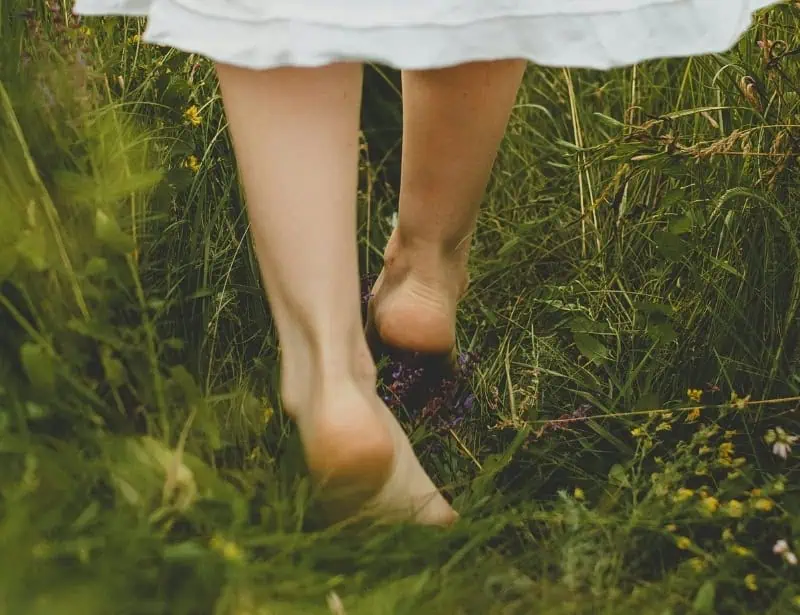
Beyond wiggling, the day encourages going barefoot and pampering them.
Does appreciating basic body functions seem trivial? Shared activities build social connections that go beyond age barriers. Simple pleasures deserve recognition in our hurried world.
Key Event Details and History
In 2013, Jace Shoemaker-Galloway founded this celebration with clear motivation. The humorist wanted people to appreciate basic body functions through playful awareness. August 6th provides the fixed annual date. Community enthusiasm drives general progress.
Participation has expanded from United States origins through global social media engagement. The informal structure allows flexible participation methods.
Ways to Celebrate Wiggle Your Toes Day
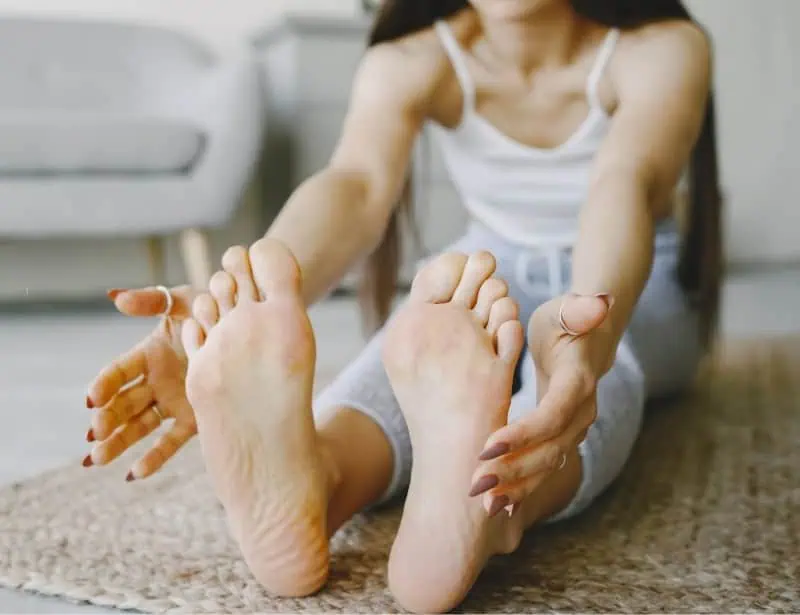
- Morning toe routine works well. Five minutes of deliberate movement while still in bed gets things started.
- Workplace team challenges boost circulation and morale through office-wide wiggling breaks. Fight desk fatigue!
- Social media sharing documents your wiggling using #WiggleYourToesDay.
- Family barefoot adventures encourage natural toe movement during outdoor exploration sessions.
- Community gatherings in local parks let groups practice exercises together.
- Educational content sharing combines foot health facts with celebration posts.
- Creative documentation captures artistic toe wiggling photography in interesting locations.
Making Your Wiggle Your Toes Day Celebration Count
Mark August 6th on your calendar immediately. Include wiggling toes multiple times throughout each day in your foot care routine to promote blood circulation. Encourage your family and workmates!
For more wellness events, save Global Wellness Day and Global Running Day in your calendars.
Resources:
FAQs (Frequently Asked Questions)
Toe wiggling builds balance and strength - people who do it regularly can stand longer on one leg and grip better with their toes. When combined with foot exercises, it reduces pain from conditions like hallux valgus. This practice also helps prevent bunions by keeping toes properly aligned. What's surprising about this simple exercise? The effects extend beyond just the toes themselves. Beyond this, podiatrists note that patients who maintain toe mobility often report fewer foot complaints overall. Since 2018, foot specialists have started recommending daily toe exercises as part of routine foot care.
Toe wiggling works through two muscle groups. Leg-based muscles (extrinsic) include the FHL and EHL that control big toe movement, while the FDL and EDL manage the smaller toes. The foot itself contains intrinsic muscles - the FDB, interossei, and lumbricals - that handle finer movements like spreading toes apart. Have you ever wondered why some toes are harder to move than others? People differ in their toe mobility because of anatomical variations. Some folks have missing or thinner tendons in their fourth and fifth toes, which explains why wiggling the pinky toe can be tough for many. This relates to why targeted exercises can improve toe function over time.
Research doesn't point to specific traditional practices centered on toe exercises. Modern approaches like resistance band training studied at Victoria University and clinical foot-strengthening programs show clear benefits for balance and fall prevention. Dr. Karen Mickle developed specialized routines for older adults that focus on toe strength. Should we be surprised that toe exercises aren't part of cultural traditions? Today's fitness programs include toe splays and big toe presses based on evidence rather than cultural traditions. And while these methods work well, they represent contemporary health practices rather than ancient wisdom about toe care.
Studies on toe wiggling itself are scarce, but research on similar movements offers clues about stress relief. Toe-tapping increases blood flow in arteries, which may ease tension. Therapeutic shaking that includes foot movements helps release stress hormones like cortisol by activating the nervous system. How exactly does this affect our bodies? In practice, even small movements affect our stress response. When people fidget with their feet during stressful situations, their bodies often show measurable changes in tension levels. This suggests that simple toe wiggling might serve as a practical protection against daily stress buildup.
Barbara is a former journalist who is passionate about translating important causes into engaging narratives. She combines communication expertise with an environmental science background to create accessible, fact-driven content.
