
National Thank You Note Day Ideas & Etiquette Tips

Thank-you notes hit different when they're handwritten. National Thank You Note Day lands on December 26th, right when you're drowning in Christmas gratitude but don't know where to start.
Someone created this observance to tackle post-holiday appreciation overload. The timing makes sense. You just opened gifts, enjoyed family meals, experienced seasonal kindness. Now what?
Key Info: National Thank You Note Day
- When is National Thank You Note Day?
Occurs annually on the 26th of December - This Year (2026):
Saturday, December 26, 2026 -
Future Dates
- Sunday, December 26, 2027
- Tuesday, December 26, 2028
- Wednesday, December 26, 2029
-
Additional Details
- Observed By: General public in the United States, particularly those acknowledging holiday gifts
- Where Is It Observed: United States
- Primary Theme: Gratitude and Written Communication
- Hashtags: #NationalThankYouNoteDay #ThankYouNote #Gratitude #HandwrittenNotes #ThankYou #WrittenCommunication #PostChristmasGratitude
Quick Links: National Thank You Note Day
The Mystery Behind the Day
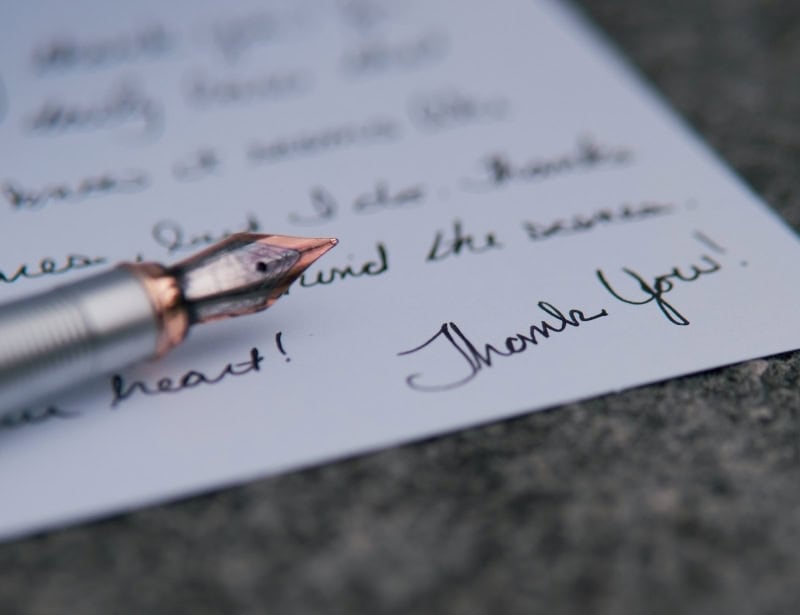
Nobody knows who started National Thank You Note Day. The National Day Calendar keeps asking for the original founder to step forward. Radio silence.
This mystery actually makes the day more interesting. Someone launched a perfectly timed gratitude tradition, then vanished from the record books entirely. Their anonymous creation keeps growing each year across the United States.
Beyond this, the December 26th timing shows smart planning. Why wait weeks to thank people when Christmas memories are fresh, and gratitude feels natural?
Why Handwritten Notes Pack More Punch
Research using brain imaging reveals handwritten notes activate more brain areas than typing does. The motor, sensory, and cognitive processing creates stronger memory formation compared to digital messages.
For businesses, a study of 1,232 customers of an online beauty retailer found that handwritten photocopied thank-you notes doubled future spending to $52.07 versus $25.97. Machine-written notes? Zero improvement over no notes at all.
Handwritten communication carries weight that digital messages simply can't match. Recipients see pen-and-paper gratitude as more sincere than typed messages. In our digital world, handwriting stands out.
Professor Amit Kumar at the University of Texas found that people consistently underestimate how much recipients appreciate expressions of gratitude. This "gratitude gap" means your notes probably create more joy than you expect.
Getting the Timing Right
December 26th captures gratitude while Christmas experiences remain vivid. This approach differs from general appreciation days because it focuses specifically on recent holiday interactions through written notes.
Today's shift toward digital communication makes handwritten notes increasingly powerful. Recipients connect these tangible expressions directly to shared experiences while memories stay fresh.
Simple Ways to Celebrate

Transform post-Christmas appreciation into action through these methods:
- Write Christmas gift acknowledgments within 48 hours
- Thank holiday hosts who opened their homes
- Send notes to teachers recognizing their yearly impact
- Acknowledge essential workers who worked during holidays
- Express gratitude to family members for holiday efforts
- Reach out to distant friends, sharing specific memories from recent connections
Framework That Works
In practice, preparation maximizes your December 26th impact. Gather quality eco-friendly stationery, working pens, and recipient addresses before the day arrives. Make lists of gift-givers, hosts, and helpers who deserve acknowledgment.
Start with specific gift acknowledgment. Express how it made you feel or how it will be used. Close with forward-looking relationship appreciation. Most importantly, keep it genuine, not flowery.
Create momentum for meaningful year-round appreciation habits while celebrating society's most fundamental courtesy.
To show gratitude in other ways, celebrate International Thank You Day in January.
Resources:
FAQs (Frequently Asked Questions)
Get quality note cards, reliable pens, and stamps. Skip gel pens—they smudge. Plain cards work better than fancy ones most of the time. Having your supplies ready December 25th evening makes the 26th much easier. And stock up during post-holiday sales for next year.
Thank you notes work well beyond December 26th. The day just gives you a push to start writing. Two weeks for holiday gifts is good. One month for other things. Don't over-apologize—just say something like "I wanted you to know how much this meant." That's enough.
Make it work for each kid's age. Toddlers add stickers. Elementary kids write one sentence. What about teens? They can handle full notes. For pre-writers, let them talk while you write their words. Use fill-in-the-blank templates when kids are learning. Focus on saying thanks, not perfect writing.
December 26th timing makes the difference. You're riding that post-Christmas gratitude wave while memories stay fresh. This relates to why the date matters—waiting kills momentum. Regular thank you notes happen whenever. This day creates focus right after the year's biggest gift exchange.
Companies can set aside time for appreciation notes to colleagues, clients, or community partners. Some provide stationery for notes to healthcare workers or local businesses that helped during the year. Beyond this individual focus, group celebration builds teams while keeping the handwritten element. Just don't make participation mandatory.
Sources & References
- [1]
- Neuroscience studies on handwriting vs typing brain activation patterns (source)
↩ - [2]
- Systematic review and meta-analysis of gratitude interventions on mental health outcomes
↩ - [3]
- Kumar, A. & Epley, N. studies on systematic underestimation of gratitude expression effects
↩ - [4]
- Randomized controlled experiment examining impact of handwritten vs machine-written notes on customer behavior
↩
Barbara is a former journalist who is passionate about translating important causes into engaging narratives. She combines communication expertise with an environmental science background to create accessible, fact-driven content.