
National Aplastic Anemia And MDS Awareness Week Guide

National Aplastic Anemia and MDS Awareness Week runs March 1-6 each year. President Ronald Reagan established this observance through Proclamation 5580 in 1986. The Aplastic Anemia & MDS International Foundation leads organizing efforts today.
This six-day period focuses on rare blood disorders affecting bone marrow function. The timing differs from MDS World Awareness Day on October 25.
Key Info: National Aplastic Anemia and MDS Awareness Week
- When is National Aplastic Anemia and MDS Awareness Week?
Occurs annually starting on the 1st of March for a week - Official Website: Aplastic Anemia & MDS International Foundation
-
Future Dates
- Monday 1st - Sunday 7th March 2027
- Wednesday 1st - Tuesday 7th March 2028
- Thursday 1st - Wednesday 7th March 2029
- Friday 1st - Thursday 7th March 2030
-
Additional Details
- Observed By: Healthcare organizations, medical professionals, patient advocacy groups, and affected families in the United States
- Where Is It Observed: United States
- Primary Theme: Blood Disorder Awareness and Patient Support
- Hashtags: #AplasticAnemia #MDS #BloodDisorderAwareness #RareDisease #PatientSupport #AAMDSIF
Quick Links: National Aplastic Anemia and MDS Awareness Week
Why This Awareness Week Actually Matters
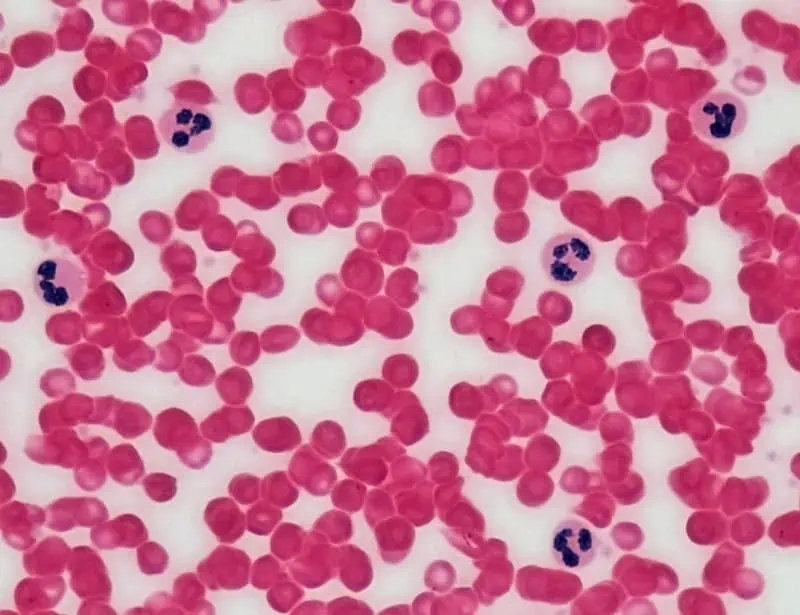
Healthcare education faces real gaps around rare blood disorders. Patients experience isolation during lengthy diagnostic journeys, sometimes lasting months. Presidential establishment signals national priority status beyond typical awareness campaigns.
But why does concentrated awareness outperform scattered efforts? Dr. Mikkael Sekeres' research reveals misdiagnoses occur 21% of the time in myelodysplastic syndromes and bone marrow failure conditions. Expert pathologists differed from local pathologists in twenty percent of cases. That's not a small problem.
Medical community engagement surges during March 1-6; doctors and clinics receive focused resources when attention peaks. This approach generates real change in clinical understanding.
The observance connects research institutions with practicing physicians nationwide. Community hospitals also participate alongside major medical centers, creating broader expertise sharing.
The Numbers Tell the Story
In the United States, at least 10,000 Americans have new diagnoses of myelodysplastic syndrome and 600-900 Americans have new diagnoses of aplastic anemia annually.
These numbers reveal growing recognition and improved diagnostics, but also show the scope of what we're dealing with. Medical institutions report increased continuing education attendance during March. Patient community reach grows through joint outreach efforts.
Modern five-year survival has increased tremendously with current treatments. This dramatic improvement contrasts with Reagan's era when aplastic anemia "led inexorably to death." Bottom line: awareness creates measurable community change.
Timeline
President Ronald Reagan establishes National Aplastic Anemia and MDS Awareness Week
AAMDSIF emerges as primary organizing foundation
Medical institutional participation expands nationally
March 1-6 consistent observance with growing medical community engagement
How Medical Professionals Lead This Week

Medical institutions implement proven approaches that distinguish professional observance from general campaigns. Doctors and nurses focus on clinical improvements and patient care advances. What does this look like in practice?
- Continuing Medical Education Programs - Specialized training on diagnostic standards and treatment protocols
- Patient Education Protocol Updates - Clinical teams refresh blood disorder resources, often discovering gaps they didn't know existed
- Community Screening Initiatives - Focused outreach for high-risk populations
- Interdisciplinary Case Reviews - Collaborative examination of complex diagnoses
- Clinical Research Participation - Promotion of ongoing studies and trials
- Professional Network Engagement - Specialist connections through conferences and direct consultation
- Diagnostic Accuracy Training - Pathology precision emphasis, addressing 21% error rate
- Patient Support Enhancement - Expanded resources for newly diagnosed individuals and their families
Community and Individual Action Steps
Real participation extends beyond social media sharing. AAMDSIF founder Bart Fisher, whose son Ivan died from aplastic anemia in 1982, created pathways for lasting change through the foundation.
Specific actions include attending March for Marrow walks, volunteering at blood disorder hospital units, and supporting genetic counseling awareness programs. Contact representatives about rare disease research funding.
Participate in local health fairs with educational materials. Though honestly, the hospital volunteering creates more direct change. Professional networks benefit from sponsoring continuing education programs. Monthly giving creates consistent patient service support.
Community organizations amplify awareness through health curriculum integration and support group facilitation.
Your Next Steps for Real Change
AAMDSIF provides immediate engagement resources and current research updates. March awareness launches year-round advocacy opportunities, but these require ongoing community support.
Transform March recognition into continuous rare disease support. Blood disorder education demands ongoing dedication. This creates momentum for lasting change beyond awareness campaigns.
Continue the blood disorder campaign by also joining International Thalassaemia Day and World Hemophilia Day.
Resources:
FAQs (Frequently Asked Questions)
No set timeline exists here. But once doctors suspect aplastic anemia or MDS, things need to move fast. The National Institutes of Health points to blood work, bone marrow biopsy, and genetic testing as standard steps. Your timeline depends on how quickly your medical team schedules these tests and gets results back. Some patients wait weeks. Others get answers in days.
Families face serious challenges with these conditions. You'll manage strict infection prevention at home. Multiple specialist appointments become routine. Treatment decisions get complex, and uncertainty weighs heavy. Many caregivers handle hygiene protocols that feel overwhelming at first. Financial planning matters since treatments often mean extended time off work. The Aplastic Anemia & MDS International Foundation shows that educated families improve patient outcomes. Support groups for caregivers run year-round, though awareness week activities often connect families to these resources for the first time.
Hospital expertise makes the difference here. The Aplastic Anemia and MDS International Foundation and NIH research points to academic teaching hospitals with dedicated blood specialists achieving better results. These centers stay current with new treatments. They also tailor care to individual patient needs more effectively. Beyond this, different immunosuppressive treatments produce similar overall results according to NIH clinical studies. But centers with hematologic expertise respond faster to treatment innovations and manage patient complications better.
These conditions work differently than leukemias and lymphomas that get more attention. Aplastic anemia involves bone marrow failure - healthy cell production stops entirely. MDS sits in the middle where bone marrow makes abnormal cells that don't function right. Leukemias and lymphomas involve abnormal cells multiplying rapidly. This explains why aplastic anemia often responds to immunosuppressive therapy rather than chemotherapy. MDS requires different strategies entirely. Understanding these differences helps patients ask better questions during medical visits.
research
Barbara is a former journalist who is passionate about translating important causes into engaging narratives. She combines communication expertise with an environmental science background to create accessible, fact-driven content.
