
Festival of Sleep Day: Why Rest Matters for Your Health

Festival of Sleep Day hits January 3rd every year. Perfect timing, really — your body desperately needs rest after the Christmas madness and New Year's chaos drain every ounce of energy. This unofficial holiday creates space for actual recovery; research shows people naturally sleep 15 to 25 minutes longer during winter months anyway[1].
Post-holiday fatigue affects millions through travel mess, schedule chaos, and endless social obligations. But here's the thing — this holiday honors what your body already knows when productivity culture demands you jump right back into January overdrive.
Key Info: Festival of Sleep Day
- When is Festival of Sleep Day?
Occurs annually on the 3rd of January - This Year (2026):
Saturday, January 3, 2026 (date has passed) -
Future Dates
- Sunday, January 3, 2027
- Monday, January 3, 2028
- Wednesday, January 3, 2029
- Thursday, January 3, 2030
-
Additional Details
- Observed By: Individuals seeking rest and relaxation, particularly those recovering from holiday activities
- Where Is It Observed: United States, United Kingdom
- Primary Theme: Sleep Health and Post-Holiday Recovery
- Hashtags: #FestivalOfSleepDay #SleepDay #RestAndRecovery #SleepHealth #PostHolidayRecovery #SleepWellness #January3rd
Quick Links: Festival of Sleep Day
Why This Holiday Actually Matters

Holiday seasons wreck sleep in multiple ways. New Year's Eve alone decreases sleep consistency by 13.8 percent and delays sleep onset by approximately 89 minutes.
Norwegian university research involving 45,202 students found each additional hour of evening screen use increased insomnia symptoms by 59 percent. January brings that intense productivity pressure when your body needs continued recovery.
This mismatch between what we need and what society expects creates widespread exhaustion — and this holiday offers counter-messaging that prioritizes restoration over ambition. Which makes sense.
Sleep regularity proves more important than duration for health outcomes. UK Biobank research tracking over 60,000 individuals found those with consistent sleep patterns showed 20 to 48 percent lower mortality risk[2].
Why shouldn't January third become your annual reset opportunity? According to National Sleep Foundation data, 88 percent of adults with good sleep satisfaction flourish across multiple life domains; only 47 percent of those with poor sleep do[3]. Recovery deserves intentional attention.
Festival Origins and What Makes It Different
The holiday emerged from grassroots recognition rather than official proclamation. The unknown founding reflects genuine need rather than marketing creation — and this organic development strengthens the observance through authentic community response.
The unofficial status allows flexible interpretation across communities in the United States and United Kingdom. Different regions develop unique celebration traditions without centralized oversight.
And this holiday distinguishes itself from World Sleep Day through specific post-holiday timing. National Napping Day addresses different needs during spring schedule transitions. January 3rd positioning gives intentional space between New Year resolutions and return-to-work demands.
The date acknowledges that real change requires adequate rest foundation.
How to Actually Celebrate
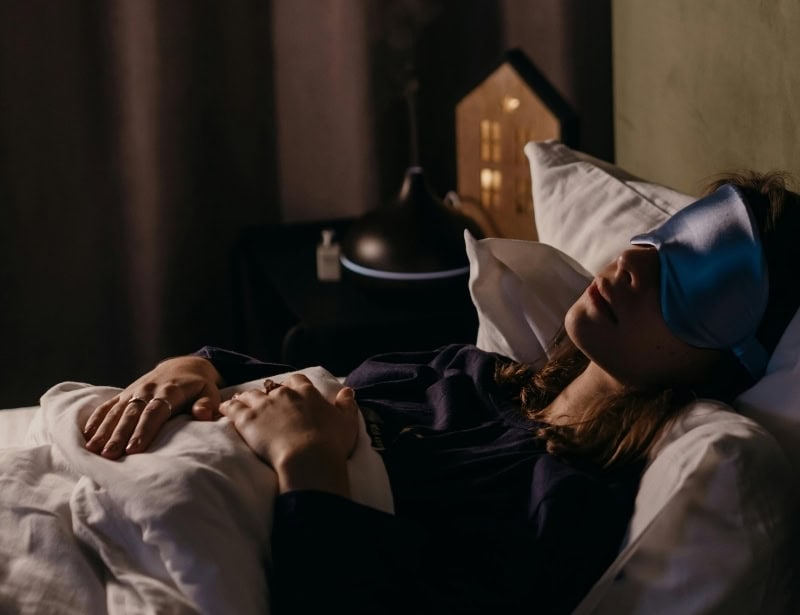
Celebration methods range from simple acknowledgment to full recovery rituals. Choose approaches that match your specific post-holiday needs.
- Extended sleep duration - Allow natural wake times without alarm clocks when possible
- Screen-free bedroom prep - Remove devices from sleep spaces starting January 2nd evening
- Comfort enhancement - Fresh bedding, optimal room temperature, favorite sleepwear
- Relaxation practice - Progressive muscle relaxation, breathing exercises, gentle stretching
- Recovery meal planning - Foods supporting sleep quality including tart cherries, nuts, herbal teas
- Social boundary setting - Communicate rest priorities to family and friends for the day
- Sleep environment optimization - Address light, sound, temperature factors affecting rest quality
These methods transform passive rest into active wellness practice. The important part lies in intentional choice.
Core Themes and Annual Impact
The holiday positions rest as resistance to productivity culture expectations. Recovery becomes necessity rather than luxury through this annual observance.
Sleep awareness gains advocacy power when positioned as health priority rather than personal weakness; the day lets people prioritize biological needs over social pressures.
Recovery deserves celebration equal to accomplishment. Reframes rest.
Taking Action Beyond January 3rd
The holiday builds foundation for ongoing sleep awareness throughout the year. Single-day observance becomes launching point for sustained attention to rest quality and consistency.
Meta-analysis involving 10,196 participants found that interventions improving sleep quality led to reduced depression and anxiety symptoms[4]. These outcomes justify continued investment in sleep health practices.
Real participation extends beyond January through regular sleep schedule maintenance and ongoing recovery prioritization. Individual sleep awareness contributes to broader cultural shifts around rest and wellness values.
Resources:
FAQs (Frequently Asked Questions)
Festival of Sleep Day happens on January 3rd only. It's not a week-long thing. The timing works because you need recovery right after the holidays. Most people are exhausted by then anyway. This gives you one focused day to reset before normal life kicks back in.
People with sleep disorders should check with their doctors first. Sleep conditions need consistent routines, not random schedule changes. But gentle participation works for most - like going to bed 30 minutes earlier or skipping late-night activities. The important thing is working with your existing sleep plan, not against it. Your health comes first.
Festival of Sleep Day hits January 3rd when you're wiped out from holidays. World Sleep Day comes March 17th and focuses on education. Festival Day is personal recovery time. World Sleep Day promotes awareness campaigns. January timing makes Festival Day perfect for individual reset. March timing works better for community health programs and workplace initiatives.
Call it health maintenance, not a lazy day. Most people respect wellness initiatives. Give specifics - "I'm going to bed an hour earlier" beats "I'm sleeping all day." Frame it as performance improvement for the days ahead. Plan ahead and communicate clearly. Many workplaces support employee health efforts when you present them professionally.
You wake up feeling more rested than recent days. Your energy feels stable, not that post-holiday crash. You completed the sleep activities you planned. Beyond this, check if you maintained better sleep habits in following days. Success means both immediate rest and setting up healthier patterns going forward.
Sources & References
- [1]
- Scott, H., Lechat, B., Sansom, K., Pinilla, L., Manners, J., Phillips, A. J. K., ... & Eckert, D. J. (2025). Variations in sleep duration and timing: Weekday and seasonal variations in sleep are common in an analysis of 73 million nights from an objective sleep tracker. SLEEP, 48(9), zsaf099.
↩ - [2]
- Windred, D. P., Burns, A. C., Lane, J. M., Saxena, R., Rutter, M. K., Cain, S. W., & Phillips, A. J. K. (2023). Sleep regularity is a stronger predictor of mortality risk than sleep duration: A prospective cohort study. Sleep, 47(1), zsad253.
↩ - [3]
- National Sleep Foundation. (2023). Sleep in America® Poll Report: The Nation's Sleep Health is Strongly Associated with the Nation's Mental Health.
↩ - [4]
- Improving Sleep Leads to Significantly Lower Depression and Anxiety: A Meta-analysis Study. (2025). BMC Public Health, 25, 2992.
↩
Barbara is a former journalist who is passionate about translating important causes into engaging narratives. She combines communication expertise with an environmental science background to create accessible, fact-driven content.
