
National Backyard Games Week: Your Ultimate Family Fun Guide

National Backyard Games Week turns regular yards into family fun zones. This community celebration happens the week before Memorial Day weekend. Classic yard games meet modern family needs through outdoor activities that actually work.
The timing makes sense because Memorial Day's three-day weekend brings families together for outdoor celebrations anyway. This unofficial holiday comes from local communities, not corporate sponsors. The week-long format helps families build momentum before summer gets crazy busy.
Key Info: National Backyard Games Week
- When is National Backyard Games Week?
The week before Memorial Day, usually the third or fourth full week of May. -
Additional Details
- Observed By: Families, communities, and outdoor recreation enthusiasts across the United States
- Where Is It Observed: United States
- Primary Theme: Outdoor Recreation and Family Bonding
- Hashtags: #BackyardGamesWeek #OutdoorGames #BackyardFun #FamilyGames #OutdoorPlay #YardGames
Quick Links: National Backyard Games Week
Why This Week Creates Family Magic
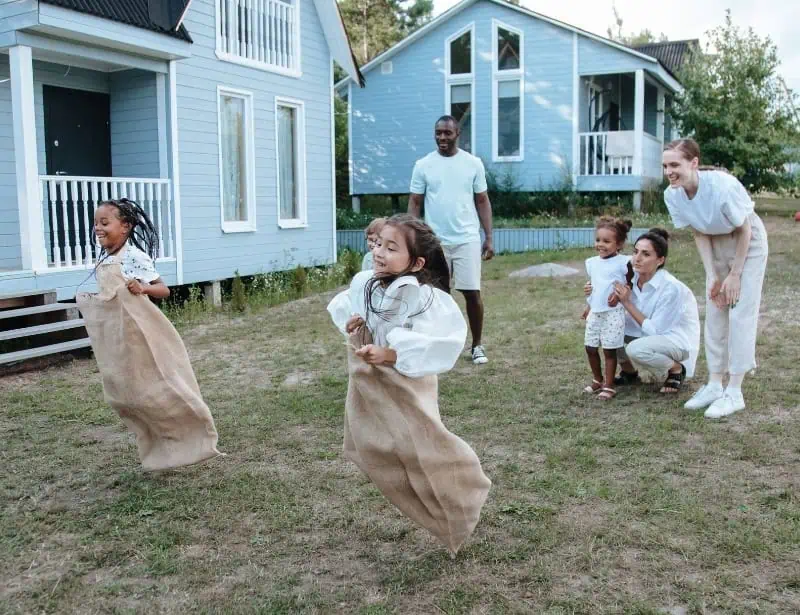
Backyard games create memories that last longer than expensive vacations do. Kids learn through play; unstructured outdoor time lets creativity flourish. When there's no set agenda? That's when the real fun starts.
Dr. Katie K. Lockwood from Children's Hospital of Philadelphia points out that outdoor play "promotes active engagement with their peers and the natural environment."
Carol Laman from Purdue Global's College of Social and Behavioral Sciences explains that "having unstructured playtime where there are no guidelines or rules is critical for children's development" because "it's when their creativity and imagination really flourish."
The timing before Memorial Day gives families unplugged bonding time before summer distractions take over.
Important Details and Timing
National Backyard Games Week begins on a Monday before Memorial Day weekend. This creates a natural bridge to the holiday celebration. The observance operates at the grassroots level; major recreation organizations like the National Recreation and Park Association haven't formally recognized it yet.
Planning starts two weeks early for best results. Families organize equipment, invite neighbors, create tournament brackets.
The community-driven nature means celebration formats vary by region and family preference. This differs from the more structured National Yard Games Day, established in 2021 by Luke Lorick, president of the Tailgating Challenge organization.
Creative Ways to Celebrate Your Week
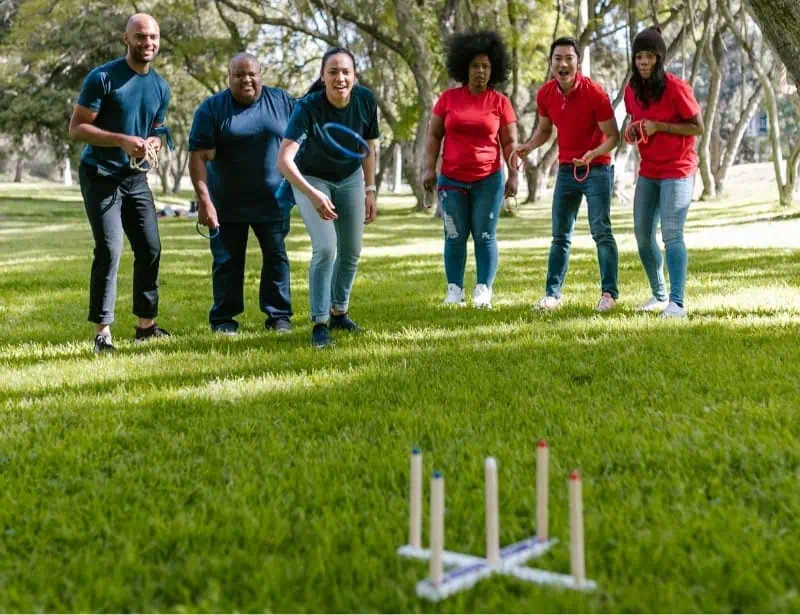
Host Family Tournament Series - Create brackets for cornhole, horseshoes, bocce ball with prizes for different age categories. Keep it simple but competitive.
Design Original Games - Challenge family members to invent yard games using household items like pool noodles, buckets, tennis balls. The weirder, the better.
Build DIY Equipment - Construct cornhole boards or ring toss sets as family projects; this extends fun beyond the week itself.
Organize Neighborhood Challenges - Coordinate with neighbors to create block-wide competitions with rotating game stations.
Document Memory Making - Create photo journals or family scorebooks that capture achievements and funny moments during the week.
Building Community Through Play
Backyard games break down social barriers between neighbors through shared competition. Block tournaments create annual traditions that strengthen local connections.
Less than half of Americans live within half a mile of a park. This makes backyard spaces valuable recreational resources for entire neighborhoods.
Street celebrations foster collaborative creativity as communities develop signature games and local rules that reflect their character. Angela Hanscom, author of "Balanced and Barefoot," explains that outdoor play helps children "take risks, overcome fears, make new friends, regulate emotions."
This relates to how grassroots celebrations build social networks through informal recreation. Neighbors become tournament organizers, equipment lenders, celebration hosts.
Making Your Celebration Stick
Start planning two weeks before the celebration begins. Create equipment checklists, invite extended family, establish house rules for fair play. Simple preparation prevents last-minute chaos.
Document achievements through photos, scorecards, family stories; these materials become treasured keepsakes that inspire future celebrations. Consider creating annual trophies or awards that rotate between family members each year.
The week serves as a launching point for ongoing outdoor family traditions. Establish weekly game nights that extend the celebration's impact all summer long.
This builds relationships and promotes healthy activity patterns year-round.
Have more fun with your family or community by also celebrating National Game & Puzzle Week and World Table Tennis Day.
Resources:
FAQs (Frequently Asked Questions)
When planning your backyard game space, start with clear zones that give players 5-10 feet of breathing room between activities. What often gets missed? Those hidden tripping hazards like tree roots or rocks that can turn fun into a trip to urgent care. Make sure you've got enough light for evening play, and think about creating different areas based on who's playing what. Equipment for games like cornhole needs regular checks for loose parts or wear. This suggests adding shock-absorbing surfaces under spots where folks will be jumping or running around. Your family's safety comes first.
Rainy days don't mean game over for Backyard Games Week. Transform your garage or basement using painter's tape to mark boundaries—works like a charm without damaging floors. Since 2018, families have gotten creative with indoor versions that keep the competition alive: try balloon volleyball, sock bowling, or setting up cornhole at shorter distances. Some tournament portions might need rescheduling, but daily mini-games can move indoors without losing their appeal. Beyond this, many yard classics have indoor cousins that preserve what makes the original games worth playing. And sometimes the indoor versions become new family favorites.
Start by adjusting throwing distances—what works for teenagers won't necessarily work for grandparents or younger siblings. Target sizes should change too, making success possible for everyone. Players who need to sit rather than stand should have that option without feeling sidelined. Today's inclusive approach means using lighter or softer equipment when helpful, and creating team formats where each person contributes according to their strengths. This relates to space design too—wider lanes accommodate mobility devices, while stable, flat surfaces make movement easier for everyone. One standalone thought: accessibility isn't about diluting the challenge, but making sure everyone gets to experience it.
Wooden items like cornhole boards last longer when stored away from weather extremes. Using covers for outdoor storage makes sense for bulkier equipment that's tough to move. After each use, a quick cleanup prevents buildup of dirt that can wear down surfaces over time. Recently, more families have started keeping inventory checklists—especially helpful when small pieces tend to wander off. For homemade games, applying weather-resistant sealants before the season starts pays off by season's end. This effect multiplies when you store smaller components in labeled containers. Your future self will thank you when next year's Backyard Games Week arrives with everything ready to go.
Barbara is a former journalist who is passionate about translating important causes into engaging narratives. She combines communication expertise with an environmental science background to create accessible, fact-driven content.