National Personal Trainer Awareness Day: Why It Matters

National Personal Trainer Awareness Day hits January 2nd each year. Jim Labadie and Joey Atlas started this whole thing back in the early 2000s. They understood the crazy pressure trainers face when January's resolution crowd storms the gyms.
Perfect timing, really. That's when fitness commitment peaks nationwide.
The founders saw how personal trainers "put plenty of effort into planning, analysis, and consideration." Their work turns individual motivation into actual results during the fitness industry's most demanding stretch.
Key Info: National Personal Trainer Awareness Day
- When is National Personal Trainer Awareness Day?
Occurs annually on the 2nd of January - This Year (2026):
Friday, January 2, 2026 (date has passed) -
Future Dates
- Saturday, January 2, 2027
- Sunday, January 2, 2028
- Tuesday, January 2, 2029
- Wednesday, January 2, 2030
-
Additional Details
- Observed By: Fitness industry professionals, personal trainers, gym members, and fitness enthusiasts
- Where Is It Observed: United States
- Primary Theme: Professional Recognition and Fitness Guidance
- Hashtags: #PersonalTrainerAwarenessDay #PersonalTrainer #FitnessGoals #NewYearFitness #FitnessProfessional #HealthAndWellness
Quick Links: National Personal Trainer Awareness Day
Why Personal Trainer Recognition Matters Now

January captures the majority of annual gym memberships in one month. Makes sense since people usually have fitness-centered New Year's resolutions.
This surge follows holiday overindulgence and creates serious demand for professional help. Without proper direction? Common statistics show 80% of January gym joiners quit within five months—wasted motivation and money.
Personal trainers provide accountability when enthusiasm naturally wavers. Research shows supervised training cuts injury incidents by about 50% compared to going solo. Professional help also produces muscle development and fat loss that self-directed training simply can't match.
During peak periods, trainers juggle higher client loads while maintaining safety standards. How do they protect newcomers from common exercise mistakes under that pressure?
Core Facts About the Awareness Day
This unofficial observance gained traction across U.S. fitness facilities throughout the 2000s. No government designation exists; gym chains and independent trainers just embraced the recognition annually.
The timing works perfectly with post-holiday fitness cycles that drive industry revenue.
Employment for fitness trainers is projected to grow 12% from 2024 to 2034, well above the average for all occupations. Today's trainers blend traditional methods with technology platforms and wearable integration. The industry shows serious fragmentation, though; no companies hold market share exceeding 5% in personal training services.
Ways to Celebrate National Personal Trainer Awareness Day
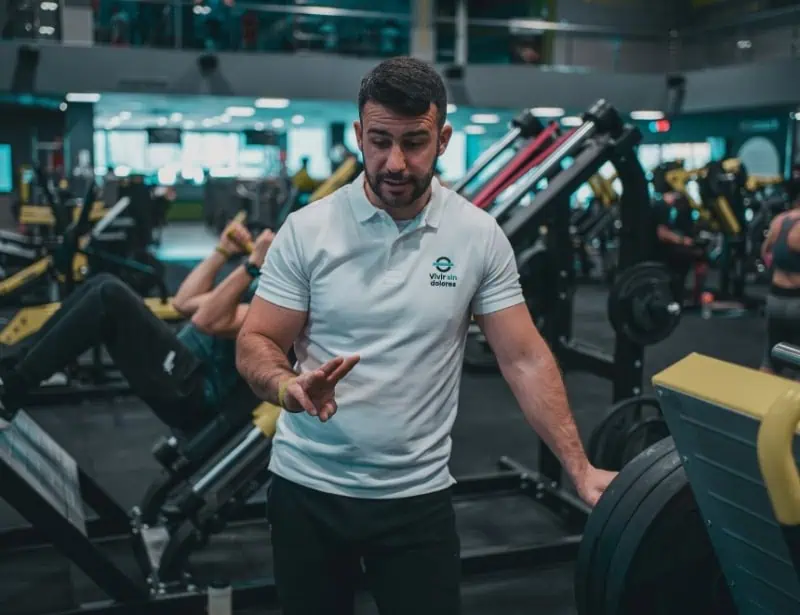
- Trainers: Share client transformations on social platforms. Offer community consultation sessions. Host workshops about exercise safety.
- Clients: Write appreciation posts tagging your trainer. Refer friends to your fitness professional. Leave specific reviews highlighting measurable changes you've seen.
- Facilities: Feature trainer spotlights in marketing materials. Organize appreciation events. Provide continuing education stipends.
Professional Value and Impact
Professional fitness help delivers clear safety benefits and better results. According to the U.S. Bureau of Labor Statistics, 370,100 fitness trainers work across the United States, maintaining expertise through continuing education requirements.
Their knowledge prevents exercise mistakes that can cause injury or lead to plateaus in progress.
Accountability represents another important factor. Trainers provide structure during dips in motivation that naturally occur. They adjust programs based on progress assessments and individual response patterns. This personalization separates professional help from generic fitness content.
Beyond this, the transformation support extends past physical changes. Trainers boost mental health improvements through structured exercise approaches.
Making the Most of Trainer Awareness Beyond January
This awareness day creates momentum for ongoing professional partnerships. Consider scheduling consultations with certified trainers to assess current fitness approaches.
Professional help proves valuable whether you're beginning fitness efforts or advancing existing routines. Many trainers offer assessment meetings or trial sessions. Long-term relationships produce better results compared to sporadic professional interactions.
Sustainable fitness practices develop through consistent expert support throughout the year. So, appreciate your personal trainers all year too!
Acknowledge other professions in the field by saying thank you during World Physical Therapy Day and National Nutrition Month.
Resources:
FAQs (Frequently Asked Questions)
Look for trainers with NASM, ACSM, or NSCA certifications - these three set the gold standard. NASM focuses on corrective exercise and works well if you have movement issues. ACSM emphasizes medical fitness, making it ideal for health conditions. NSCA targets strength and conditioning, perfect for athletic goals. Beyond this, specialty certifications in areas like yoga, nutrition, or injury rehabilitation add value. But here's what matters most: any trainer worth hiring will show you their credentials upfront and explain their training philosophy clearly.
Personal training runs $40-70 per hour in most areas. Major cities like New York or San Francisco? You're looking at $80-150 easily. Group sessions bring costs down to $15-45 per person, which makes sense for basic fitness goals. This relates to what you're actually getting - experienced trainers with specialized skills charge more, and rightfully so. Many trainers offer package deals that drop the per-session rate. In practice, budget around $200-300 monthly for twice-weekly sessions.
Run if they promise you'll lose 20 pounds in two weeks or guarantee specific results. Quality trainers know bodies don't work that way. Other red flags: pushing supplements hard, ignoring your injury history, or jumping straight into intense workouts without assessment. Watch for trainers who text during sessions, can't explain why you're doing an exercise, or use identical programs for everyone. Good trainers ask questions first. They'll screen your movement patterns and modify exercises when something doesn't feel right.
Virtual training works great if you already know proper form and need accountability or program design. But beginners? You need someone watching your squat technique in real time. The upside is clear - lower costs, flexible scheduling, and access to specialized trainers anywhere in the country. Equipment limitations create challenges though. Hard to do deadlifts when you only have resistance bands. Since 2020, hybrid approaches have become popular - monthly in-person form checks combined with virtual programming sessions.
Even gym veterans hit plateaus or develop movement compensations they can't see themselves. A trainer provides that outside perspective. You don't need ongoing sessions - quarterly check-ins often work better for experienced exercisers. This suggests focusing on specific goals: learning Olympic lifts, fixing nagging shoulder pain, or transitioning from powerlifting to endurance training. The key is matching trainer expertise to what you actually need help with.
Barbara is a former journalist who is passionate about translating important causes into engaging narratives. She combines communication expertise with an environmental science background to create accessible, fact-driven content.