
National Farmers Market Week: Food Fresh from Farm to Table
The United States Department of Agriculture designated the first week of August as National Farmers Market Week to acknowledge the efforts of local farmers to provide fresh produce and promote sustainability, local economies, and community spirit.
The event also offers insights into the food journey from the farm to the table and raises awareness about sustainable farming and its impact on communities and the environment. Celebrate fresh produce by browsing this article.
Key Info: National Farmers Market Week
- When is National Farmers Market Week?
Occurs in the 1st week of August - This Year (2026):
Monday 3rd - Sunday 9th August 2026 (date has passed) -
Future Dates
- Monday 2nd - Sunday 8th August 2027
- Monday 7th - Sunday 13th August 2028
- Monday 6th - Sunday 12th August 2029
- Monday 5th - Sunday 11th August 2030
-
Additional Details
- Observed By: Farmers markets, agricultural organizations, consumers, and communities across the United States
- Where Is It Observed: United States
- Primary Theme: Local Agriculture and Food Systems
- Hashtags: #NationalFarmersMarketWeek #NFMW #FarmersMarketWeek #FarmersMarkets #LocalFood #EatLocal
Quick links: National Farmers Market Week
Why National Farmers Market Week Matters

Farmers' markets connect farmers directly with consumers, provide access to fresh produce, and support local economies. They not only promote biodiversity by offering locally adapted and heirloom varieties, but they also help reduce the carbon footprint of transporting food over long distances.
National Farmers Market Week perfectly highlights the importance of this gathering of farmers and consumers. By purchasing from farmers directly, you are already practicing sustainability. Get others to do the same by promoting this awareness week.
Data and Statistics
As of this writing, the USDA's directory lists 7,033 farmers' markets and 1,937 on-farm markets in the United States.
Farmers who sell locally create 13 full-time jobs per million dollars in revenue, while non-local sellers create only three.
In 2020, USDA reported that 59% or $1.7 billion of direct-to-consumer sales came from on-farm stores and farmers' markets. Moreover, 78% of these farms directly marketed their produce within a 100-mile radius
How to Support Farmers Markets
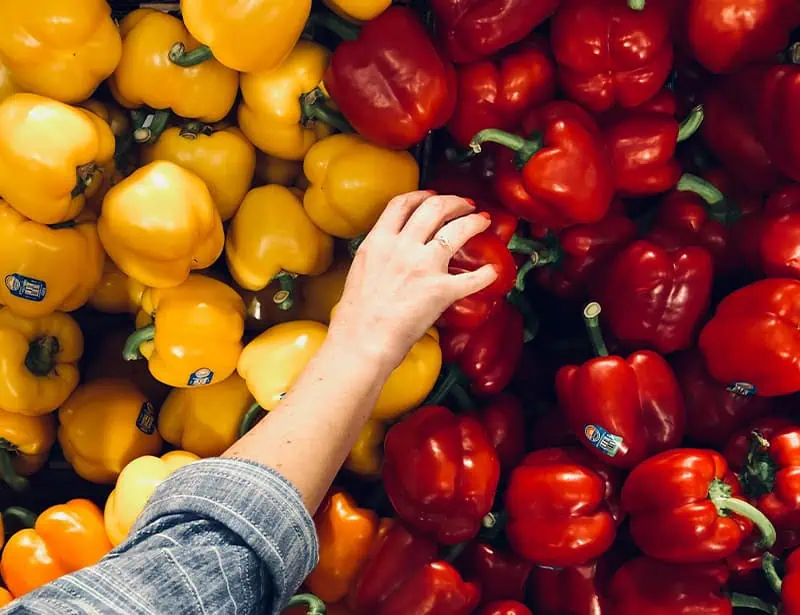
- Buy local fruits, vegetables, and other resources regularly. Use the USDA directory to search for the farmers markets near you.
- Buy seasonal fruits and vegetables to ensure the freshest and most nutritious produce and support the natural farming cycle.
- Spread the word about farmers markets with friends and family and on social media.
- Volunteer at farmers market and help set up stalls, organize events, and promote the market.
- Participate in community-supported agriculture (CSA) programs where you can subscribe to the harvest of a particular farmer or group of farms.
- Live more sustainably in addition to buying locally by practicing zero-waste grocery shopping.
Brief Timeline of National Farmers Market Week
Farmers markets became more popular in the United States, and more markets were established nationwide.
The USDA Agricultural Marketing Service tracks the number of farmers' markets across the United States, initially counting 1,755.
The USDA declares the first National Farmers Market Week during the first week of August to coincide with the peak harvest season.
The USDA reports a significant increase in the number of farmers markets to 3,706.
The USDA celebrates the 15th Annual National Farmers Market Week, with over 8,000 participating farmers markets nationwide.
The United Nations (UN) recognizes the importance of local food production and the role of farmers market in sustainable development.
National Farmers Market Week Hashtags

Whether you are on the side of farmers or producers, use the following hashtags to encourage your community to support farmers' markets.
- #FarmersMarketWeek
- #SupportLocalFarmers
- #FreshFromTheFarm
- #EatLocal
- #FarmToTable
Conclusion
National Farmers Market Week honors local farmers' dedication and community farming's resilience. It reminds us of the connection between our food and the earth and emphasizes the importance of sustainable development.
Let us support our local farmers market, purchase local agriculture, and feel the benefits of farm-to-table produce.
Resources:
FAQs (Frequently Asked Questions)
Locally grown produce is fresher and more nutritious because traveling from farm to sale takes less time. It yields better taste and higher levels of vitamins and minerals.
Visit the farmers market in late spring, summer, and early fall when the weather is warmer. Due to more customers and higher demand for their goods, vendors are more likely to be present.
This annual observance, held every first week of August, highlights the vital role of local farmers and markets in sustainable and healthy agriculture.
You can use online directories, community websites, or social media platforms.
Shop at local markets, spread awareness on social media, and volunteer at or organize fun events.
Mike is a degree-qualified researcher and writer passionate about increasing global awareness about climate change and encouraging people to act collectively in resolving these issues.
Fact Checked By:
Isabela Sedano, BEng.
