August 6th: National & International Days, Celebrations and Observances
As August arrives, towns and cities mark the Hiroshima anniversary. Downtown squares fill with peace rallies. Most local groups focus on stopping nuclear weapons for good.
Hot afternoons bring neighbors outside. You'll spot families sharing root beer floats on porches, trading stories as the sun sets. These quiet moments feel right, especially today.
Downtown farmers markets pack the streets mid-week. Tables overflow with tomatoes and corn. Regular shoppers know their favorite vendors by name.
Walking home with local produce means fewer delivery trucks on roads. Block by block, neighborhood markets make communities work better - no fancy program needed.
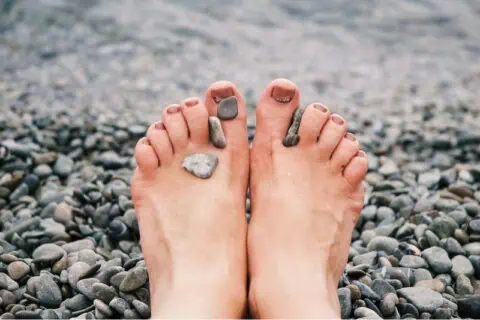
August 6 marks Hiroshima Day and supports nuclear disarmament and peace worldwide. The date includes lighter celebrations too: National Fresh Breath Day, Root Beer Float Day, and Wiggle Your Toes Day. It falls during National Farmers Market Week, which promotes local food and community bonds.
August 6th: Quick Links
National Days and Awareness Events on August 6th

 Mind & Body
 Mind & Body
Awareness Weeks Including August 6th
 Mind & Body
 Charity & Civil Society
 Mind & Body
 Sustainable Living
4 Monthly Observances Across August
 Mind & Body
 Mind & Body
 Mind & Body
 Environment
Make A Difference On August 6th
August 6th offers ways to support peace in our communities. Light a candle or join others at Hiroshima memorial vigils starting 8:15 AM. Later, local farmers at morning markets welcome both customers and grateful words.
- Drop by neighborhood gardens with snacks - good talks happen naturally there.
- Take off your shoes, walk on grass.
- Your garden can help too - plant flowers that feed native bees and butterflies.
- Looking to help more broadly? Nuclear disarmament groups need both online voices and funding support.
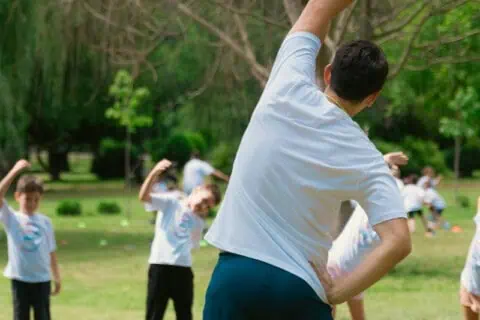
- Fresh air breaks help clear the mind.
People gather at community gardens to swap ideas about protecting our surroundings. Simple chats lead somewhere new. Each small effort counts.
Did You Know? August 6th Facts and Historical Events
Three dramatic events in science occurred on August 6th.
- In 1986, Sydney experienced nature's raw power. Observatory Hill measured 328.6mm of rain within 24 hours, turning local streets into waterways. Few regions see this much precipitation across several months.
- A rock from Mars changed space research in 1996. Tests on the 4.1-billion-year-old Antarctic meteorite showed tiny features that hinted at ancient biological activity. Though newer research suggests different origins, this finding pushed Mars exploration forward.
- 2012 brought direct contact with the Red Planet. A $2.5 billion robot lab called Curiosity landed in Gale Crater. The car-sized rover keeps working past its planned lifespan. Its instruments have identified old stream beds and organic compounds in Martian rock samples, giving scientists fresh data about Mars's early conditions.
August 6th - Notable Birthdays
August 6th marks the births of five people who changed their fields.
- Alexander Fleming worked in a London lab in 1928. A contaminated culture plate showed mold killing bacteria - a lab accident that led to penicillin. His Nobel Prize in 1945 recognized how this discovery launched antibiotics that work even now.
- At Natal Herbarium, Constance Adams filled 50 research journals with South African plant details. Her notes mapped rare species locations, soil types, and growing patterns. Modern conservation teams still check her field data when tracking threatened plants.
- Virginia Durr fought poll taxes across Alabama in the 1940s. She met Rosa Parks during these protests. Durr later exposed how factory waste and poor neighborhoods often went together - connecting dots others missed.
- Chris Bonington tackled the Eiger North Wall in 1962, after three teams had failed that winter. Today, Sir Chris documents glacier retreat and rock falls on his old routes. His detailed photos and maps show exactly how these mountains are shifting.
- Rajendra Singh restored water to 1,000 villages in Rajasthan. He dug wells where locals remembered old water sources. The Stockholm Water Prize committee noted how his work brought farming back to 6,500 square kilometers of dry land.