
International Self-Love Day: Celebrate Your Worth

February 13 marks International Self-Love Day each year. The date isn't random—founders positioned it right before Valentine's Day to make a clear point. Self-acceptance comes first; romantic relationships follow.
Two women started this movement separately. Christine Arylo and Sanah Jivani built organizations that now reach 41+ countries.
When people practice self-love first, romantic relationships improve too.
Key Info: International Self-Love Day
- When is International Self-Love Day?
Occurs annually on the 13th of February - This Year (2026):
Friday, February 13, 2026 (date has passed) - Official Website: Path of Self Love School
-
Future Dates
- Saturday, February 13, 2027
- Sunday, February 13, 2028
- Tuesday, February 13, 2029
- Wednesday, February 13, 2030
-
Additional Details
- Observed By: Individuals, educational institutions, mental health advocates, and community organizations globally
- Where Is It Observed: International
- Primary Theme: Self-Love And Personal Acceptance
- Hashtags: #InternationalSelfLoveDay #SelfLove #SelfAcceptance #LoveYourself #SelfCare #MentalWellness #SelfWorth #PersonalEmpowerment
Quick Links: International Self-Love Day
Why This Day Matters

Modern culture pushes external validation over self-worth constantly. February 13 tackles this problem head-on. Does prioritizing others' opinions really build lasting happiness?
The timing sends a clear message about Valentine's Day. You can't love someone else properly until you love yourself. Personal worth doesn't depend on relationship status or getting roses from strangers.
Research backs this up strongly. Self-compassion interventions show medium to large effect sizes for reducing depression and anxiety.
Beyond this data, real people report feeling stronger when they practice self-acceptance first. The connection is—well, actually, the connection is everything when it comes to mental wellness.
Origins and Founding
Christine Arylo created Self Love Day in 2008 through The Path of Self Love School. Three years later, Sanah Jivani launched the International Day of Self-Love via her Love Your Natural Self Foundation.
Arylo's organization has reached over 35,000 students across six continents; their mission targets 1 billion people with self-love messages. Jivani's foundation emerged from her personal experience with alopecia universalis and subsequent bullying challenges.
Both founders skipped UN recognition entirely. They built grassroots movements instead—this strengthens credibility more than official stamps.
Their dual approach now spans 135 schools in 28 countries.
Timeline
| Year | Milestone |
|---|---|
| 2008 | Christine Arylo establishes Self Love Day through Path of Self Love School |
| 2011 | Sanah Jivani launches International Day of Self Love via Love Your Natural Self Foundation |
| 2015 | Expansion documented across multiple continents through educational programming |
| Present | Ongoing dual-organization promotion with 41+ countries participating globally |
How to Celebrate International Self-Love Day
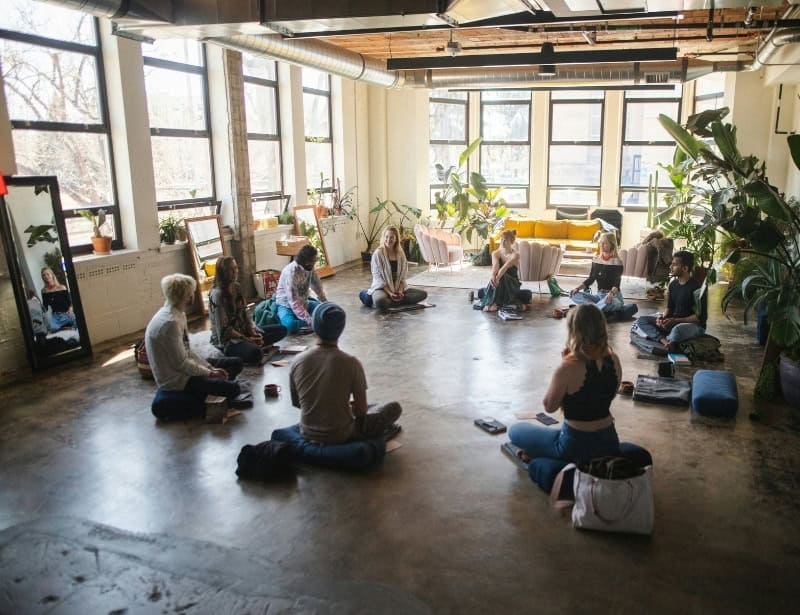
- Practice mirror affirmations during morning routines. Speak kindly to your reflection—this feels awkward at first, but works.
- Write honest entries in a journal about growth patterns and recent wins.
- Share real stories on social media using #InternationalSelfLoveDay and #SelfLove hashtags.
- Organize local gatherings in schools or community centers. Group discussions create support systems that last.
- Create personal rituals that honor your worth. Light candles, take walks, practice meditation—whatever feels authentic.
- Release one limiting belief on February 13. Write it down and ceremonially destroy the paper.
- Send encouraging messages to friends who need support.
- Document the experience through photos or videos for future reflection.
Regular practice matters more than perfect execution. Start small.
Key Themes and Messaging
Self-acceptance forms the cornerstone of this movement's approach. Participants learn to release insecurities that limit growth potential—identity celebration becomes possible without external judgment.
Mental wellness connections appear throughout official materials. According to research, 95% of the reliable variance in self-compassion can be attributed to a general factor. This indicates why the holistic approach works better than targeting specific issues.
Core messaging stays stable year after year while allowing personal interpretation. Individual worth doesn't change with circumstances; individual recognition of that worth does.
Personal empowerment grows through consistent self-kindness practice.
Global Participation and Reach
When schools across 41+ countries observe International Self-Love Day annually, reach expands rapidly. Educational institutions integrate programming into February curricula regularly.
Community events range from workshops to coordinated social campaigns. Social platforms amplify participation through hashtag movements well.
The Love Your Natural Self Foundation documents activities in 135 schools internationally, though comprehensive tracking remains limited.
Recent adolescent mental health statistics make this work urgent: 20.3% of teenagers (12-17 years old) have diagnosed mental health conditions. Grassroots promotion drives most international growth organically rather than through mandates.
The commercialization aspect bothers me sometimes. Real self-work doesn't need branded hashtags or perfect Instagram posts.
Conclusion
February 13 deserves a permanent spot on your calendar. International Self-Love Day prioritizes personal worth before romantic celebration arrives—this timing creates a foundation for healthier relationships.
Share your experience using official hashtags on social platforms. Self-acceptance benefits from both community support and individual commitment to authentic growth.
Really authentic growth.
Resources:
FAQs (Frequently Asked Questions)
International Self-Love Day happens February 13. Two groups run it - Christine Arylo's Path of Self Love School and Sanah Jivani's Love Your Natural Self Foundation. This timing matters. It comes right before Valentine's Day, helping people value themselves first. Other self-love days focus on individual wellness. This one builds community in schools and workplaces. The structure makes it different too.
Adults have plenty of options beyond school programs. Workplaces can try positive affirmation breaks during meetings. Teams might share gratitude exercises at lunch. Some companies post authentic stories on social media or organize volunteer work that builds community connections. Many adults join in solo - morning rituals work well. Evening reflection helps too. Local community centers often host February 13 events for all ages.
Studies show self-love practices can stick around when people keep doing them. Research tracking participants found mental health improvements lasted at least a month. But here's the thing - it takes regular practice. One day alone won't transform your life. Think of February 13 as a starting point. It can spark new habits that actually make a difference. The evidence points to ongoing self-compassion work, not single events.
We couldn't find solid research on how different cultures celebrate International Self-Love Day specifically. The search turned up studies on cultural differences in relationships and self-concept. But nothing detailed about February 13 celebrations worldwide. This question needs fresh research from academic databases and international observance records to give you a proper answer.
People dealing with severe depression or trauma should check with mental health professionals first. Self-love activities can help, but they might trigger difficult emotions for some. Trauma survivors sometimes find positive affirmations feel fake or overwhelming initially. Depression can make self-compassion exercises feel impossible. Safe participation often means starting small - maybe just one gentle activity with professional guidance. Community events might work better than solo practices for people who need extra support.
Barbara is a former journalist who is passionate about translating important causes into engaging narratives. She combines communication expertise with an environmental science background to create accessible, fact-driven content.
