World Tuna Day: Sustainable Fishing For Ocean Health

World Tuna Day happens on May 2nd each year. The United Nations General Assembly established this through Resolution A/RES/71/124 back in 2016. The day connects tuna sustainability to global food security.
The day recognizes tuna as both an ecological cornerstone and an economic lifeline for millions of people worldwide. This brings together governments, fishing communities, conservation groups. The focus is on sustainable fishing that protects marine ecosystems.
Key Info: World Tuna Day
- When is World Tuna Day?
Occurs annually on the 2nd of May - This Year (2026):
Saturday, May 2, 2026 (date has passed) - Official Website: United Nations World Tuna Day
-
Future Dates
- Sunday, May 2, 2027
- Tuesday, May 2, 2028
- Wednesday, May 2, 2029
- Thursday, May 2, 2030
-
Additional Details
- Observed By: UN member states, fishing communities, conservation organizations, and marine science institutions
- Where Is It Observed: International
- Primary Theme: Marine Conservation and Sustainable Fishing
- Hashtags: #WorldTunaDay #SaveOurTuna #SustainableFishing #MarineConservation #OceanConservation
Quick Links: World Tuna Day
The Purpose Behind World Tuna Day
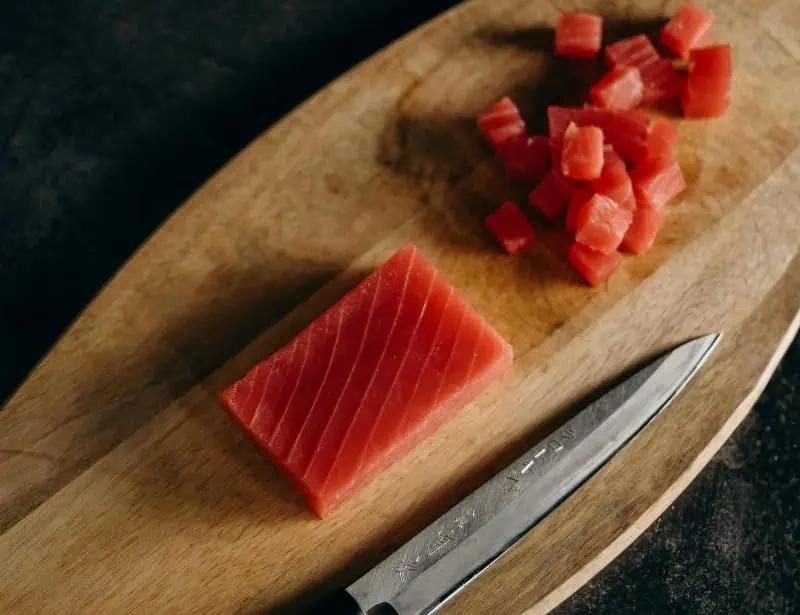
The UN created World Tuna Day to advance Sustainable Development Goal 14: Life Below Water. Tuna stocks face pressure from overfishing and illegal operations. Climate change adds stress to vulnerable populations.
Tuna species serve as keystones in marine ecosystems; they support biodiversity while generating billions in economic activity.
Many coastal communities depend on tuna fisheries for survival. Some depend entirely on these fisheries. It's their whole livelihood.
The day promotes science-based management of tuna stocks. Both industrial fisheries and artisanal fishing communities participate in conservation efforts.
Tuna by the Numbers
- Global tuna catch reached 8.3 million tonnes in 2022, the highest level recorded[1]
- 86% of global tuna catch now comes from healthy stocks, up from 85% in 2023[2]
- More than 80 countries operate tuna fisheries
- Skipjack accounts for 57% of commercial catches, yellowfin 30%[1]
Timeline
International Seafood Sustainability Foundation launches tuna conservation initiatives across major fishing regions
Pacific Islands Forum calls for international recognition of tuna conservation through a dedicated day
UN General Assembly adopts Resolution A/RES/71/124, officially establishing World Tuna Day
First official World Tuna Day takes place on May 2
Virtual format expands digital engagement, connecting participants across continents during pandemic restrictions
How to Observe World Tuna Day
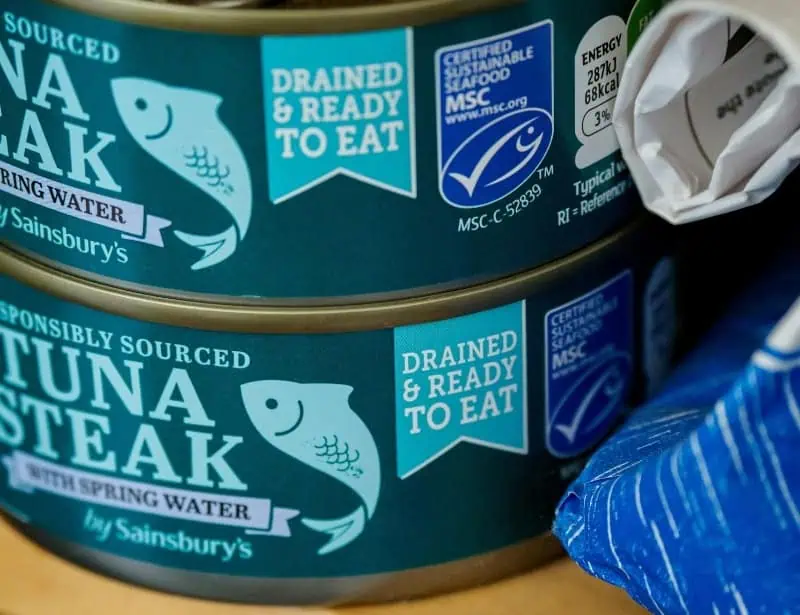
- People make an impact through sustainable seafood choices. Look for MSC certification labels when buying tuna.
- Share educational content using official hashtags.
- Visit local aquariums for any special programming. Some also develop exhibits showcasing tuna migration patterns.
- Join organizations that coordinate larger activities. The UN hosts virtual events connecting global stakeholders. Conservation groups launch campaigns highlighting specific threats.
- Support businesses that show commitment through supply chain transparency. Look out for their sustainability pledges and eco-labeling initiatives.
Important Themes and Messaging
Sustainable tuna management requires science-based quotas and international cooperation. According to the Food and Agriculture Organization, regional fisheries management organizations work across ocean basins to balance conservation with community livelihoods.
Consumer responsibility drives market transformation. Responsible choices push industry improvements.
Eco-labeling helps consumers identify sustainable options when they know what to look for.
Science-based policy guides effective fisheries management. Ecosystem approaches consider broader marine health impact; traceability systems combat illegal fishing operations.
These themes represent core priorities for long-term success.
Who Leads World Tuna Day Efforts
The Food and Agriculture Organization handles UN activities. Regional Fisheries Management Organizations provide technical expertise and policy frameworks across ocean regions.
Major conservation groups include the World Wildlife Fund, Oceana, and the International Seafood Sustainability Foundation. These organizations develop educational materials and advocacy campaigns reaching global audiences.
But it's really the collaboration between all these groups that makes progress happen.
Scientific bodies contribute research that informs management decisions. Industry groups participate through sustainability commitments and sharing best practices.
Moving Forward
Ocean conservation starts with choices at the seafood counter. Check sustainable seafood guides before your next purchase. A step further, study the environmental impact of fishing.
Explore official UN resources to understand marine protection strategies. There's way more available than most people know about.
Tuna population recovery can happen through collective action and sustained commitment to responsible fishing practices. So join the others in celebrating World Tuna Day every May 2nd.
Push advocacy for greener seafood by marking these days: National Shrimp Day and World Fisheries Day.
Resources:
FAQs (Frequently Asked Questions)
The UN keeps the main World Tuna Day page updated on their observances site. Beyond this, the International Seafood Sustainability Foundation posts their research reports and compliance docs online. The Marine Stewardship Council and FAO both share solid resources on sustainable tuna fishing. These three sources give you the most reliable information without the marketing spin.
Your choices actually move the needle. Buying MSC-certified tuna tells companies people want sustainable options - and companies listen to sales data. Sharing posts with #WorldTunaDay or #TunaSustainability reaches new people who might not know about tuna problems. Teaching kids about ocean conservation builds the next generation of conscious consumers. Each person who switches creates demand that pushes the whole industry toward better practices.
Aquariums run the big public events - exhibits, talks, hands-on displays about different tuna species. Universities host the technical stuff like fisheries science seminars. Environmental groups coordinate beach cleanups and petition drives. The fishing industry holds forums on best practices, which sounds dry but actually shapes policy. Government fisheries departments bring stakeholders together for the real decision-making meetings. Most events now mix online presentations with local activities.
The UN officially recognized World Tuna Day in 2017. Today more than 96 countries participate in tuna management efforts, according to FAO data. But the source materials don't break down year-by-year growth numbers since launch. This suggests participation tracking focuses more on conservation outcomes than event attendance.
Pacific bluefin tuna tells the success story. NOAA Fisheries reports it hit recovery targets 10 years early - jumping from 2% of natural population in 2009 to 23.2% by 2022. Since 2017, Pew Charitable Trusts documents major wins: better ship monitoring, stronger protections for manta rays caught accidentally, and unified enforcement rules across all five regional tuna organizations. This shows international coordination works when countries actually follow scientific catch limits.
Sources & References
- [1]
- Food and Agriculture Organization. (2024). The State Of World Fisheries And Aquaculture 2024.
↩ - [2]
- International Seafood Sustainability Foundation. (2024, April 3). ISSF report: 86% of global tuna catch comes from stocks at healthy levels; 10% requires stronger management.
↩
Barbara is a former journalist who is passionate about translating important causes into engaging narratives. She combines communication expertise with an environmental science background to create accessible, fact-driven content.