
Look Up at the Sky Day: Your Guide to Nature's Greatest Show

April 14th marks Look Up at the Sky Day across the world. People step outside their daily patterns to gaze upward together. This simple practice creates moments of mindfulness through nothing more than shifting your view. The sky connects us all—across boundaries, demographics, and distance.
Ancient humans tracked celestial patterns for survival and meaning. Today, we honor this tradition through a celebration that needs no special equipment. This observation lacks formal founding papers but thrives on grassroots enthusiasm. Its power? Simplicity. Just remember to look up.
Key Info: Look Up at the Sky Day
- When is Look Up at the Sky Day?
Occurs annually on the 14th of April - This Year (2026):
Tuesday, April 14, 2026 (date has passed) -
Future Dates
- Wednesday, April 14, 2027
- Friday, April 14, 2028
- Saturday, April 14, 2029
- Sunday, April 14, 2030
-
Additional Details
- Observed By: General public, nature enthusiasts, astronomers, and mindfulness practitioners
- Where Is It Observed: United States
- Primary Theme: Natural Sky Appreciation
- Hashtags: #LookUpAtTheSkyDay #SkyDay #SkyGazing #CloudWatching #NaturalWonders
Quick Links: Look Up at the Sky Day
Origins and Background
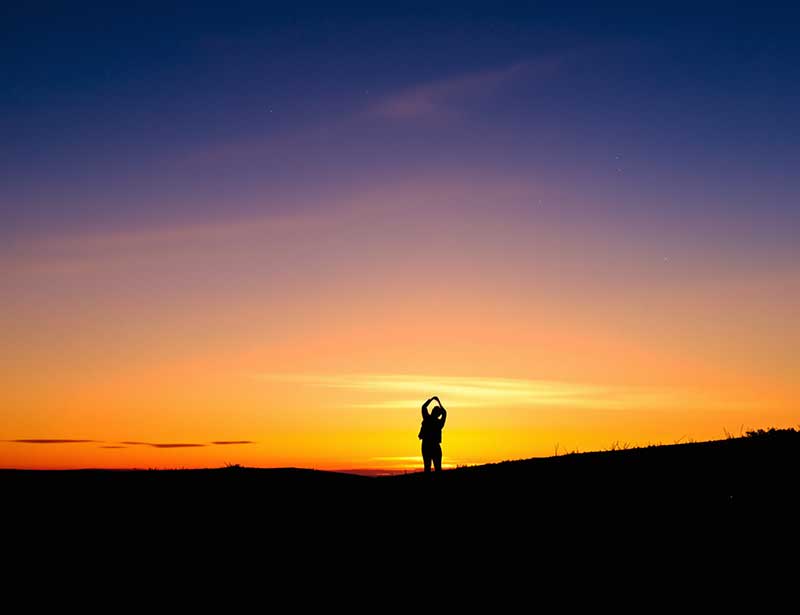
Jack Borden experienced a life-changing sky moment in 1978. The Boston journalist later founded "For Spacious Skies," a nonprofit focused on promoting greater sky literacy nationwide. His organization points to research showing sustained sky observation improves cognitive abilities. Harvard studies found students with regular sky awareness performed better in reading and visual arts than their peers.
The day emerged without corporate backing. Calendar websites helped spread the concept through dedicated listings. Since 2010, social media has amplified its reach with hashtag campaigns.
Traditional celebration calendars rarely included sky-focused events before this. This fills that gap.
Significance and Purpose
Modern life keeps our eyes down—toward screens, sidewalks, and immediate tasks. We forget the ever-changing canvas stretching above us. Sky observation creates an instant mindfulness practice requiring no training or cost. The horizon pulls our view beyond today's problems.
Many cultural traditions weave celestial observation into spiritual practices and farming decisions. The Nebra sky disk from 1600 BCE shows our ancient connection to patterns still visible now. Regular sky-watching offers rare moments of stillness in our rushed lives.
Cloud Appreciation Society founder Gavin Pretor-Pinney describes clouds as "Nature's poetry; the most egalitarian of her displays." These formations remain available to everyone. A single upward glance connects us to both atmosphere and space at once.
What to Observe in the Sky - Mid-April Specifics

Mid-April skies present unique seasonal sights that vary by location and time. Morning brings cumulus clouds forming as temperatures climb. About 20% more water vapor enters the atmosphere during spring transitions, creating distinctive shapes. Cirrus streaks at higher altitudes signal changing weather patterns worth tracking.
Afternoons offer prime bird migration viewing. Over 4,000 species worldwide make seasonal journeys during April. The sky becomes their highway.
Evening watchers should note Venus appearing brightly after sunset this month. And the upcoming Lyrid meteor shower peaks near April 22nd with increased activity.
Sky Observation Guide by Time of Day
Dawn: Watch clouds form and sunrise colors develop. No equipment needed—though southern regions require earlier viewing.
Morning: Spot bird migrations and developing cloud structures. Binoculars help but aren't necessary. Most activity follows established flyways.
Afternoon: Notice full cloud development and changing sun position. Use sunglasses for safety and track shadow length changes as a seasonal marker.
Evening: Find Venus and early stars as sunset fades. Star chart apps can help with identification, though light pollution affects visibility.
Night: Explore visible constellations and prepare for Lyrid meteors. A red flashlight preserves night vision while you search the darkness. Your hemisphere determines which stars you'll see.
How to Celebrate Look Up at the Sky Day
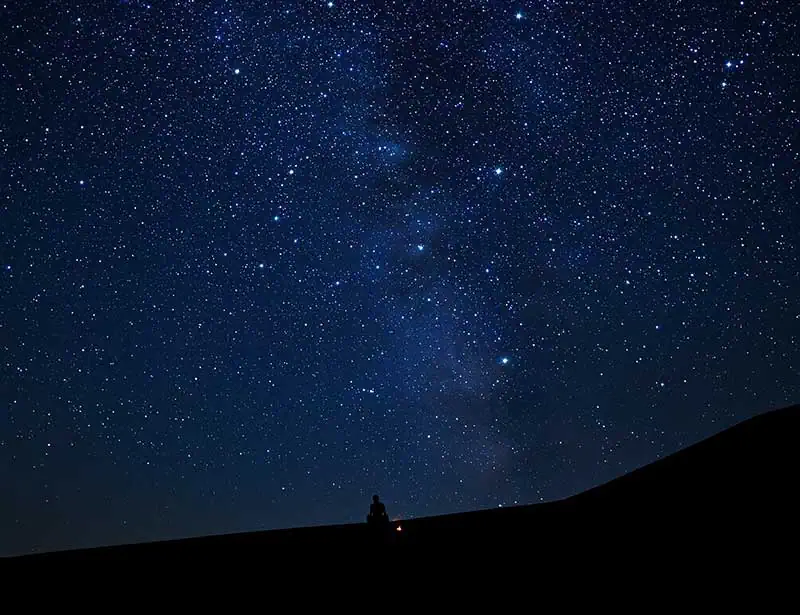
Celebrating needs only your attention and willingness to look upward throughout the day.
- Five-Minute Sky Break: Step outside three times. Spend five full minutes watching changing sky patterns each time—morning light, midday formations, and evening transitions.
- Cloud Journal: Sketch cloud formations simply. Note weather conditions and how different shapes affect your mood. Jot down some of our sky quotes to get you started.
- Family Sky Scavenger Hunt: Make cards showing different cloud types and birds. Family members check items off as they spot them during the day.
- Educational Connection: Teachers can use shadow measurements in math lessons. Students might create sky-themed poetry linking personal observation with creative expression.
- Photography Challenge: Capture the same sky location at different hours. Show how one patch of sky transforms through the day.
- Citizen Science: Join NASA's GLOBE Observer program collecting cloud data for climate research. Your observations contribute to actual scientific studies.
- Cultural Sky Stories: Learn how different cultures interpret celestial patterns. Share these stories with friends or online communities.
- Community Star Party: Organize evening gatherings with shared telescopes. Astronomy clubs often provide volunteers and equipment for such events.
This celebration stands out for its inclusive nature. Even homebound people can participate through windows or digital sky programs.
Photography and Documentation Tools
Smartphones capture impressive sky images with a few technique adjustments. Position the light sources behind you for balanced exposure; tap the brightest sky area to adjust the settings before shooting. Taking multiple shots in different settings helps catch the right moment.
SkyView identifies celestial objects in real time when pointed upward—over 20 million users have downloaded this tool. Stellarium provides detailed star maps with historical constellation information for planning.
NASA's GLOBE Observer app lets you contribute scientific data while enjoying personal sky time.
Social media sharing through #LookUpAtTheSkyDay connects observers worldwide. But have you considered starting a dedicated sky journal? Many participants document their personal sky relationships across seasons and years. This practice develops pattern recognition skills that transfer to other areas.
Local and Online Community Engagement
Local astronomy clubs welcome newcomers with shared equipment and expertise. The Night Sky Network coordinates over 400 astronomy clubs nationally that host public viewing events. Nature centers offer guided sky observation with ecological context. Libraries increasingly loan telescope kits with instruction manuals for home exploration.
Beyond this, online communities flourish for sky enthusiasts seeking connection across distances. Facebook groups dedicated to cloud appreciation exceed 100,000 members in some cases. Virtual observation events connect people through live-streamed telescope viewing.
The Cloud Appreciation Society maintains an active global presence with regional chapter. Members document unusual formations from around the world on shared platforms. Educational institutions host public sky events combining formal knowledge with clear connect to community interest year-round.
Conclusion
Look Up at the Sky Day reminds us that wonder waits daily—no cost, no special access needed. This simple practice brings humans together through shared observation of our common ceiling. The sky continues its displays whether we notice or not.
Taking time to look up extends benefits beyond April 14th into lifelong awareness. Start today; schedule three five-minute sky breaks in your calendar. Share what you see with others either in person or online. The ancient human tradition of sky watching continues through your participation.
Resources:
FAQs (Frequently Asked Questions)
Look up in North and Central Texas during mid-April and you'll see partly cloudy skies most days. Clear views happen less than 30% of the time according to weather records. The Hill Country tends to offer better chances for star spotting. Northeast Texas? More clouds and rain there. Temperatures hit the comfortable 70s in daytime and cool off at night - perfect for stargazing. Just watch for those sudden thunderstorms that can ruin the whole experience.
Don't stare at the sun without proper filters - this isn't negotiable. Regular UV sunglasses work fine for watching clouds during the day. This relates to comfort too - grab a reclining chair if you have mobility issues. Some people set up mirror boxes instead. Since 2020, more folks with light sensitivity have found dawn and dusk hours best for sky viewing. And if your neck tends to bother you, keep sessions short - 10-15 minutes before taking a break.
NASA's Phenomena Detection Portal uses machine learning to spot atmospheric events like smoke plumes. This stands out from basic sky apps. The Stanford-MIT model creates detailed sky views showing moonlight and star positions. Beyond this, the Galileo Project's infrared camera system offers continuous monitoring capabilities. Their 2023 study points to both scientific value and practical protection for amateur sky watchers who want accurate identification.
NASA's GLOBE Observer needs your cloud observations. Today this program connects thousands of everyday contributors to real research. Submit what you see and help scientists track patterns. The Aurorasaurus project maps aurora activity using public reports. Space station spotting? Their tracking app lets you document flyovers with precise times. Bird migration observations through eBird add another layer to sky data. These simple contributions generate clear connections to scientific progress.
Barbara is a former journalist who is passionate about translating important causes into engaging narratives. She combines communication expertise with an environmental science background to create accessible, fact-driven content.
