
Orthodox New Year: Julian Calendar Traditions Explained

Orthodox New Year arrives January 14th for millions worldwide. Eastern Orthodox Christians maintain this date through their Julian calendar system. The celebration differs from both the secular New Year on January 1st and the Orthodox church's year beginning on September 1st.
This 13-day difference stems from calendar reforms that Orthodox churches never adopted. According to the Pew Research Center, Russia contains approximately 101.5 million Orthodox Christians, representing about 82% of the world's Orthodox population; roughly half celebrate January 14th as an informal family holiday.
Ukraine, Romania, Greece, and Belarus represent other major Orthodox populations preserving this unique practice.
Key Info: Orthodox New Year
- When is Orthodox New Year?
Occurs annually on the 14th of January - This Year (2026):
Wednesday, January 14, 2026 (date has passed) -
Future Dates
- Thursday, January 14, 2027
- Friday, January 14, 2028
- Sunday, January 14, 2029
- Monday, January 14, 2030
-
Additional Details
- Observed By: Eastern Orthodox Christian communities and diaspora populations globally
- Where Is It Observed: International
- Primary Theme: Cultural Heritage And Faith Tradition
- Hashtags: #OrthodoxNewYear #JulianCalendar #EasternOrthodox #OrthodoxTradition #January14 #OrthodoxCommunity #CulturalHeritage
Quick Links: Orthodox New Year
Calendar Origins and the January 14th Date
Orthodox churches preserved the Julian calendar system established by Julius Caesar in 45 BCE. Pope Gregory XIII introduced calendar reforms in 1582 to correct seasonal drift. Most Western churches adopted the Gregorian calendar immediately.
Orthodox communities resisted these changes for religious and political reasons—viewing calendar unity as church surrender. Wait, let me be more direct about this. Communities saw these reforms as political interference in religious matters.
The math creates January 14th precisely. January 1st on the Julian calendar equals January 14th on the Gregorian system today. This gap accumulated as the Julian calendar drifted from the true solar year.
The Russian Soviet Federative Socialist Republic officially adopted the Gregorian calendar on February 14, 1918, but the Russian Orthodox Church maintained Julian dates for worship purposes. This dual calendar system persists across Orthodox communities globally.
September 1st remains the Orthodox Church's new year. It carries religious importance as the traditional start of Christ's public ministry. The January celebration represents civil rather than religious renewal within Orthodox calendar structures.
Patriarch Meletios Metaxakis of Constantinople once advocated calendar reform "to achieve unity with other Christians," yet Orthodox defenders maintained that "the calendar is no longer merely Julian but ecclesiastical," having been sanctified through centuries of Church use.
Global Orthodox New Year Observance
Orthodox communities spread worldwide while maintaining January 14th traditions. Russian, Ukrainian, Serbian, and Georgian Orthodox populations celebrate across Europe, North America, and Australia.
Research shows Orthodox Christians in America represent about 1% of the adult population, with 40% being immigrants and 25% children of immigrants. This makes them the most immigrant-connected religious tradition nationwide.
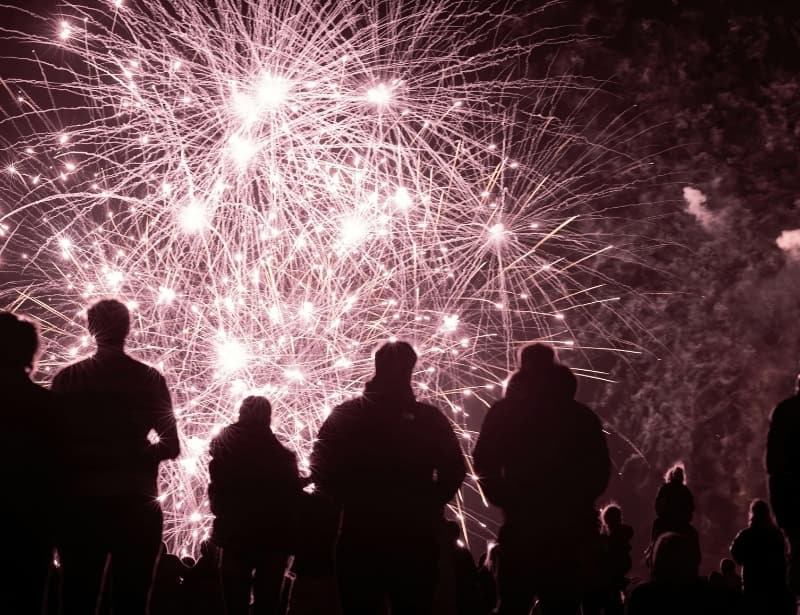
Regional variations reflect local customs beautifully. North Macedonia celebrates with neighborhood bonfires on January 13th. Serbia maintains church-sponsored concerts and fireworks launched from Belgrade's Church of Saint Sava.
Australian and Canadian Orthodox communities organize cultural center gatherings that blend family traditions with modern accessibility.
Western countries present adaptation challenges. Families balance traditional observance with secular calendar obligations and work schedules. Community organizations coordinate celebrations honoring family traditions while fitting modern life demands.
How do these communities protect authenticity amid practical pressures?
Traditional Celebration Practices and Modern Adaptations

Orthodox New Year traditions weave family customs with spiritual observance:
Family gatherings center on meals featuring traditional foods, now adapted to include local ingredients while maintaining symbolic elements. Church attendance for special services honoring Saint Nina of Georgia and Saint Sava I of Serbia, though many communities schedule celebrations on the nearest weekends.
Blessing rituals are performed by priests in family homes, coordinated through community networks spanning multiple parishes. Gift exchanges follow patterns similar to Western customs but emphasize cultural items, religious books, and handcrafted traditional objects.
Traditional music and dancing are preserved through community cultural groups, teaching younger generations songs and folk dances. Special breads with hidden coins for good fortune, with modern variations including small religious medals or family heirloom pieces.
Charitable giving reflects Orthodox emphasis on social responsibility, often coordinated through parish outreach programs. Storytelling traditions connect younger generations to Orthodox martyrs, saints, and historical experiences that shaped community identity.
Communities innovate while preserving clear connections to heritage. Virtual celebrations connect scattered family members across time zones. Cultural centers offer classes teaching traditional cooking, icon painting, and liturgical music to third-generation Orthodox Americans seeking a deeper cultural connection.
Religious and Cultural Significance Today
January 14th carries religious importance beyond calendar mechanics. The date serves as the Leavetaking of the Feast of Theophany, concluding twelve days of celebration of Christ's baptism and divine revelation. Orthodox tradition connects civil renewal with spiritual themes of purification and divine manifestation in human history.
Cultural identity drives contemporary observance across generations. Communities use January 14th celebrations to transmit religious heritage, knowledge, and distinctiveness. The holiday creates structured opportunities for cultural education and community bonding.
Research examining Orthodox religious practices found that communities maintaining approximately 180-200 annual fasting days demonstrate strong dedication to church calendar observance.
Does this dual calendar system strengthen Orthodox identity through religious independence? Between generations, traditional transmission faces modern pressures from secular culture and interfaith marriages.
Orthodox New Year provides important occasions for teaching children about Byzantine calendar systems, church history, and cultural values distinguishing Orthodox Christianity from other Christian traditions worldwide. This suggests broader patterns about maintaining religious identity in diverse communities.
Participating in Orthodox New Year Celebrations
Orthodox families typically organize intimate gatherings followed by community events welcoming wider community participation. Local Orthodox churches announce celebration schedules through parish newsletters, community websites, and cultural organization networks.
Cultural centers in major metropolitan areas host public festivities designed for respectful observers interested in Orthodox traditions. Non-Orthodox visitors should understand basic customs beforehand to participate appropriately.
Orthodox celebrations emphasize reverence alongside joyful community fellowship. Many events include prayer components requiring modest dress and respectful behavior during worship moments.
Cultural organizations offer ideal entry points for interested participants seeking authentic experiences. These groups balance tradition preservation with accessibility for newcomers. Community calendars maintained by dioceses list New Year events open to wider participation while maintaining celebration authenticity.
And monasteries and theological seminaries sometimes host educational programs explaining calendar traditions and their spiritual significance. In practice, these programs clearly connect tradition with understanding for newcomers.
Resources:
FAQs (Frequently Asked Questions)
Orthodox Christians don't fast before January 14th New Year. This date falls between Christmas and Theophany when the church doesn't require fasting. Some families prepare traditional foods anyway—fish dishes, honey cakes, ceremonial breads. The lack of mandatory fasting sets Orthodox New Year apart from major celebrations like Great Lent.
September 1 starts the Orthodox Church's religious calendar. January 14 marks the civil New Year for Orthodox communities using the Julian calendar—where it equals January 1. The Greek Orthodox Archdiocese points to two separate calendar systems at work here. September 1 handles church business and spiritual cycles. January 14 connects to cultural tradition and the older Julian calendar system that some Orthodox communities still recognize.
Yes, January 14th marks the Leavetaking of Theophany according to the Orthodox Church in America. Churches repeat the entire feast office with special prayers. Greek Orthodox tradition includes the Blessing of Waters service this day. Families receive blessed water for protection and home blessings throughout the year. The prayers focus on asking for guidance, strength, and God's protection.
Food traditions vary by background but center on prosperity symbols. Vasilopita bread hides coins for luck. Kutia—sweet grain pudding—represents abundance. Russian families make olivier salad, herring dishes, and blini pancakes. Serbians prepare cesnica bread and meat dishes. Greeks serve kourabiedes cookies and baklava. These foods blend cultural heritage with meanings of prosperity and family unity.
American Orthodox communities work around weekday schedules. Churches hold community events on nearby weekends while families keep private celebrations on January 14th itself. Orthodox cultural centers plan afternoon programs for working families. Many celebrate twice—quiet family dinner on the actual date, bigger community gatherings on weekends. This approach keeps tradition alive while fitting American work schedules.
Barbara is a former journalist who is passionate about translating important causes into engaging narratives. She combines communication expertise with an environmental science background to create accessible, fact-driven content.
