
National Encourage A Young Writer Day Activities

National Encourage a Young Writer Day happens every April 10. Kim Griswell started this in Florida back in 2010. She noticed young writers aged 6-18 weren't getting enough support outside regular classrooms. The day creates specific moments for families and teachers to recognize emerging voices. Browse this article to learn how to participate.
Key Info: National Encourage a Young Writer Day
- When is National Encourage a Young Writer Day?
Occurs annually on the 10th of April - This Year (2026):
Friday, April 10, 2026 (date has passed) -
Future Dates
- Saturday, April 10, 2027
- Monday, April 10, 2028
- Tuesday, April 10, 2029
- Wednesday, April 10, 2030
-
Additional Details
- Observed By: Educational institutions, libraries, writing groups, parents, teachers, and young writers
- Where Is It Observed: United States
- Primary Theme: Youth Literary Development
- Hashtags: #EncourageAYoungWriterDay #YoungWriters #WritingCommunity #YoungAuthors #CreativeWriting #LiteracyMatters
Quick Links: National Encourage a Young Writer Day
Why This Day Matters

Recent literacy data points to serious problems. Only 31% of fourth-grade students performed at or above proficient levels in reading during 2024, according to the National Center for Education Statistics. That number is 4 points lower than in 2019.
Early writing experiences shape cognitive development and language skills. Children start learning how to write by mark-making. But with lower reading proficiency, creative writing participation keeps dropping
This suggests something important: recognition builds confidence faster than instruction alone.
Timeline
Adult writers launch National Novel Writing Month, creating momentum for writing celebrations
Young Writers Program emerges; extends creative writing culture to youth
Florida educator Kim Griswell spots the encouragement gap, founds National Encourage a Young Writer Day
April 10 spreads internationally through grassroots networks
Ways to Celebrate
For Parents
- Start conversations about your child's stories.
- Give eco-friendly journals as April 10 gifts.
- Share your own childhood writing memories (even the embarrassing ones)
- Create family stories where everyone adds paragraphs.
Teachers Can
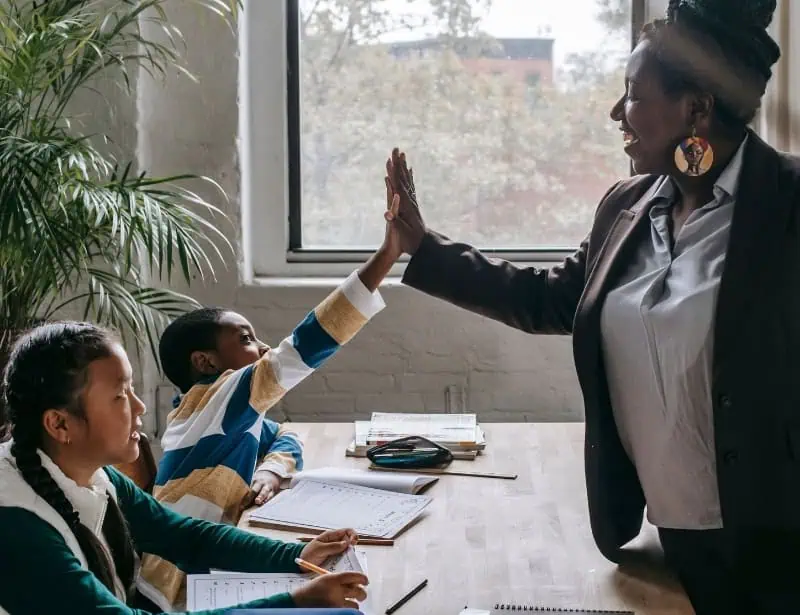
- Host reading circles.
- Display student work prominently.
- Arrange brief author visits if budget allows.
- Try 15-minute writing sprints with weird prompts.
Community Programs
- Libraries work well for this. Set up writing stations with different materials.
- Host mini-workshops on poetry or graphic novels.
- Create anonymous sharing boards where kids feel safe.
Individual Writers
- Start a story idea that children will enjoy
- Share your writing experience and process with kids
Different Ages Need Different Methods
Early elementary writers need celebration of effort over perfection. Ask genuine questions about their imagination. Focus on ideas rather than spelling mistakes.
Middle grade writers benefit from specific positive feedback. They're developing voice, so celebrate unique perspectives and creative risks without overwhelming them with technical stuff.
And high school writers respond to recognition differently. Acknowledge the themes they explore. Connect their work to published authors with similar styles.
Making It Count
Document participation through photos or writer testimonials. Share encouraging messages using celebration hashtags. Set annual calendar reminders; consistent support requires planning.
Beyond this single day, connect to year-round writing communities and virtual programs. One day of encouragement can spark lifelong practice.
Real practice. The effect? Young writers start believing their voices matter.
Support similar advocacies by saving National Tell a Story Day and National Coloring Book Day in your calendars.
Resources:
FAQs (Frequently Asked Questions)
Notebooks work best, but anything that holds words counts. Colored pens make it fun. Index cards help with writing prompts. A timer keeps sessions short and manageable. Digital tools? Sure—basic word processors or note apps work fine. Voice recording helps kids who aren't writing yet. Beyond this, you're removing barriers, not building perfect writing stations. Many families use napkins, phone notes, or whatever the library loans out.
Video calls with shared prompts work well for families spread out. Try collaborative documents where everyone adds a paragraph to the same story. Social media challenges using event hashtags connect writers everywhere. This suggests broader community than just household celebration. Libraries run virtual workshops on April 10. Apps like Flipgrid let young writers share stories safely. Time zones matter—coordinate so extended family can join together.
Start smaller. Remove all pressure first. Instead of "write something," ask what characters they'd put in their favorite movie. Jot down their ideas yourself. Focus on imagination, not mechanics. Some kids respond better to comics or text messages. Others prefer talking stories while you write them down. And sometimes they just need different timing. The goal? Engagement over perfect writing.
Watch for immediate signs. Do they share ideas more freely? Ask for writing materials unprompted? Mention stories during regular conversation? This relates to confidence, not skill level. Longer-term indicators include keeping journals, storytelling during play, or wanting books like what they wrote. Since 2010, research points to enthusiasm and frequency as better measures than writing quality improvements.
Keep their April 10 writing somewhere visible. Schedule brief weekly writing conversations—not formal sessions. Connect them with age-appropriate writing communities or pen pal programs through local libraries. Some families do monthly "story sharing" dinners. In practice, consistency beats intensity. Small, regular recognition maintains momentum better than occasional big events. Today's follow-up shapes tomorrow's writers.
Barbara is a former journalist who is passionate about translating important causes into engaging narratives. She combines communication expertise with an environmental science background to create accessible, fact-driven content.
