
National Bible Week: Thanksgiving Faith Tradition

National Bible Week marks America's 83rd annual spiritual observance during Thanksgiving week. When Pearl Harbor was attacked in 1941, President Franklin Roosevelt established this tradition, spanning Sunday before through Sunday after.
The National Bible Association now coordinates this interfaith initiative.
This differs from the single-day National Bible Day. Roosevelt's original vision emphasized Bible literacy during crisis; his timing connects spiritual reflection with America's gratitude season across denominational boundaries.
What role might Bible reading play during your family's Thanksgiving week?
Key Info: National Bible Week
- When is National Bible Week?
Observed annually during the week of Thanksgiving in the United States, specifically from the Sunday before Thanksgiving through the Sunday after Thanksgiving, spanning approximately 8 days across two calendar weeks -
Additional Details
- Observed By: Christians, churches, schools, and community groups across denominations
- Where Is It Observed: United States
- Primary Theme: Bible Reading And Appreciation
- Hashtags: #NationalBibleWeek #BibleReading #BibleStudy #Thanksgiving #Scripture #Faith #BibleAppreciation
Quick Links: National Bible Week
The Purpose Behind America's Bible Week
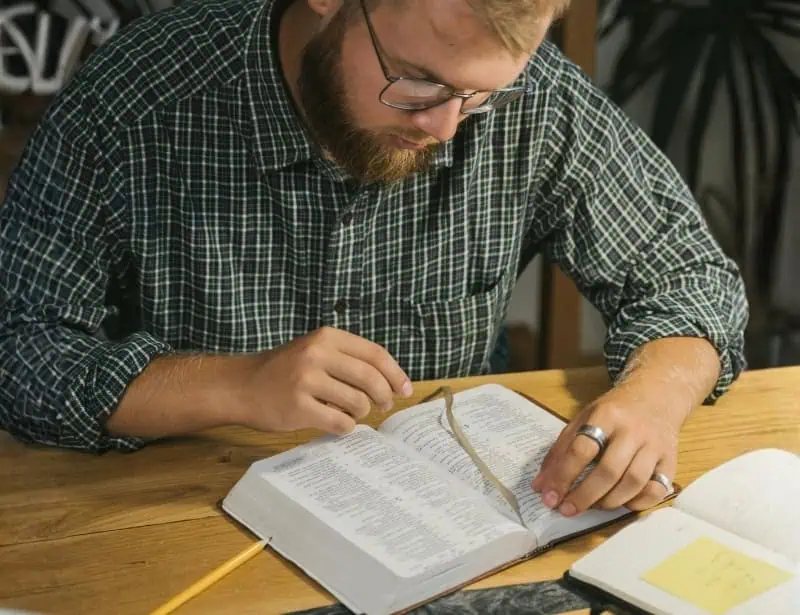
Bible literacy drives the founding mission established during wartime uncertainty. Business leaders in New York formed the National Bible Association in 1940. They recognized Scripture's moral guidance during a crisis.
Their interfaith vision included Protestant, Catholic, and Jewish members with one simple mission: "Encourage Everyone to Read the Bible...whatever version."
Pearl Harbor's December 7th attack created powerful symbolism. NBC continued scheduled Bible readings between Pearl Harbor bulletins throughout that tragic day. Americans turned to sacred texts during a national emergency.
Modern observance maintains this interfaith foundation while promoting spiritual awareness across diverse faith traditions.
Eight Decades of Presidential Tradition
Every U.S. President since Roosevelt has declared National Bible Week through official proclamation. This unbroken bipartisan chain spans eight decades. The tradition evolved from wartime spiritual fortification to celebrating religious freedom.
Roosevelt personally championed Bible distribution before its formal establishment. His January 1941 military New Testament prologue stated: "As Commander-in-Chief, I take pleasure in commending the reading of the Bible to all who serve in the armed forces."
Beyond this, the timeline shows clear consistency:
President Roosevelt declares first National Bible Week for December 8-14
Pearl Harbor attack shifts observance to Thanksgiving week permanently
Unbroken tradition of annual presidential proclamations
Supported by major Christian denominations and interfaith organizations
Your Guide to Meaningful Participation
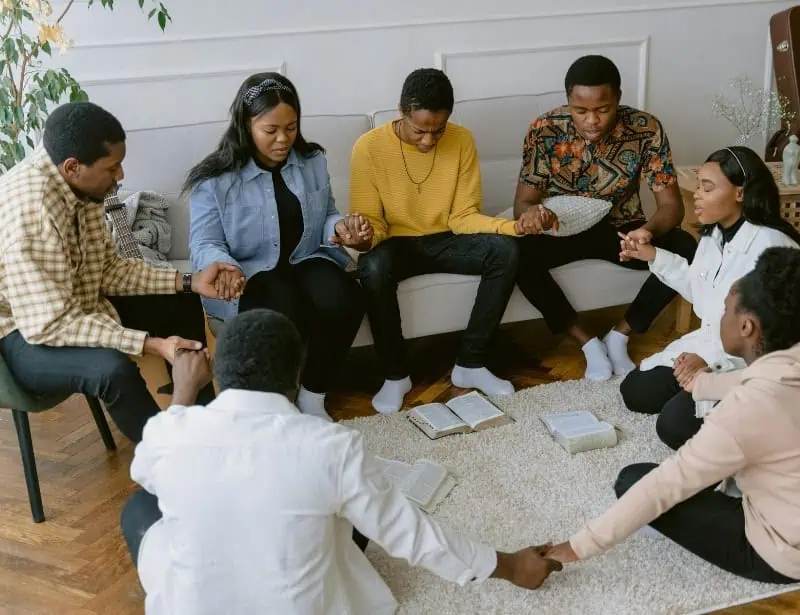
Personal Scripture reading builds an important spiritual practice. Start with 15-minute daily commitments during Thanksgiving week. Here are other ways to build your Bible-reading habit this week.
Family Engagement:
Morning devotions work well. Brief readings before Thanksgiving meal prep begins. Link biblical passages with thanksgiving themes during conversations.
Try age-appropriate biblical narratives during family time, and learn meaningful verses together.
Church Programming:
Special worship services focus on Scripture-focused celebrations. Community study groups offer intensive biblical exploration sessions 2-3 times during the week.
Public readings bring neighborhoods together for Scripture recitation events. Service projects put biblical values into community action.
Lifeway research shows Bible study group participants achieve higher human flourishing scores, averaging 7.9, compared to non-participants. Community engagement builds individual spiritual growth.
Digital participation matters too. Share favorite verses through social media. Join online study groups. Stream special National Bible Week services.
Themes That Unite Believers Across Traditions
Scripture appreciation crosses differences through universal spiritual themes. Hope, redemption, and moral guidance connect across cultural contexts during National Bible Week celebrations.
Recent data reveals dramatic generational shifts in Bible engagement. Barna Group research shows Gen Z weekly reading increased from 30% to 49% within one year.
Younger Americans now drive renewed Scripture interest, reversing historical patterns.
This relates to broader spiritual hunger. International Day of the Bible opens ceremonial proceedings globally, creating worldwide awareness while maintaining local community focus.
Biblical wisdom connects diverse faith communities through shared heritage values.
Join the Movement This Thanksgiving Week
Local churches welcome newcomers during National Bible Week programming. Personal commitment begins with simple reading goals accessible regardless of prior biblical knowledge.
Recent American Bible Society data shows 38% of adults now qualify as "Bible Users," representing significant growth from previous lows. Weekly Bible reading among all U.S. adults reached 42%, a 12-point increase indicating renewed spiritual hunger.
Your participation adds to this growing movement.
Resources:
FAQs (Frequently Asked Questions)
National Bible Week 2024 starts Sunday, November 24th and ends Sunday, December 1st. The timing connects to Thanksgiving - it begins the Sunday before and wraps up the Sunday after. This creates an 8-day stretch that includes America's main gratitude holiday. The dates shift each year with Thanksgiving, keeping the same relationship to family gatherings that started back in 1941.
The National Bible Association coordinates the basic framework, but each denomination adds their own flavor. Catholic parishes bring in Lectio Divina meditation and weave Scripture into their regular worship patterns. Protestant churches often launch study series using their preferred materials. Orthodox communities might sync their readings with their church calendar. Still, the core activities stay the same across all groups - reading together, community study, family devotions. This reflects what organizers intended from the start in 1941.
Most sources point to churches and community groups as the main organizers, with general encouragement for families to read together. But they don't identify specific publishers or organizations creating curated reading plans for different ages. Parents would need to reach out to their local church, contact the National Bible Association directly, or search religious education websites beyond basic National Bible Week information.
National Bible Week runs 8 days during Thanksgiving week and represents America's longest biblical tradition since 1941. International Day of the Bible happens on the second Sunday in December worldwide - just one day that actually helps launch America's week-long version. National Bible Day refers to various single-day events in different countries throughout the year. The important difference: National Bible Week's extended format allows sustained spiritual engagement and community programming during America's gratitude season. The single-day versions focus more on awareness and celebration.
The 1941 founders included Jewish leaders who recognized shared Hebrew Scripture heritage. Today, universities often offer academic Bible study during this week, focusing on literature, history, and cultural impact rather than religious doctrine. Community interfaith groups organize discussions around biblical themes like compassion, justice, and service - values that cross religious lines. Non-Christians can engage through historical study, literary appreciation, or cultural education while respecting the spiritual focus that drives most participants.
Barbara is a former journalist who is passionate about translating important causes into engaging narratives. She combines communication expertise with an environmental science background to create accessible, fact-driven content.
