World Wildlife Conservation Day: Save Endangered Species

December 4th marks World Wildlife Conservation Day. Hillary Clinton launched this effort in 2012 while serving as U.S. Secretary of State through her "Wildlife Trafficking and Conservation: A Call to Action" event.
This day targets a specific problem—unlike UN World Wildlife Day in March, December 4th zeroes in on trafficking and poaching networks. The difference matters; one celebrates, the other fights back.
Key Info: World Wildlife Conservation Day
- When is World Wildlife Conservation Day?
Occurs annually on the 4th of December - This Year (2026):
Friday, December 4, 2026 -
Future Dates
- Saturday, December 4, 2027
- Monday, December 4, 2028
- Tuesday, December 4, 2029
-
Additional Details
- Observed By: Conservation organizations, educational institutions, wildlife protection agencies, environmental advocacy groups
- Where Is It Observed: United States
- Primary Theme: Wildlife Conservation And Protection
- Hashtags: #WorldWildlifeConservationDay #WildlifeConservation #EndangeredSpecies #StopWildlifeTrafficking #ConservationAwareness #ProtectWildlife
Quick Links: World Wildlife Conservation Day
Why This Crisis Demands Action Now

Wildlife populations crashed 73% between 1970 and 2020 across monitored species[1]. Over 1 million species face extinction threats. These aren't just numbers on a page—they represent entire ecosystems collapsing.
Criminal networks run wildlife trafficking like any other organized crime. The illegal trade generates roughly $20 billion annually and impacts around 4,000 plant and animal species from 162 countries[2].
As WWF's Leigh Henry warns: "Illegal trade remains the greatest immediate threat to wild tigers."
But here's what most people miss: this isn't just about cute animals. When trafficking networks operate freely, they undermine local communities and fund other criminal activities.
Focus Areas That Actually Work
Four core priorities drive December 4th work. Extinction prevention anchors everything else; endangered species protection provides the framework. Anti-poaching enforcement teams up with trafficking awareness campaigns.
This approach stays consistent year after year. While other wildlife events rotate themes, December 4th maintains laser focus on immediate threats.
Criminal networks adapt quickly to gaps in attention—consistent messaging prevents that. Organizations coordinate their December campaigns around these unchanging priorities; habitat preservation supports all four areas through clear connection strategies.
Key Moments:
Hillary Clinton establishes the day as Secretary of State effort
First coordinated work through protection groups and schools
Social media campaigns expand reach with hashtag coordination
International organizations adopt aligned messaging
Virtual participation develops during pandemic restrictions
Perfect timing changes everything.
Getting Involved: Real Ways to Help

December 4th offers several ways to contribute immediately:
Digital Action: Share trafficking facts, biodiversity conservation strategies, and positive wildlife news using official hashtags.
Money Matters: Donate to anti-poaching programs or habitat protection on December 4th specifically.
Local Engagement: Visit accredited zoos hosting special programming—many offer behind-the-scenes conservation talks.
Smart Choices: Audit household products for wildlife-derived ingredients and switch to certified alternatives.
Community Building: Organize workplace presentations about regional endangered species. Join citizen science projects tracking local populations.
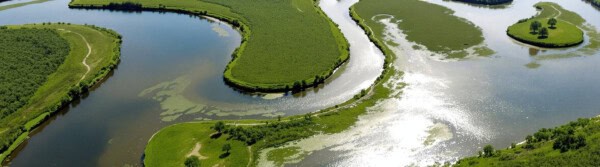
Lobbying Policymakers: Encourage authorities to create programs protecting wildlife. One example to push is the wildlife corridors, like the one pictured above.
Who Leads This Movement
U.S. conservation organizations anchor World Wildlife Conservation Day networks. Protection agencies work with schools and universities nationwide.
Dr. Susan Lieberman of Wildlife Protection Society explains: "The adoption of coordinated awareness is an essential step to bring global attention to wildlife trafficking—an urgent, but often overlooked, crisis."
International groups join through aligned campaigns rather than duplicate work. This prevents message confusion while expanding the December 4th impact across different regions and protection priorities.
The strategy works because it builds on existing networks instead of competing with them.
Resources:
FAQs (Frequently Asked Questions)
World Wildlife Conservation Day isn't a federal holiday. Hillary Clinton established it in 2012 as Secretary of State, focusing on wildlife extinction and trafficking awareness. Government offices stay open since it's an observance, not a statutory holiday. The UN runs World Wildlife Day on March 3rd. Both days celebrate wild animals and plants, but they work differently.
World Wildlife Conservation Day sticks to the same 4 areas every year: stopping extinction, protecting endangered species, fighting poaching, and stopping trafficking. The UN's March event changes themes annually, but December 4th keeps consistent messaging. This prevents criminal networks from finding gaps in attention. Organizations build stronger awareness over time instead of starting fresh each December.
International groups coordinate December 4th activities that match the same priorities. They focus on regional wildlife challenges while supporting core U.S. goals. This means sharing trafficking data for local species and connecting with U.S. organizations for joint messaging. The approach prevents confusion while expanding global reach. Anti-poaching programs in affected regions often align their December activities with the observance.
Organizations need 60-90 days for solid December 4th planning. Key steps include coordinating with anti-trafficking programs for data sharing and developing content about endangered species in their regions. Social media campaigns work best when scheduled around the 4 core priorities. Donation matching programs specifically for December 4th generate more impact. Early coordination beats last-minute scrambling and builds proper awareness leading up to the date.
Tracking real conservation impact requires baseline metrics before taking action. The World Wildlife Fund developed monitoring frameworks that work well. After your conservation work, you compare results against those starting numbers. The Wildlife Conservation Society uses satellite tracking, acoustic monitoring, and remote sensing tools to show actual changes in wildlife populations and habitat conditions. Data collection before and after your efforts proves whether biodiversity actually improved.
Sources & References
- [1]
- World Wildlife Fund.(2024).Living Planet Report 2024. (2024).
↩ - [2]
- United Nations Office on Drugs and Crime. (2024). World Wildlife Crime Report 2024: Trafficking in protected species. Vienna: UNODC.
↩ - [3]
- Langhammer, P. F., et al. (2024). The positive impact of conservation action. Science, 384(6694).
↩
Barbara is a former journalist who is passionate about translating important causes into engaging narratives. She combines communication expertise with an environmental science background to create accessible, fact-driven content.
