Nature Photography Day: Through the Conservation Lens

June 15 marks Nature Photography Day each year. The North American Nature Photography Association (NANPA) launched it back in 2006. They wanted more than just another day for pretty pictures. The real goal? Getting people to use their cameras to protect wild places. Beyond showcasing beauty, these images drive conservation work. Photography connects us to environmental issues in ways that statistics can't.
Shirley Nuhn, who chairs NANPA's History Committee, fought to get the day officially recognized in Chase's Calendar of Events. And what started as a simple observance now turns ordinary folks with cameras into advocates for the natural world.
Key Info: Nature Photography Day
- When is Nature Photography Day?
Occurs annually on the 15th of June - This Year (2026):
Monday, June 15, 2026 (date has passed) - Official Website: North American Nature Photography Association
-
Future Dates
- Tuesday, June 15, 2027
- Thursday, June 15, 2028
- Friday, June 15, 2029
- Saturday, June 15, 2030
-
Additional Details
- Observed By: Professional and amateur photographers, nature enthusiasts, and conservation organizations worldwide
- Where Is It Observed: International
- Primary Theme: Nature Photography And Conservation
- Hashtags: #NaturePhotographyDay #NaturePhotography #NANPA #WildlifePhotography #ConservationPhotography
Quick Links: Nature Photography Day
The Origins and Purpose of Nature Photography Day
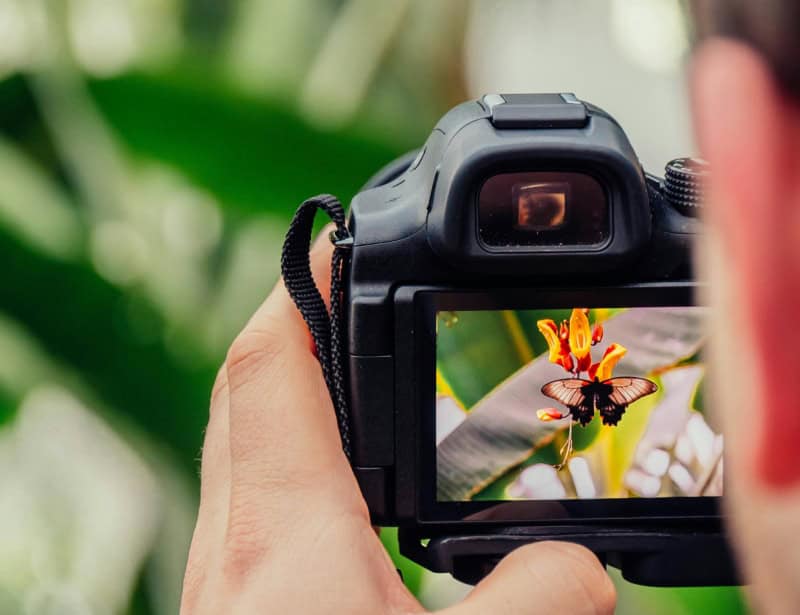
NANPA's founders saw something others missed—cameras could save ecosystems. In 2006, they created a day distinct from the broader World Photography Day held in August. Nature photography serves a dual role. First, it documents what exists. Then it motivates people to protect it.
This wasn't random. NANPA designed this day to bridge art with environmental action. Their approach transformed hobbyists into citizen scientists. This clear connection between creativity and conservation explains why the day remains relevant.
Timeline of Nature Photography Day Evolution
NANPA establishes first official Nature Photography Day
Added social media components—before Instagram was even a thing
Shifted focus to get youth behind the viewfinder
10th anniversary saw participation spread internationally
Pandemic forced a pivot to virtual events and online galleries
Renewed push connecting photography with climate awareness
How Nature Photography Supports Conservation
Photos turn abstract environmental threats into something tangible. When we see a melting glacier or a clear-cut forest, it becomes more real for us. Photos freeze moments that spark action. No other medium bridges emotional response and scientific documentation so effectively.
Art Wolfe, who's spent decades as a conservation photographer, puts it this way: "Photography is a powerful medium because it not only shows what is there, but it also suggests what is possible." A single frame can reveal both destruction and beauty worth fighting for.
Ways to Celebrate Nature Photography Day
Individual Activities
- Head out at dawn for golden hour shots at your local park
- Get your macro lens out—or just your phone—for backyard insects
- Join the NANPA BioBlitz through iNaturalist's user-friendly platform
- Post your best shots with #NaturePhotographyDay
- Check NANPA's ethical guidelines before you trek out—respect comes first
Community Involvement
- Rally some friends for sunrise shooting—the light's worth the early alarm
- Help local conservation groups that need visual data—they're often short-staffed
- Drop by nature centers offering workshops on wildlife photography techniques
- Set up a small exhibit featuring neighborhood green spaces
- Take some kids out shooting—they see things our adult eyes miss
Digital Participation
- Catch a webinar about ethical wildlife approaches—no baiting or disturbing nests
- Participate in NANPA's competitions or organize your own BioBlitz.
- Follow conservation photographers on social—they need the audience
- Upload your observations to science databases, such as iNaturalist
- Create seasonal galleries showing how your local spots change through the year
Essential Equipment and Techniques for Nature Photography
Starting out doesn't require remortgaging your house for gear. Most smartphones now pack enough punch for decent nature shots. A basic tripod helps in low light—nothing fancy needed. Patience beats expensive lenses when shooting wildlife. Show up early; morning light has warmth no filter can fake.
Ethics matter more than getting the perfect shot. All nature lovers, from photographers to researchers, have adopted the Leave No Trace principles in the field. These guidelines help photographers document without damaging. How close is too close to wildlife? If the animal changes behavior, you're too close.
Don't trample delicate plants for a better angle. Sometimes it's better to skip the geotag on rare species. This suggests that good practices ensure we preserve what we photograph.
The Educational Power of Nature Photography

Kids change when you put cameras in their hands. Research in the Journal of Outdoor and Environmental Education supports this finding—hands-on outdoor activities, specifically nature photography, spark discussion and action on environmental issues among students[1].
Young photographers develop observation skills that transfer directly to scientific thinking. The act of looking, really looking, creates learning that sticks.
One strong image teaches more than pages of text ever could. For kids with different learning styles, this visual approach makes complex environmental concepts click.
But there's a wrinkle here. Getting kids outdoors with cameras isn't just about learning—it's about reconnecting with a natural world many rarely experience.
Conclusion: Taking Action Beyond Nature Photography Day
June 15 offers just a starting point. Year-round documentation supports conservation groups that need evidence of changing ecosystems. Your images hold power beyond looking good on Instagram. They record landscapes that might not exist for the next generation. They create emotional connections to places worth saving.
Photography turns passive scrolling into active participation. For a moment, put down this article. Grab your camera—whatever you have—and look closely at something natural nearby. Even a weed pushing through sidewalk cracks tells a story.
Gouri Prakash, who won an award in NANPA's 2021 Bioblitz, describes it perfectly: "Pursuit of nature photography enables me to discover (and occasionally capture) these insightful moments that often take my breath away." The camera in your hand might just help save what's in front of your lens.
Resources:
FAQs (Frequently Asked Questions)
Start with Aperture Priority mode - f/8 works for wide landscapes while f/2.8-f/4 lets you highlight wildlife with blurred backgrounds. Keep ISO under 400 when the light's good. Switch to continuous autofocus when animals or birds move around. Beyond this, shoot in RAW format since it gives you more editing options later. A tripod makes the biggest difference for sharp images, especially when light fades. The right settings change with conditions, but these basics get you started.
Nature centers and wildlife refuges often run photography workshops - check what's happening at places managed by U.S. Fish & Wildlife Service. This relates to timing too, since June 15th marks the official Nature Photography Day. Eventbrite sometimes lists pop-up events worth checking. Since 2020, more photography groups connect through Facebook and community boards. And don't overlook your local camera shop, where staff usually know which groups welcome newcomers for field trips.
Wildlife photography creates real conservation effects. A 2025 People and Nature study found images that tell stories about specific places lead to more public action. This suggests why Carleton Watkins' 1800s Yosemite Valley photos helped establish our national park system. Today, platforms like iNaturalist transform regular people's photos into scientific data. The Wildlife Habitat Council points to cases where industrial sites changed land management after photo documentation showed unexpected wildlife presence. Sometimes a single powerful image shifts public opinion more than statistics alone.
Teachers find BioBlitz activities work well - students photograph and identify as many species as possible in a set time. Photo journals tracking seasonal changes connect science with visual skills. This connects to digital storytelling projects where students document local ecosystem stories. In practice, visual documentation for citizen science gives students real-world purpose. Research from 32 classrooms shows environmental literacy scores jump by nearly a third when photography becomes part of regular lessons. When students take and discuss nature photos, they notice details they'd otherwise miss.
Sources & References
- [1]
- Malik, H. (2024). Nature photography: A spark for discussion and action on environmental issues. Journal of Outdoor and Environmental Education.
↩
Barbara is a former journalist who is passionate about translating important causes into engaging narratives. She combines communication expertise with an environmental science background to create accessible, fact-driven content.