
International Squirrel Appreciation Day: How To Celebrate

International Squirrel Appreciation Day happens every January 21st. Christy Hargrove started this whole thing in 2001 while working as a wildlife rehab specialist in Asheville, North Carolina. She wanted people to have better relationships with squirrels through feeding them and just appreciating what they do.
Wildlife rehab centers across North America say about 40% of animals come in because of human-related problems. That makes appreciation days like this more important than you might think.
Beyond this, the timing works perfectly. January hits when squirrel food stores run low, and they're stressed about finding enough to eat.
Simple awareness creates real benefits for wildlife.
Key Info: International Squirrel Appreciation Day
- When is International Squirrel Appreciation Day?
Occurs annually on the 21st of January - This Year (2026):
Wednesday, January 21, 2026 (date has passed) -
Future Dates
- Thursday, January 21, 2027
- Friday, January 21, 2028
- Sunday, January 21, 2029
- Monday, January 21, 2030
-
Additional Details
- Observed By: Wildlife enthusiasts, nature lovers, and communities across multiple continents
- Where Is It Observed: International
- Primary Theme: Wildlife Appreciation And Conservation
- Hashtags: #SquirrelAppreciationDay #SquirrelLove #WildlifeAppreciation #SquirrelPositivity #NatureLovers #WildlifeConservation #SquirrelWatch
Quick Links: International Squirrel Appreciation Day
Why This Day Creates Lasting Impact
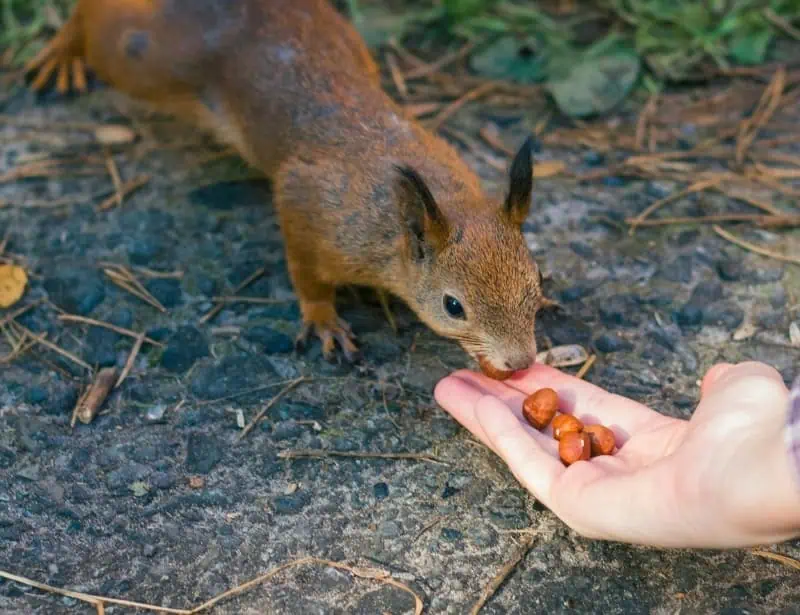
This grassroots thing grew from one wildlife specialist's idea into something that now reaches communities worldwide. It spreads naturally through neighborhoods without any big organization or corporate money behind it.
Local people drive everything; families build feeding stations while schools organize watching activities. Camera trap studies in St. Louis show way higher urban squirrel numbers compared to suburban areas. Urban spots actually support red squirrel densities of 4.24 individuals per 10-kilometer transect versus only 1.43 in forests[1]. This data changes how we think about wildlife living alongside humans.
What wildlife issue in your area could use this kind of grassroots push? Social media takes individual efforts and turns them into collective awareness that lasts longer than traditional top-down campaigns.
The Christy Hargrove Story and Expansion
Christy Hargrove created Squirrel Appreciation Day in 2001 during her freshman year at UNC-Asheville. She worked with the Western North Carolina Nature Center.
Her wildlife rehabilitation background inspired her to encourage "squirrel positivity" through simple feeding activities. She picked January 21st to target winter's worst cold when dietary stress peaks.
Since 2001, the day has spread organically without a formal structure. Social media accelerated international adoption across regions and cultures.
And this approach shows how individual wildlife specialists can spark global conservation movements without central authority or controlled messaging.
Creative Ways to Celebrate January 21st
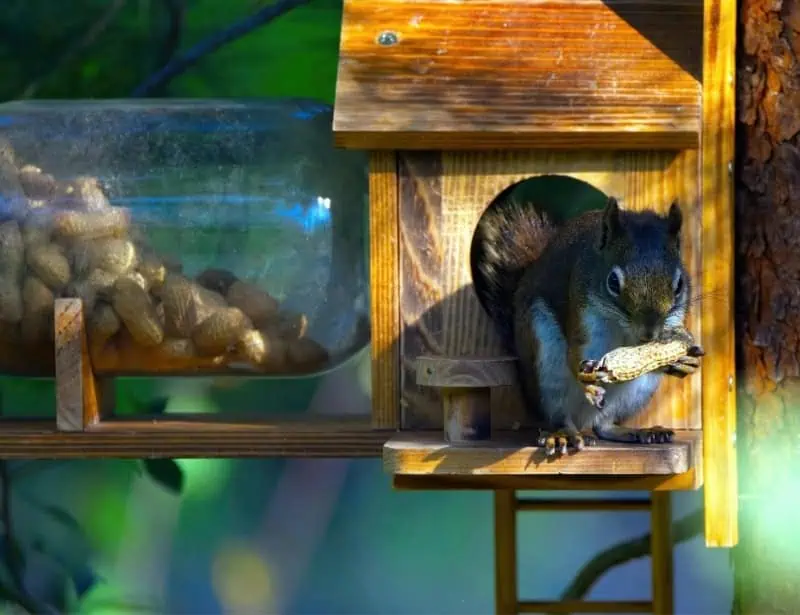
Start with basics:
- Create feeding stations using unsalted nuts, seeds, and fresh fruits in safe outdoor spots.
- Spend 15-30 minutes watching local squirrel behaviors and taking notes.
- Learn your regional squirrel species through field guides and wildlife apps.
Family activities that work:
- Build winter shelters using natural materials to help with survival needs. Research local tree ecology to understand which species support neighborhood populations.
- Share photos of local squirrels across social platforms.
- Visit educational centers offering wildlife appreciation programs.
Community efforts make bigger impact:
- Organize group observation walks in local parks.
- Partner with wildlife organizations supporting habitat enhancement.
- Host educational presentations about urban wildlife coexistence strategies.
Core Messages That Drive Participation
Wildlife stewardship doesn't have to be complicated or expensive. Participation costs under ten dollars for feeding stations; observation activities just need time and attention.
Here's something that will make you appreciate these adorable rodents. Many of their forgotten or abandoned seeds and nuts grow into new plants. This "accidental planting" drives forest regeneration across multiple continents.
Understanding this shifts appreciation beyond simple feeding toward thoughtful coexistence.
Flexible participation encourages year-round conservation habits extending far beyond single-day observance.
Transform Your January 21st Experience
Research local squirrel species beforehand through regional wildlife resources. Identify safe feeding locations away from predators and traffic hazards. Purchase the appropriate food supplies several days in advance to ensure availability.
Connect with local wildlife organizations to amplify individual efforts; many nature centers coordinate January programming aligned with appreciation themes.
Social media amplification extends personal celebration through community networks. Over 200 distinct squirrel species exist worldwide, many facing habitat pressure from development and climate change.
Your January 21st experience becomes a gateway to sustained environmental advocacy.
Celebrate all wild animals by saving World Wildlife Conservation Day in your calendars.
Resources:
FAQs (Frequently Asked Questions)
They're the same holiday with different names. Christy Hargrove created this celebration in 2001 for January 21st. People call it National Squirrel Appreciation Day, International Squirrel Day, or World Squirrel Day - but it's one event. The day focuses on appreciating these animals and their role in nature.
Students can start squirrel watching journals a week before January 21st. Teachers set up "Build a Winter Shelter" projects using sticks and leaves from the playground. What works best for learning? Field guide sessions help kids identify local species. Many schools connect with nature centers for online talks or plan morning observation walks when squirrels are most active.
Winter hits squirrels hardest in late January. Their buried nuts from fall are mostly gone or forgotten by then. Christy Hargrove picked this date because squirrels face their toughest survival challenge. Cold weather drains their energy while food runs low. This timing encourages people to help when squirrels need it most.
Skip the salted nuts, chocolate, and human snacks - they mess up squirrel digestion. Don't hand-feed them since this creates dependency and bite risks. Avoid putting food near busy roads or where predators hunt. And check with local wildlife folks first - some areas have too many squirrels already.
City dwellers can visit parks with appropriate nuts for feeding. Take photos of urban squirrel behaviors or support wildlife groups through donations and social sharing. Beyond this, many join community observation walks or volunteer at wildlife rehab centers. Learning about local squirrel species online counts too. These centers need extra winter help.
Sources & References
- [1]
- Jokimäki, J., Selonen, V., Lehikoinen, A., & Kaisanlahti-Jokimäki, M. (2017). The role of urban habitats in the abundance of red squirrels (Sciurus vulgaris, L.) in Finland. Urban Forestry & Urban Greening, 27, 100–108.
↩
Barbara is a former journalist who is passionate about translating important causes into engaging narratives. She combines communication expertise with an environmental science background to create accessible, fact-driven content.
