
International Polar Bear Day: Protecting Our Arctic Bears
Celebrated on February 27, International Polar Bear Day marks the season when polar bear moms stay cocooned in dens with their cubs. Organized by the nonprofit group Polar Bears International, the day focuses on climate change's effects, particularly in the Arctic.
The goal is to inspire actions to reduce greenhouse gasses and slow down polar ice melt. Our responsibility is clear - protect their habitat to ensure the marine mammals' survival.
Key Info: International Polar Bear Day
- When is International Polar Bear Day?
Occurs annually on the 27th of February - This Year (2026):
Friday, February 27, 2026 (date has passed) - Official Website: Polar Bears International
-
Future Dates
- Saturday, February 27, 2027
- Sunday, February 27, 2028
- Tuesday, February 27, 2029
- Wednesday, February 27, 2030
-
Additional Details
- Observed By: Conservation organizations, zoos, educational institutions, and environmental advocates worldwide
- Where Is It Observed: International
- Primary Theme: Arctic Wildlife Conservation
- Hashtags: #InternationalPolarBearDay #PolarBearDay #SaveTheArctic #ProtectTheArctic #PolarBears #ClimateAction
Quick links: International Polar Bear Day
Why International Polar Bear Day Matters
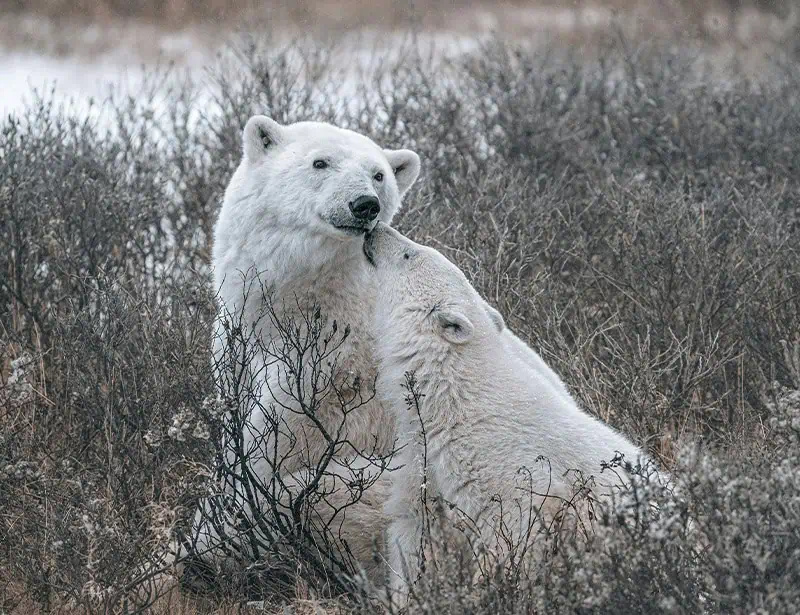
International Polar Bear Day is a nod to the big, ice-loving bears spread across the Arctic Ocean. But it's more than that - it spotlights the tough realities of climate change and global warming.
It's not ideal news: sea ice is lessening, changing how polar bears act and eat. This spells trouble for young and old bears. The human locals, like the Inuit, feel the pinch too. Their centuries-old bond with these sea creatures is at risk in this ecological crunch.
Fun Facts about Polar Bears
- Polar bears have black skin underneath their white fur to help them absorb and retain heat from the sun.
- They can swim up to 60 miles at a stretch, using their large front paws for propulsion and their back legs as rudders.
- Polar bears can smell seals up to a mile away and beneath a meter of compacted snow.
- Despite their size, polar bears can run up to 25 miles per hour on land.
- Polar bears do not hibernate. Instead, female polar bears enter a state of 'walking hibernation,’ where they continue to hunt and move around while pregnant.
- The most vulnerable period in a polar bear’s life is between birth and five years of age, known as denning. The need to protect denning families becomes more urgent in a warming Arctic.
Latest Conservation Data

The International Union for Conservation of Nature (IUCN) has continued to retain the vulnerable status of polar bears. There is also no best estimate for their population since they occur in low density in remote areas.
As Arctic sea ice dwindles, polar bears spend more time on land. Recent studies show a significant increase from merely 5-30% to 60-70 days annually. By 2040, this time spent ashore may increase to 90-126 days.
IUCN’s Polar Bear Specialist Group's latest report says that out of the 20 polar bear subpopulations, only two are increasing, five are stable, and three are decreasing based on a short-term change. The rest have insufficient data.
According to the National Snow and Ice Data Center. Arctic sea ice now consistently falls below 5 million square kilometers, unlike averages in the 1990s. This directly affects polar bears that rely heavily on this ice for hunting and breeding.
Conservation Initiatives
- Polar Bears International undertakes research, education, and action programs to understand, raise awareness of, and combat the threats facing polar bears.
- The Polar Bear Specialist Group (PBSG) is a network of researchers and managers dedicated to conserving polar bears. It provides scientific advice to decision-makers, conducts comprehensive assessments of polar bear populations, and promotes research to fill knowledge gaps about polar bears and their habitats.
- Arctic Wildlife Conservation Foundation protects and conserves Arctic wildlife, including polar bears, through research, education, and advocacy. It also works closely with local communities to ensure sustainable cohabitation.
- The U.S. Fish and Wildlife Service's Polar Bear Conservation Management Plan outlines actions to help polar bears survive in the wild in the face of rapidly declining sea ice. The plan focuses on reducing human-bear conflicts, managing subsistence harvest, protecting denning habitat, and minimizing the risk of contamination from oil spills.
- The World Wildlife Fund (WWF) runs the Global Arctic Programme, an initiative to preserve Arctic species, including polar bears. It works on reducing human-polar bear conflicts, protecting critical polar bear habitats, and advocating for climate change mitigation.
Brief Timeline of International Polar Bear Day
Polar Bears International (PBI) established February 27 as the International Polar Bear Day.
PBI launched the Thermostat Challenge on International Polar Bear Day, encouraging people worldwide to adjust their thermostats to reduce carbon emissions.
The event covered the broader impacts of climate change on the Arctic ecosystem. Polar Bears International and other organizations emphasize the interconnectedness of all Arctic wildlife.
Conclusion
On International Polar Bear Day, we spotlight the effects of climate change on these Arctic giants and their homes. As ice melts, polar bears face the danger of extinction.
By choosing to live sustainably and cutting down our carbon footprints, we can actively help to protect these bears and their home.
Resources:
FAQs (Frequently Asked Questions)
This annual event, held every February 27, aims to raise awareness about the conservation of polar bears and their Arctic habitat.
Polar bears play a crucial role in maintaining the balance of the Arctic ecosystem.
Climate change, habitat loss, pollution, and human-wildlife conflict threaten polar bears in the wild.
You can reduce your carbon footprint, support sustainable practices, and advocate for policies that protect the Arctic.
Visit reputable organizations such as Polar Bears International and the World Wildlife Fund to stay informed about ongoing polar bear conservation efforts.
Mike is a degree-qualified researcher and writer passionate about increasing global awareness about climate change and encouraging people to act collectively in resolving these issues.
Fact Checked By:
Isabela Sedano, BEng.
