
International Monkey Day: Save Endangered Primates

International Monkey Day hits December 14th each year. Casey Sorrow and Eric Millikin started this thing back in 2000 while studying art at Michigan State University. Sorrow just scribbled "Monkey Day" on a friend's calendar as a joke.
That random scribble turned into something bigger than anyone expected.
The holiday celebrates monkeys and apes, but also tackles a real problem. Two-thirds of all primate species now face extinction threats. What began as campus monkey business became serious protection work.
The Smithsonian Institution and National Geographic jumped on board. This mix of fun and urgent action makes the day work. Celebration turns into real conservation help when people connect it to species survival.
Key Info: International Monkey Day
- When is International Monkey Day?
Occurs annually on the 14th of December - This Year (2026):
Monday, December 14, 2026 -
Future Dates
- Tuesday, December 14, 2027
- Thursday, December 14, 2028
- Friday, December 14, 2029
-
Additional Details
- Observed By: Animal rights activists, conservationists, zoos, art institutions, and general public
- Where Is It Observed: International
- Primary Theme: Primate Conservation And Celebration
- Hashtags: #InternationalMonkeyDay #MonkeyDay #PrimateConservation #MonkeyBusiness #SavePrimates #EndangeredSpecies #MonkeyLove
Quick Links: International Monkey Day
The Real Crisis Behind the Costumes
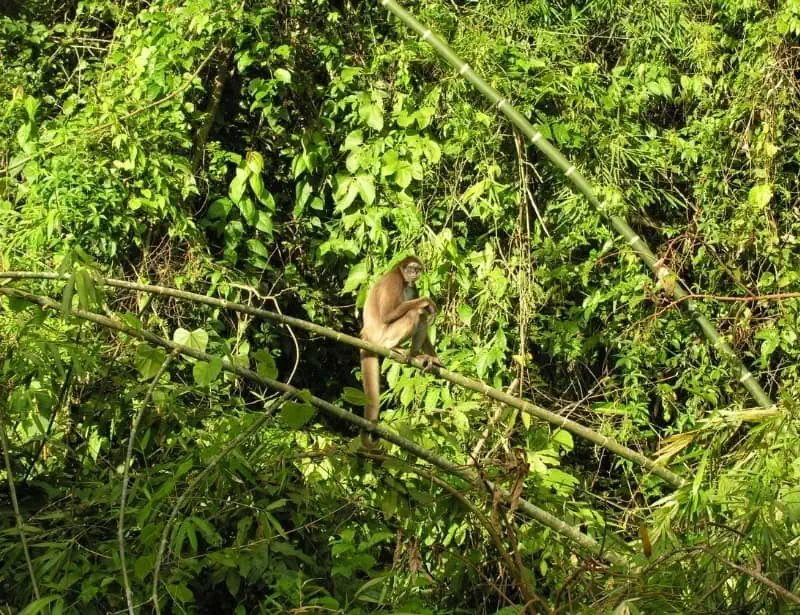
December 14th encourages monkey business for good reasons. Beyond the social media posts and zoo visits lies a conservation emergency.
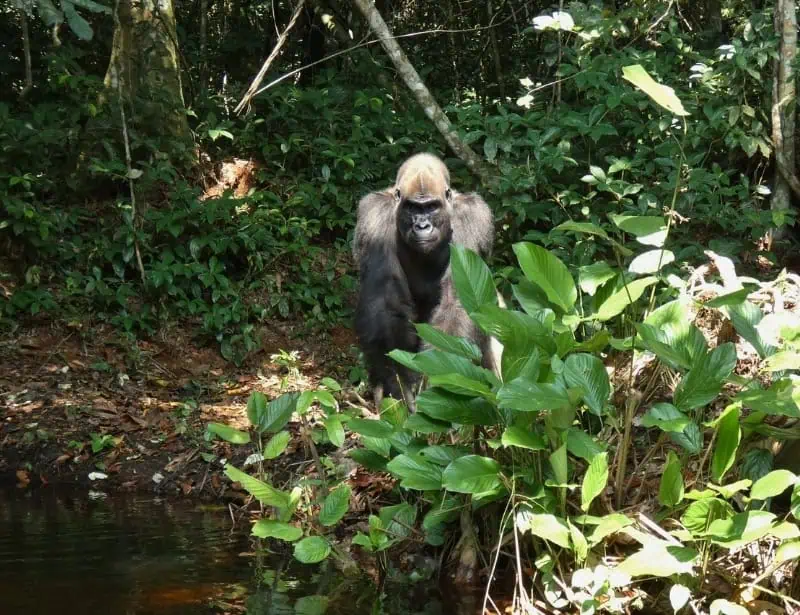
According to the IUCN/SSC Primate Specialist Group, great apes and gibbons face the highest risk, with 100% and 96% of their taxa endangered or critically endangered, respectively. Lemurs are in a catastrophic state; 95% of the species are threatened, and 71% are already critically endangered or endangered.
Monkeys comprise 68% of all primates, with 54% of taxa threatened globally. In Africa and Asia, 64% of monkeys are at risk, while 42% of Neotropical species face similar threats. Non-lemur prosimians also see nearly 50% population instability.
The world’s primates are standing on the precipice of a mass extinction event.
Your International Monkey Day participation creates a real global impact on protection. Individual actions build, then multiply across communities when awareness becomes advocacy.
But does celebrating actually help endangered species?
Ways to Mark International Monkey Day
Simple Steps
- Share primate photos on social media with #MonkeyDay tags
- Watch documentaries about monkey intelligence and behavior
- Visit local zoos to see primate exhibits and programs
- Wear monkey or ape costumes for workplace fun
- Learn monkey facts and different types of monkeys.
Community Action
- Set up educational screenings about endangered monkey species
- Host fundraising events for wildlife sanctuaries
- Create art projects inspired by primate protection themes
- Plan zoo group visits focusing on conservation programs
Protection Impact
- Donate directly to groups protecting monkey habitats
- Adopt endangered primates through conservation partnerships
- Support sustainable products that reduce farming pressure on forests
- Volunteer with local environmental groups
Global Recognition and Growth
International Monkey Day evolved from a university prank to a worldwide celebration. The Louvre Museum, the Metropolitan Museum of Art, and Hallmark Cards now take part. The Washington Post covers the celebration each year.
Jane Goodall became a key supporter of the day.
This recognition spans continents and cultures. Tallinn Zoo auctions artwork created by chimpanzees—the pieces actually sell well. The National Portrait Gallery in London features monkey-themed exhibitions during December.
Greenpeace coordinates global awareness campaigns around the date. Since 2000, educational communities have embraced International Monkey Day programming.
This cross-continental participation shows how humor unlocks conversations about protection that might otherwise feel too heavy.
Making Your Celebration Matter
Transform December 14th fun into year-round primate advocacy. Official Monkey Day resources connect participants with ongoing conservation partnerships.
High-impact actions include supporting habitat protection and species monitoring programs. Your participation creates measurable conservation outcomes when celebration becomes an ongoing commitment.
Resources:
FAQs (Frequently Asked Questions)
No central group runs Monkey Day. Wikipedia shows it's still unofficial despite efforts to get U.S. Congress recognition. There is a World Monkey Day website, but no formal backing exists. That said, major groups like Greenpeace and National Geographic support it. Zoos worldwide join in too.
Teachers use December 14th across subjects. Science classes study primate behavior and map habitats. Art projects focus on endangered species. English teachers assign primate books or creative writing. Math classes work with population data for practice. Many schools do dress-up days with fundraising for local zoos. Documentary screenings happen, followed by protection talks.
Monkey Day targets primates specifically on December 14th. World Wildlife Day covers all endangered species on March 3rd. This one started as campus fun that grew into conservation work. It keeps the playful "monkey business encouraged" spirit. UN animal days focus mainly on serious messaging. This celebration mixes costumes and community fun with education. It makes primate protection approachable through entertainment.
Companies host costume events and lunch talks about primate conservation. Teams volunteer at zoos or wildlife centers. Group zoo visits with education programs work well. Corporate programs run December 14th fundraising for primate groups. Marketing creates monkey content while promoting conservation. Employee matching gifts boost donations to sanctuaries. Some host art contests with proceeds supporting habitat protection.
Casey Sorrow runs his "Monkeys in the News" blog. Each Monkey Day he counts down top primate stories from the year. Eric Millikin creates ongoing artwork including his Danger Beast series since 2016. These show endangered animal portraits. Recent activities aren't well documented, but their creative work suggests they stay involved.
Barbara is a former journalist who is passionate about translating important causes into engaging narratives. She combines communication expertise with an environmental science background to create accessible, fact-driven content.
