International Animal Rights Day: Global Awareness Guide

December 10th marks International Animal Rights Day. Uncaged started this back in 1998—smart timing since it's also Human Rights Day's 50th anniversary. The connection wasn't accidental.
The Center for Animals and Social Justice handles coordination now. Animal advocates worldwide use this date for something bigger. They expose how industries systematically exploit animals.
December 10th creates real action momentum, not just awareness.
Key Info: International Animal Rights Day
- When is International Animal Rights Day?
Occurs annually on the 10th of December - This Year (2026):
Thursday, December 10, 2026 -
Future Dates
- Friday, December 10, 2027
- Sunday, December 10, 2028
- Monday, December 10, 2029
-
Additional Details
- Observed By: Animal rights organizations, activists, and advocates globally
- Where Is It Observed: International
- Primary Theme: Animal Rights Advocacy
- Hashtags: #AnimalRightsDay #AnimalRights #AnimalWelfare #AnimalAdvocacy #AnimalProtection #AnimalJustice #InternationalAnimalRightsDay
Quick Links: International Animal Rights Day
Why This Day Actually Changes Things

Here's what makes December 10th different: timing and coordination. While Human Rights Day gets global attention, animal rights advocates hijack that spotlight. Organizations worldwide launch investigations, release reports, and push for legislation.
This strategic approach works. Individual protests fade quickly, but unified global pressure shapes policy and forces industry accountability.
What makes coordinated action succeed where scattered efforts fail? Concentrated pressure creates sustained momentum that translates into legal reforms.
How International Animal Rights Day Evolved
The numbers drive urgency here. The UK's Animal Welfare (Sentience) Act 2022 formally recognizes vertebrate animals and certain invertebrates as sentient beings capable of experiencing pain and positive emotional states. This wasn't feel-good legislation. It serves as a model for other policymakers worldwide.
Since 1998, participation has exploded across continents. World Animal Protection, PETA, and Animal Ethics now coordinate globally around December 10th.
Peter Singer puts it clearly: "If a being suffers, there can be no moral justification for refusing to take that suffering into consideration." Industry data shows why that matters more than ever.
Here's a brief timeline of how the day evolved.
Timeline
| Year | Development |
|---|---|
| 1998 | Uncaged establishes International Animal Rights Day on Human Rights Day 50th anniversary |
| 2000s | Major international organizations adopt coordinated observance |
| 2010s | Social media campaigns expand global reach |
| Present | Decentralized networks coordinate worldwide advocacy |
Making Real Impact on December 10th
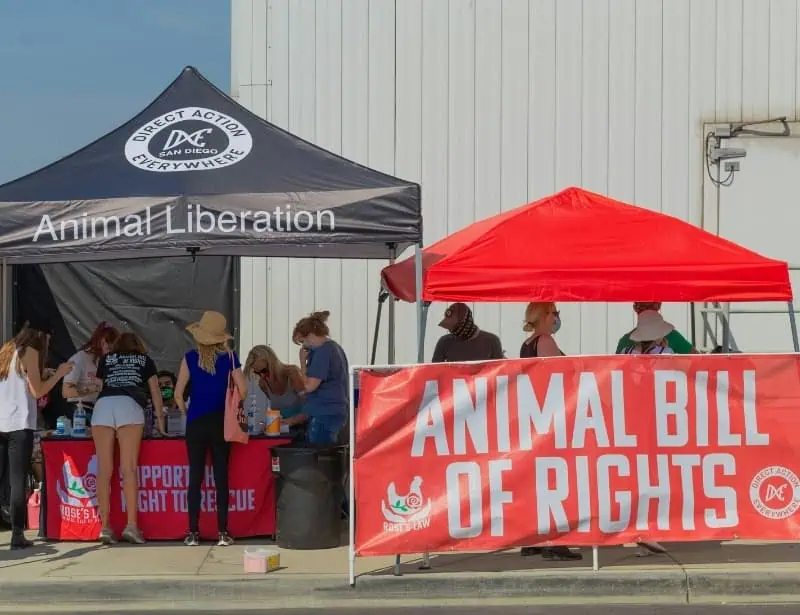
Direct action works best. Join local demonstrations connecting with regional groups. Host educational workshops about factory farming research. Launch fundraising for legal protection organizations.
Digital advocacy amplifies reach through coordinated social media campaigns using shared hashtags. But pair this with workplace discussions. Bring animal rights into professional spaces where change happens.
Target specific industries that respond to focused accountability pressure. Fashion, entertainment, and food companies all shift when faced with organized campaigns. Contact elected representatives about legislative improvements. Document local welfare violations and report them.
Education creates lasting change. Partner with schools for age-appropriate programs. Work with businesses on cruelty-free policies and purchasing decisions.
Core Messages That Unite Global Efforts
Animal welfare connects to human moral progress. That's the universal theme driving annual efforts worldwide.
The movement exposes hidden industry practices while pushing legal frameworks forward. Tom Regan argues animals are "subjects-of-a-life" with inherent value. These principles transcend yearly variations but maintain urgency through consistent messaging.
Legal recognition gains momentum globally. France reclassified animals from "movable property" to "living beings gifted with sentience" in 2015. New Zealand's Animal Welfare Amendment Bill followed similar paths. Recognition creates policy change.
Beyond December 10th
Year-round advocacy transforms one-day energy into sustained change. Personal lifestyle alignment with animal rights creates consistency between values and actions. Organizational involvement provides structured commitment opportunities.
Real change bridges December 10th energy into daily choices. Ongoing advocacy work sustains the movement between annual observances.
Fight for the voiceless all year long by observing World Vegan Day, World Animal Day, and other events specific to one animal.
Resources:
FAQs (Frequently Asked Questions)
No official recognition exists. Uncaged, a UK animal protection group, created this day in 1998. Animal rights activists keep pushing for international recognition through documents like the Universal Declaration of Animal Rights. But no major governing body has adopted these proposals. Individual countries are passing animal sentience laws on their own timeline.
International animal welfare leaders point to a clear pattern. December 10th raises awareness and shifts public attitudes. But year-round advocacy with data-driven strategies delivers measurable impact. The most effective organizations focus on scale of suffering and potential for change. They don't put all efforts into one annual event. International Animal Rights Day works best alongside ongoing advocacy.
Two different approaches drive these days. December 10th targets legal rights and systemic change. October 4th emphasizes welfare and conservation. December 10th aligns with Human Rights Day to position animals within rights frameworks. This leads to legislation-focused activities. October 4th connects to St. Francis and promotes general welfare awareness. PETA coordinates rights investigations for December, welfare campaigns for October.
No formal registration system exists. World Animal Protection recommends schools and businesses commemorate December 10th through educational workshops. Candlelight vigils work well. Pet microchipping drives create community impact. Supporting local animal shelters and promoting cruelty-free practices within operations helps too. Participation centers on raising awareness about animal sentience. The goal is inspiring policy changes through community engagement.
December 10th generates significant activism annually. Animal defense organizations organize events demanding legal reforms. But direct legislative impact remains hard to measure. Some countries have incorporated animal sentience into law. The UK passed the Animal Welfare (Sentience) Act in 2022. Whether these changes resulted from the day's advocacy or other factors stays unclear from current data.
Barbara is a former journalist who is passionate about translating important causes into engaging narratives. She combines communication expertise with an environmental science background to create accessible, fact-driven content.