
December 27th: National & International Days, Celebrations and Observances
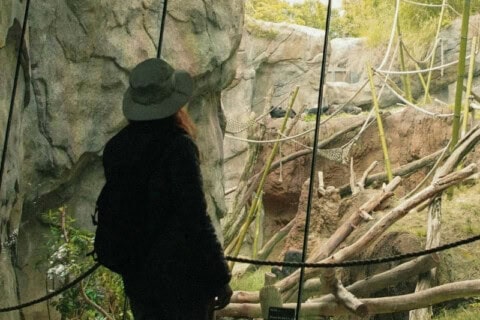
December 27 sees both indoor and outdoor winter pursuits. Local zoos keep visitors cozy in heated viewing areas to watch wildlife. Out in residential streets, bundled-up volunteers count birds, keeping records for their yearly winter survey.
As winter bugs make their rounds, the International Day of Epidemic Preparedness tackles real-world health concerns. The timing makes sense, given how cold months stress medical facilities.
Holiday traditions stay strong. Slices of fruitcake appear at gatherings, while many households maintain their meaningful Kwanzaa rituals.
The chilly weather doesn't stop nature lovers. A lucky few spot cardinals at backyard feeders. Others take shelter at the zoo, finding their own quiet moments with wildlife during these festive days.
December 27 features Visit the Zoo Day and National Fruitcake Day, plus International Day of Epidemic Preparedness. The date falls during Christmas Bird Count Week, Kwanzaa, and It's About Time Week. Local zoos and bird counts offer ways to connect with wildlife during winter.
December 27th: Quick Links
National Days and Awareness Events on December 27th

 Biodiversity
 Mind & Body
Awareness Weeks Including December 27th
 Mind & Body
4 Monthly Observances Across December

 Equality & Diversity
 Mind & Body
 Work & Skills
 Mind & Body
Make A Difference On December 27th
This December, local and national groups need extra hands. Small efforts add up, especially during the cold season.
- The Audubon Society's winter count needs backyard observers - anyone with a window view can help track bird populations. Local zoos are stretching year-end budgets too, offering reduced-price memberships that support their endangered species work.
- These shorter days hit some folks pretty hard. Sharing basic winter wellness tips makes sense - most people skip the obvious stuff. About those holiday sweets cluttering the kitchen? Skip the trash bin. Good bread pudding starts with leftover fruitcake, or the compost pile always needs feeding.
- Winter wildlife photographers do real science when they post their shots on iNaturalist. The Kwanzaa principle of Ujima teaches something valuable here - environmental care works best as a neighborhood effort.
- Check those emergency supplies in your closet. That extra blanket or can of soup? Your local aid groups know exactly who needs it. Write down a few practical green goals while you're at it - next year comes fast.
Did You Know? December 27th Facts and Historical Events
Three dates mark profound changes in science. When Darwin left Plymouth on the HMS Beagle that winter morning in 1831, no one predicted the impact. His work over the next five years filled collection boxes with natural treasures: rocks and preserved animals from Brazil and the Galapagos totaling nearly 7,000 samples. These specimens, meticulously cataloged, laid the groundwork for understanding evolution.
Mexican cavers stumbled upon something extraordinary in 1966. Their ropes dropped into darkness for 372 meters - a vertical pit so deep you could stack the Empire State Building inside it and still have room above.
The cave walls now echo with wing beats. Each morning, white-collared swifts and green parrots dive through its 333-meter entrance, returning at dusk in swooping spirals.
A flash lit up astronomers' instruments in 2004. The source, SGR 1806-20, sat 50,000 light-years away. In a mere tenth of a second, this cosmic explosion released more power than our Sun's total output over 150,000 years. Even at that vast distance, the burst's energy shifted Earth's atmospheric layers.
December 27th - Notable Birthdays
Louis Pasteur's lab work in the 1800s changed medicine forever. His tests proved germs caused illness - not evil spirits or foul air like doctors thought.
- After this breakthrough, he developed the first rabies and anthrax vaccines.
- His method for keeping food safe, pasteurization, now protects people worldwide.
Looking at birds led to human flight. Sir George Cayley tracked wing movements and air currents in the early 1800s, filling notebooks with detailed observations.
- His sketches became the basic design for modern planes.
- Aviation experts still study his notes on how things fly.
The Dust Bowl left most farms in ruins. Yet at Malabar Farm, Pulitzer winner Louis Bromfield left his writing desk to try something new.
- He tested different ways to fix dead soil until he found what worked.
- Other farmers noticed his success and copied his methods, saving their own land bit by bit.
ENIAC needed special instructions to work. Jean Bartik joined a team of women who wrote these vital steps.
- Nobody had programmed computers before - they figured it out as they went along.
- Their practical solutions shaped how we create environmental computer models today.
In The Guardian, Polly Toynbee writes about the environment with a purpose. She shows how climate problems affect regular people, making solid cases for solutions based on hard facts.
