
December 26th: National & International Days, Celebrations and Observances
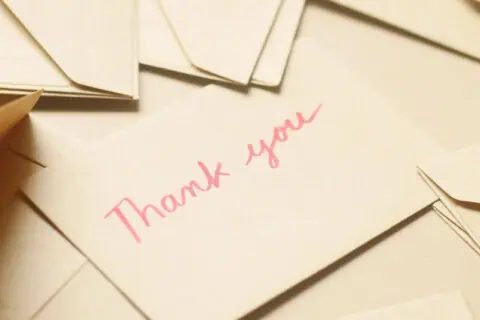
The day after Christmas brings its own traditions around the world. Many Americans sit down at kitchen tables to write their thank-you notes. Others pack donation boxes, carrying on the old Boxing Day custom.
In churches worldwide, prayers honor St. Stephen. This same winter morning starts Kwanzaa for African American families. The celebration runs seven full days, with special candles marking each one.
Local bird watchers head out in winter coats. Their Christmas Bird Count adds fresh data to years of wildlife records. Some have tracked the same routes since childhood.
Down Irish lanes, musicians play the Wren Day tunes their grandparents taught them. South Africans greet their Day of Goodwill with open doors. A plate of cookies left on a neighbor's step, a child's messy but sincere thank-you card - these moments stretch the season's warmth just a bit longer.
December 26 marks several holidays: Boxing Day, St. Stephen's Day, and the start of Kwanzaa. Americans observe National Thank You Note Day and National Candy Cane Day. Ireland celebrates Wren Day, while South Africa honors the Day of Goodwill. Bird watchers join the annual Christmas Bird Count.
December 26th: Quick Links
National Days and Awareness Events on December 26th
 Mind & Body
 Giving & Philanthropy
Awareness Weeks Including December 26th
 Mind & Body
4 Monthly Observances Across December

 Equality & Diversity
 Mind & Body
 Work & Skills
 Mind & Body
Make A Difference On December 26th
Volunteers join science teams across neighborhoods on December 26, counting birds to track winter wildlife. Local shelters welcome unused holiday gifts as families embrace Boxing Day's spirit of giving.
- Personal notes express thanks to helpers from the past year. Black-owned stores see increased visits from shoppers celebrating Kwanzaa's values.
- Holiday leftovers reach food banks and neighbors in need. Children learn about St. Stephen while parents share stories from their own childhood celebrations.
- Recycling bins overflow as families sort holiday packaging. Early risers spot deer tracks and winter birds, logging each sighting for research teams.
These daily acts strengthen our blocks and streets - through giving, learning, and caring for our shared spaces.
Did You Know? December 26th Facts and Historical Events
December 26 marks two breakthroughs decades apart. In their rough-built laboratory shed in 1898, Marie and Pierre Curie sifted through tons of pitchblende ore. Their persistence led them to radium, which gave off an unexpected glow. At the French Academy of Sciences, they simply called it "strongly radio-active." The discovery earned them a Nobel Prize - and changed medicine forever.
The same winter date in 2012 saw a different kind of progress. A high-speed rail line opened between Beijing and Guangzhou. At 2,298 kilometers, it's a testament to modern engineering. The trains zip through six provinces, making 28 stops along the way.
Where the old journey dragged on for 20 hours, passengers now reach their destination in just 8. Running at 300 km/h, these trains offer a practical alternative to flying. With fewer planes needed on this busy route, the environmental impact speaks for itself.
December 26th - Notable Birthdays
Five remarkable people were born on December 26th.
- In 1973, a Manhattan street became historic ground. There, American engineer Martin Cooper picked up his bulky prototype and made the first mobile phone call. His work now helps scientists gather data in the world's remotest places.
- The scientific elite of 1800s Britain kept women at arm's length. Yet Mary Somerville (1780-1872) broke through. The Scottish scientist wrote "Physical Geography," showing how Earth's systems work together in ways no one had explained before.
- British journalist Norman Angell challenged accepted theories about international relations. The Nobel committee awarded him their Peace Prize for his clear-eyed analysis.
- Charles Babbage (1791-1871) built something unheard of: a machine that could calculate. The English inventor's methods for spotting computation errors still shape scientific analysis today.
- In East Timor, José Ramos-Horta shows what's possible. This Nobel laureate makes conservation central to his presidency. His nation grows stronger while protecting its natural wealth.
