Waste and Recycling Workers Week: Honoring Our Environmental Heroes

The third week of June marks Waste and Recycling Workers Week each year. John D. Arwood started it back in 2012. It was inspired by Bob Gordon, a sanitation worker from New York City, who created the Global Garbage Man Day in 1988. Then, the name changed in 2019 to include everyone in the waste business, not just men.
These workers keep our streets clean and our communities healthy. Want to join the celebration? Their official website has everything you need to get started.
Key Info: Waste and Recycling Workers Week
- When is Waste and Recycling Workers Week?
Occurs in the 3rd week of June - This Year (2026):
Monday 15th - Sunday 21st June 2026 (date has passed) - Official Website: Waste and Recycling Workers Week
-
Future Dates
- Monday 21st - Sunday 27th June 2027
- Monday 19th - Sunday 25th June 2028
- Monday 18th - Sunday 24th June 2029
- Monday 17th - Sunday 23rd June 2030
-
Additional Details
- Observed By: Waste management companies, municipalities, environmental organizations, and local communities
- Where Is It Observed: United States
- Primary Theme: Waste Management Worker Recognition
- Hashtags: #WasteAndRecyclingWorkersWeek #ThankAGarbageWorker #WasteManagement #RecyclingHeroes #SustainabilityWorkers #WasteWorkers
Quick Links: Waste and Recycling Workers Week
Why These Workers Matter

When's the last time you thought about the people who handle your trash? Americans toss out 292.4 million tons of municipal garbage yearly. The folks who collect it face real dangers—trash collection ranks as the fifth most dangerous job in America.
Without them, we'd be swimming in our own waste. Disease would spread. Streets would stink. They're protecting us, plain and simple.
We used to see them as just trash collectors. Now we recognize they're environmental protectors handling valuable resources. When waste services stop, even for a day, things fall apart fast. Health risks pop up. Recycling backs up.
These workers do more than haul away garbage. They're the first link in recycling systems that keep millions of tons of stuff out of landfills. Most of us never see the complex work they do. But their hands make environmental protection happen in real ways, day after day.
Not Just Another Awareness Week
This celebration stands apart from similar ones in a few key ways. National Garbage Man Day still happens on June 17, but it's just one day. International Waste Pickers Day—that's in March—focuses on informal collectors.
This week-long event, though, includes everybody: drivers, sorters, landfill techs, and recycling specialists.
It's not just about saying thanks. This week connects what these workers do to bigger things—like keeping communities healthy and protecting our environment. The whole approach ties individual work to community well-being through learning.
What It's All About
At its heart, this week is about worker appreciation. It also teaches people about proper trash sorting and disposal. Environmental protection gets spotlight time, too. These themes show up year after year.
The National Waste & Recycling Association provides materials that help spread these messages. Safety gets special attention—and it should.
Taking care of our environment—that's what modern waste management is all about. Really about.
Ways to Show Your Thanks
Individuals
- Leave cold drinks or thank-you notes for your collectors
- Tell worker stories with #ThankAWasteWorker on social media
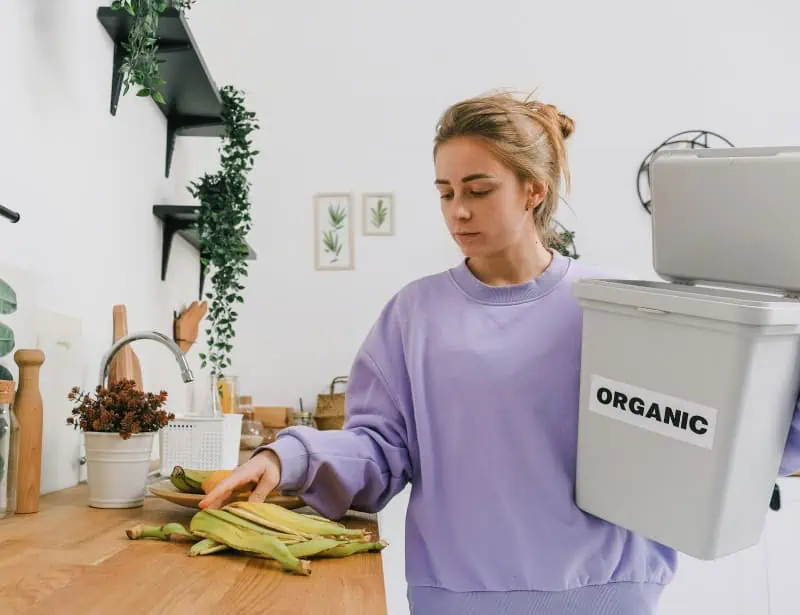
- Sort your recyclables right—it makes their job easier
- Maybe get them a gift card or a reusable water bottle
Businesses
- Throw an appreciation event for waste staff
- Share stories about the workers in your company newsletter
- Make break areas nicer for the sanitation folks at your building
- Set up a community cleanup during the week
Communities
- Plan a thank-you event with local waste companies
- Teach people how to sort trash properly
- Put up banners saying thanks at community centers
- Host breakfast for local collection crews—they start early!
Schools
- Create classroom activities about waste careers
- Visit waste facilities where safe
- Invite sanitation workers to talk about their jobs
- Start waste reduction contests between classrooms
Your Turn to Say Thanks
Waste and Recycling Workers Week gives us a chance to thank the people who protect our environment every day. Their work goes way beyond just removing trash; they're guarding public health.
This June, try participating through simple thanks or community events. And for something that matters even more, sort your waste properly year-round. That's the best way to support their efforts beyond this special week.
Resources:
FAQs (Frequently Asked Questions)
Waste and recycling collection ranks fourth among America's deadliest jobs. Workers face a shocking death rate of 41.4 per 100,000 - up 83% from last year's figures. The U.S. Bureau of Labor Statistics tracked these numbers through 2023. Most deaths happen on the road during collection routes. NWRA and SWANA data backs this up. Within sorting centers alone, nine workers lost their lives last year.
Today over half a million people (523,500) work in waste management jobs nationwide. This comes from the Bureau's May 2025 count. Beyond this, recycling and reuse create another 680,000 positions yearly - that's what EPA figures tell us through RTS reporting. The money side keeps growing too. By year's end, analysts expect the global market will hit $32.3 billion.
Smart bins with built-in sensors now tell trucks when they're full, cutting wasted pickup trips. Companies like Pello and Bintel lead this tech push. This relates to the bigger automation trend. Sorting centers use AI robots that "see" materials with near-perfect accuracy. When did this start? AMP Robotics pioneered these systems that get it right 99% of the time. RTS industry reviews and GlobeNewswire market data points to these changes reshaping how waste gets handled through smarter logistics.
research
Barbara is a former journalist who is passionate about translating important causes into engaging narratives. She combines communication expertise with an environmental science background to create accessible, fact-driven content.