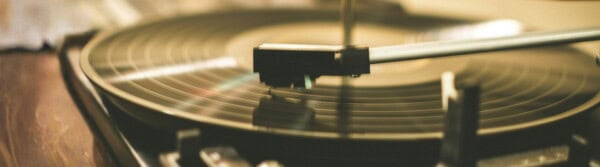
National Vinyl Record Day: History, Events & Ways to Celebrate

National Vinyl Record Day happens on August 12th each year. Gary Freiberg started this back in 2002, picking Edison's phonograph date on purpose.
His Los Osos, California idea came from post-9/11 chaos when he wanted something positive during rough times. The San Luis Obispo County Board of Supervisors backed his original proclamation that February.
This celebration works differently than Record Store Day. Record Store Day pushes exclusive releases and sales. National Vinyl Record Day honors Edison's breakthrough.
Freiberg built the first nonprofit focused on vinyl's cultural impact; his day links 1877 innovation to today's appreciation. Modern vinyl shows format comebacks work.
Key Info: National Vinyl Record Day
- When is National Vinyl Record Day?
Occurs annually on the 12th of August - This Year (2026):
Wednesday, August 12, 2026 (date has passed) -
Future Dates
- Thursday, August 12, 2027
- Saturday, August 12, 2028
- Sunday, August 12, 2029
- Monday, August 12, 2030
-
Additional Details
- Observed By: Music enthusiasts, vinyl collectors, record stores, and audio preservation communities
- Where Is It Observed: United States
- Primary Theme: Music History and Cultural Preservation
- Hashtags: #VinylRecordDay #NationalVinylRecordDay #VinylRecords #VinylCulture #VinylCommunity
Quick Links: National Vinyl Record Day
Why This Day Honors Audio History
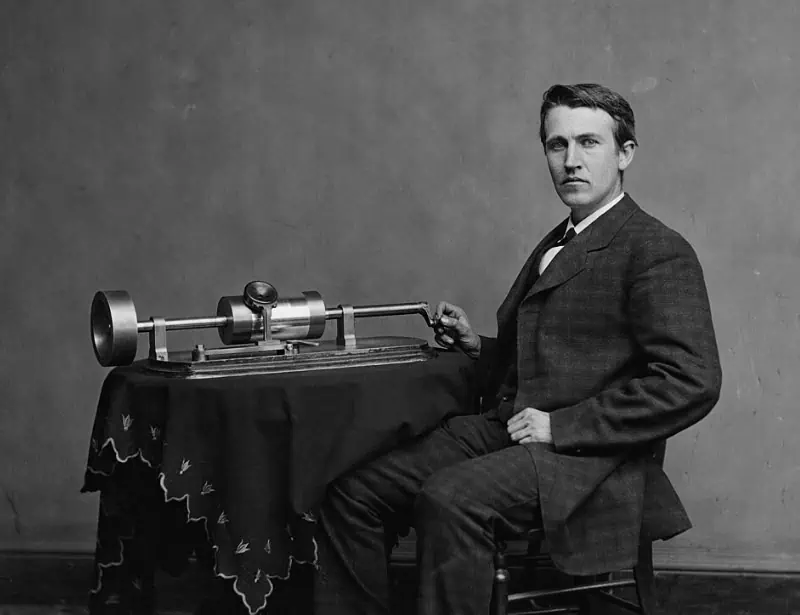
Edison's August 12, 1877 phonograph demo changed everything. "Mary Had a Little Lamb" became the first successful sound recording. This breakthrough created our entire recorded music industry.
Every spinning record celebrates his work.
The Recording Industry Association of America reports vinyl revenues hit $1.4 billion in 2024—eighteen straight years of growth. Physical format sales show vinyl beating CDs three years running. The format represents nearly three-quarters of total physical music money.
Independent record stores build community discovery spaces. In the UK, these shops grew 36% over ten years while total music retail dropped hard.
Analog audio quality matters across generations; tangible formats create emotional connections streaming can't touch. Beyond this, supporting vinyl means supporting artist economics directly.
Origins and Recognition Timeline
Gary Freiberg's vision reflected real cultural insight. According to Freiberg, "The objective of Vinyl Record Day is to remember that, whatever we go through on a personal or national level, life has its goodness. Music is the primary vehicle to our fondest memories."
Radio promotion spread his grassroots movement through music communities. Media recognition grew through collector participation. The day remains unofficial but culturally important.
But how did this actually develop? The timeline tells the story:
Timeline:
Edison invents phonograph on August 12
Gary Freiberg establishes National Vinyl Record Day with county proclamation
Growing media recognition and collector participation
Annual celebration with record store and community events
Community events now span coast-to-coast each August.
Important Celebration Methods

Activities honor Edison's legacy while embracing today's vinyl scene:
- Edison Anniversary Listening - Play recordings showing phonograph evolution from cylinder recordings to modern 180-gram pressings.
- Phonograph Museum Visits - Experience original Edison equipment at local history centers.
- Independent Store Visits - Support shops preserving vinyl culture; many host August 12th events.
- Preservation Workshops - Learn storage techniques like storing at 90 degree angles, using around 50-degree F temperature and ensuring 30% humidity
- Family Sharing Sessions - Exchange musical memories through inherited record collections.
- Community Collector Gatherings - Network with enthusiasts to develop and share knowledge
Cultural Impact and Lasting Themes
National Vinyl Record Day establishes lasting values around innovation celebration. Edison's breakthrough deserves annual recognition beyond general music appreciation. His invention enabled every audio technology development from radio to streaming.
The Smithsonian Institution shows commitment through Smithsonian Folkways, maintaining over 2,000 album titles since 1987. Their "Save Our Sounds" project targets deteriorating recordings vital to American history.
This relates to how families preserve musical heritage today. What records connect you to family memories?
Family sharing strengthens community bonds. Research shows vinyl collecting represents "serious leisure" with collectors advancing through beginning, development, and establishment stages. Today's appreciation honors past achievement while supporting format diversity.
And vinyl's comeback proves something deeper. Edison's legacy lives through every turntable spin.
Joining the Movement
Start with real Edison tribute activities today. Share vinyl appreciation using hashtags while educating followers about phonograph history. Local record stores often coordinate August 12th programming worth finding.
Social media engagement spreads innovation awareness. Community event organization creates lasting cultural impact supporting both historical education and vinyl advocacy.
Edison's invention changed everything. Every spinning record celebrates human creativity.
Resources:
FAQs (Frequently Asked Questions)
Record grading makes a big difference in what you'll pay and how your music sounds. Discogs, the biggest vinyl marketplace around, shows Near Mint records fetch top dollar because they play without issues. Lower grades like Good might have some pops and crackles that change your listening experience. The Goldmine grading system from 1974 gives everyone a common language from Mint to Fair. This suggests buyers need to know what they're looking at. When National Vinyl Record Day comes around, take time to check for scratches, warping, and sleeve condition. These factors determine both today's sound quality and tomorrow's resale value.
Getting your turntable set up right means paying attention to a few key points. Your tracking force should stay between 1.5-2.5 grams in most cases. The anti-skate setting works best when it matches that tracking force. Beyond this, cartridge alignment needs a Baerwald protractor for proper setup. Make sure your turntable sits perfectly level too. Speed accuracy within 0.5% prevents that warbled sound nobody wants. Most records need either 33 or 45 RPM playback. And don't forget to check if you need a separate phono preamp – many modern turntables don't include one.
Research
Digitizing your vinyl starts with using a good analog-to-digital converter – at least 24-bit/96kHz quality. You'll need a proper phono preamp stage before converting. Clean those records thoroughly first! This relates directly to how much noise you'll have to remove later. When recording, watch your levels and avoid clipping. Software with declicking helps, but don't over-process. Split-band limiting works better than standard compression for vinyl's dynamic range. Since 2010, most collectors store their digital copies as FLAC or WAV files to keep all that analog warmth intact without taking up unnecessary space.
The path from Edison's phonograph to today's vinyl involves both old-school techniques and new technology. Research from Cambridge University Press shows manufacturers now blend digital production with traditional methods. Direct Metal Mastering (DMM) emerged to create cleaner, more detailed records. This approach lets pressing plants work more efficiently while improving sound. Studies from City University London point to an interesting twist – vinyl survived as a "legacy technology" even after major labels abandoned it for CDs. When vinyl made its comeback, pressing plants had to recover specialized knowledge that almost disappeared. The effect was a manufacturing process that honors tradition but benefits from modern precision.
Barbara is a former journalist who is passionate about translating important causes into engaging narratives. She combines communication expertise with an environmental science background to create accessible, fact-driven content.
