National Science Appreciation Day: Why Science Saves Lives

National Science Appreciation Day happens every March 26th. Todd Stiefel started this thing back in 2002 through his organization ScienceSaves. The date connects to Jonas Salk's big announcement in 1953 about his polio vaccine working. That moment shifted everything in public health.
When reporters asked Salk about patenting his discovery, he shot back: "Could you patent the sun?" This attitude—science belongs to everyone—captures what we're celebrating.
Key Info: National Science Appreciation Day
- When is National Science Appreciation Day?
Occurs annually on the 26th of March - This Year (2026):
Thursday, March 26, 2026 (date has passed) - Official Website: ScienceSaves.org
-
Future Dates
- Friday, March 26, 2027
- Sunday, March 26, 2028
- Monday, March 26, 2029
- Tuesday, March 26, 2030
-
Additional Details
- Observed By: Science advocates, educators, students, and general public in the United States
- Where Is It Observed: United States
- Primary Theme: Science Appreciation And Recognition
- Hashtags: #ScienceSaves #NationalScienceAppreciationDay #ScienceMatters #ScienceAdvocacy
Quick Links: National Science Appreciation Day
Why This Day Actually Matters
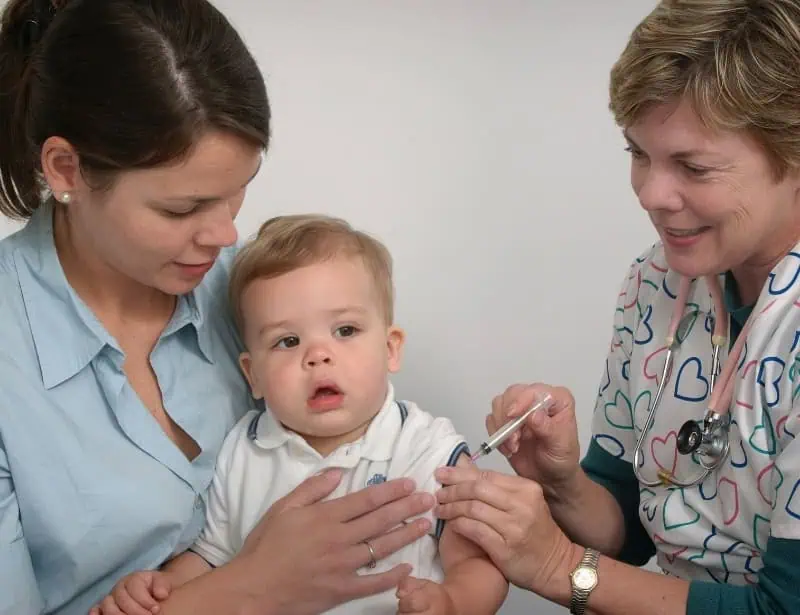
Science changes lives through real results. Take Salk's vaccine; U.S. polio cases dropped from 58,000 in 1952 to 5,600 by 1957. By 1961, only 161 cases remained.
This day recognizes breakthroughs like these while building science literacy in communities that need it. Over two dozen states, plus Washington, D.C., now issue proclamations for March 26th. Both parties support this, which shows science cuts across political lines.
It's different from India's National Science Day on February 28th and World Science Day in November. National Science Appreciation Day remains an observance, not a federal holiday. But its reach grows each year through grassroots efforts.
The movement builds gratitude for advancement while strengthening trust in solid research. Consider this: polio vaccines alone have prevented 18 million cases of paralysis worldwide since 1988. That's just one of the many ways science improved our lives.
Science literacy is also key to appreciating science more. Among Americans, it jumped from 10% to 28% from the 1990s to the 2010s. Still, science scores declined according to the latest NAEP Science Report Card for young students. Community engagement helps fill these gaps.
Timeline of the Movement
| Year | Event |
|---|---|
| 1953 | Jonas Salk announces successful polio vaccine (March 26) |
| 2002 | Todd Stiefel establishes National Science Appreciation Day |
| 2022 | At least 10 US states, plus DC, issue official proclamations |
Ways People Actually Celebrate
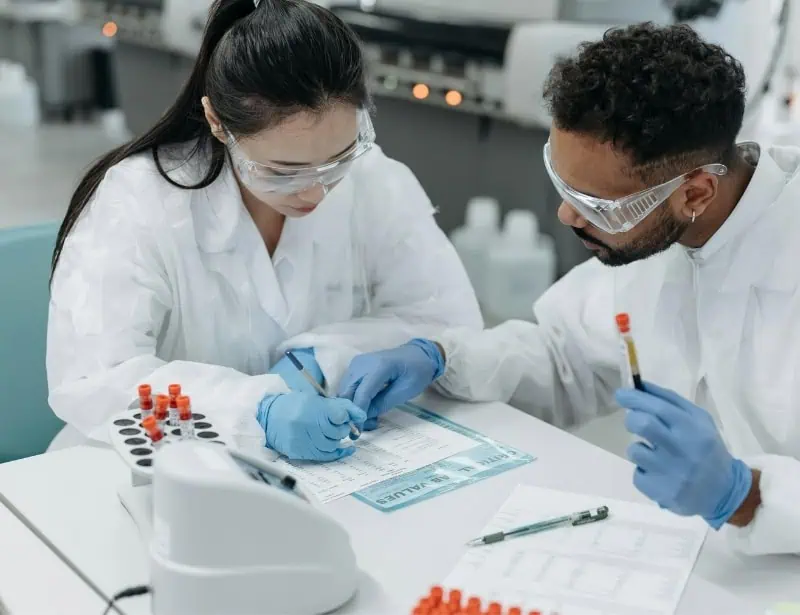
Participation looks different depending on who you are.
Individual Actions
Share discoveries on social media with #ScienceSaves. Thank scientists in your area personally—they rarely get recognition. Read peer-reviewed content from trusted sources. Support research through donations or policy advocacy when you can.
In Schools
Teachers organize hands-on demonstrations that show scientific principles working. Student showcases highlight local talent. Science fairs get community volunteers. Some schools create scientist spotlight presentations featuring diverse researchers.
Community Events
University lectures draw curious citizens to current research discussions. Science cafés connect experts with regular folks asking questions. Museums host interactive exhibits. Families visit these together across age groups.
Organizations and Workplaces
Companies recognize scientific staff contributions through internal programs. Research institutions open their doors for public tours. Corporate sponsors support STEM programs in underserved schools. Many partner with sciencesaves.org for official resources.
These activities connect scientific communities with the public they serve. They build bridges that matter.
Core Messages Behind the Movement
Gratitude drives everything here. Vaccine development demonstrates science improving human welfare through measurable impact.
Technology innovations continue this tradition of practical advancement. Trust in the scientific method supports decisions based on solid evidence across society. Research funding from government and private sources speeds up discovery timelines.
Science accessibility ensures all communities benefit equally from advances. Todd Stiefel puts it this way: "In an era of widespread misinformation and science denialism, it's important for all of us to remember the incredible positive impact science has had on each and every one of us."
The day counters skepticism through positive recognition rather than arguments. Supporting underrepresented groups by gender or race expands research perspectives.
Effective science communication builds bridges between researchers and communities while maintaining research standards.
Moving Forward
March 26th belongs on your calendar. Plan local activities that connect your community with scientific achievement through direct engagement. Visit sciencesaves.org for event resources and registration.
Use #ScienceSaves on social platforms to reach beyond your immediate network. These efforts strengthen public trust in research while supporting continued discovery.
Science appreciation starts with individual recognition. It grows through community celebration.
Resources:
FAQs (Frequently Asked Questions)
Most science appreciation events don't need official registration. Local institutions handle their own celebrations. ARIES in India uses Google Forms for specific competitions, but that's institution-specific. Beyond this, community events work differently. The National PTA suggests forming a planning committee with STEM teachers and local partners. Their STEM + Families program offers templates and guidance instead of formal registration. In practice, you create your event around existing frameworks rather than registering through 1 central system.
Three major science days serve different purposes. National Science Appreciation Day happens March 26 in the USA - it honors Jonas Salk's polio vaccine announcement. India celebrates National Science Day February 28 for CV Raman's Nobel discovery. World Science Day falls November 10 as UNESCO's global initiative. Each targets different cultural contexts and celebrates distinct scientific achievements.
No background needed. The day welcomes everyone regardless of science knowledge. You can share appreciation posts on social media or attend public lectures. Families visit science museums, students join school demonstrations, communities recognize local researchers. This relates to public engagement, not technical expertise.
National Science Appreciation Day happens March 26 yearly but lacks a central event database. Check nearby universities, science centers, and museums - they typically host activities on this date. Many organizations use social media and local event platforms for promotion. Search area hashtags like #ScienceAppreciationDay or contact regional STEM programs directly to discover what's happening locally.
The available sources don't contain specific impact data for this event. There's also a naming issue here - India's Press Information Bureau calls it "National Science Day" (established 1986, first celebrated 1987), not "National Science Appreciation Day." These results lack the quantified outcomes needed. To answer this properly would require government reports from India's Department of Science and Technology or published impact assessments.
Barbara is a former journalist who is passionate about translating important causes into engaging narratives. She combines communication expertise with an environmental science background to create accessible, fact-driven content.