National Neither Snow Nor Rain Day: Mail Carriers' Tribute

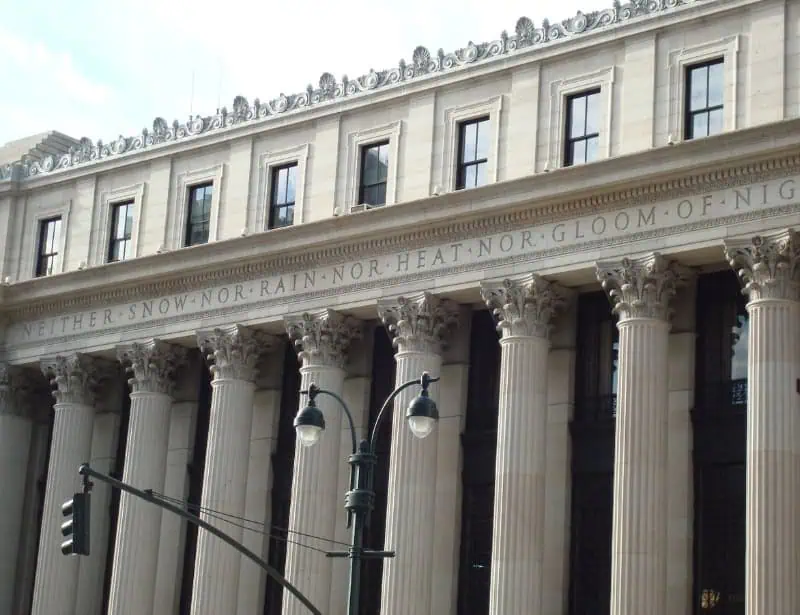
September 7th marks National Neither Snow Nor Rain Day each year. This informal recognition celebrates postal workers who deliver mail regardless of weather conditions. The observance connects directly to the James A. Farley Building inscription from ancient Greek historian Herodotus: "Neither snow nor rain nor heat nor gloom of night stays these couriers from the swift completion of their appointed rounds."
The building opened September 5, 1914; its inscription honors Persian couriers who served under challenging conditions. Many people question whether this day has official status. It doesn't need government approval to matter. Postal workers deserve recognition for their dedication. They maintain service when storms hit communities.
Key Info: National Neither Snow Nor Rain Day
- When is National Neither Snow Nor Rain Day?
Occurs annually on the 7th of September - This Year (2026):
Monday, September 7, 2026 (date has passed) -
Future Dates
- Tuesday, September 7, 2027
- Thursday, September 7, 2028
- Friday, September 7, 2029
- Saturday, September 7, 2030
-
Additional Details
- Observed By: General public and postal workers in recognition of USPS mail carrier commitment
- Where Is It Observed: United States
- Primary Theme: Postal Service Dedication
- Hashtags: #NeitherSnowNorRain #PostalWorkers #USPS #MailCarriers #PostalService
Quick Links: National Neither Snow Nor Rain Day
Why This Observance Honors Essential Service
Postal service reliability shapes community connections across America. Mail carriers work through blizzards, heat waves, and flooding during their routes. Their commitment ensures prescription medications reach patients when families need them most.
Weather resilience defines postal workers' dedication, and temperature extremes test human endurance. Essential workers maintain service continuity when other systems fail completely.
USPS serves nearly 167 million addresses nationwide with remarkable consistency. Community appreciation often goes unnoticed during routine deliveries. This observance changes that pattern entirely. What challenges do your local carriers face during severe weather conditions?
Beyond this, service commitment extends past individual effort. Entire postal networks coordinate to overcome transportation disruptions.
Historical Foundation and Persian Courier Legacy
The famous postal inscription originates from Herodotus' "Histories" about Persian operations. Persian couriers under Darius I operated the Angarium system using relay stations across measured intervals nationwide.
Herodotus wrote that couriers were "stayed neither by snow nor rain nor heat nor darkness from accomplishing their appointed course with all speed."
Architect William Mitchell Kendall selected this inscription for the James A. Farley Building through his father's classical scholarship influence. The building features the world's largest Corinthian colonnade with a 280-foot frieze displaying the adapted inscription. This connection bridges 2,500 years of courier service operations.
Since 1775, the American postal service has maintained these ancient reliability standards. According to USPS Historian Stephen Kochersperger, "the Postal Service is nearly a year older than the nation itself." The Continental Congress established the postal service on July 26, 1775.
Creative Ways to Celebrate and Engage
- Write thank-you notes to your local post office. Personal appreciation messages boost morale during challenging seasons.
- Visit the Smithsonian National Postal Museum for interactive exhibits showcasing postal history. Research your area's postal heritage through local historical societies. They often preserve postal route maps and carrier stories from decades past.
- Coordinate with residents to provide refreshments during delivery routes.
- Create educational displays about postal challenges for schools exploring how geography affects mail operations.
- Document local postal worker stories through interviews about memorable weather-related deliveries.
- Support postal worker safety initiatives and learn about heat illness prevention protocols the USPS implements.
- Year-round appreciation gestures include holiday cookies, summer cold drinks, and winter hand warmers. They show ongoing support for essential workers.
- Connect with postal facility tours since many locations offer behind-the-scenes glimpses.
- Share postal history on social media using historical photos and facts that educate communities.
Building Community Connection Through Appreciation
Recently, local appreciation events have created lasting community engagement between neighborhoods and postal services. Contact your nearest postal facility about organizing activities during National Neither Snow Nor Rain Day.
This extends appreciation throughout the year, not just September 7th. Simple gestures during severe conditions demonstrate ongoing support for carriers.
According to Postmaster General David Steiner, "For over 250 years, the Postal Service has been making connections between people, businesses, or both."
Appreciation acknowledges these sacrifices while building mutual respect. The ancient courier principles still guide modern operations—and that commitment costs something physical and emotional from every postal worker.
For related events, also join National Postal Worker Day and International Firefighters' Day.
Resources:
FAQs (Frequently Asked Questions)
Modern postal workers follow official safety programs their predecessors never had. The USPS updated their Heat Illness Prevention Program in April 2025, while carriers in earlier eras just relied on personal toughness. The old unofficial motto about "neither snow nor rain" sounded nice but offered no real protection. What actually keeps today's carriers safe during extreme weather? Structured training and clear connect protocols make the difference, according to the 2024 USPS Inspector General audit. Workers receive yearly refreshers on safety procedures and can access guidance through the Postal Bulletin. This practical approach points to a key shift from the past when carriers mostly had to figure things out themselves.
Postal workers serve as crucial support within America's National Response Framework during emergencies. The 2023 USPS Inspector General report shows they assist with eight Emergency Support Functions including transport and logistics. When disasters hit, do communities still expect mail service? Usually yes, which explains why postal facilities maintain detailed emergency plans. Since 2020, they've worked alongside Homeland Security's Incident Management System to ensure delivery continues. This relates to their larger community role beyond just delivering mail. But their most effect contribution often comes through maintaining communication channels when other systems fail. Postal workers essentially become dual-purpose public servants during crisis situations.
Climate change has transformed postal strategies toward sustainability rather than service reduction. Today, carriers focus on meeting emission targets while managing increasing delivery volumes across variable conditions. The Postal Service found over half of customers worry about environmental effects of their deliveries. Where do these concerns lead in practice? More electric vehicles, optimized routes, and neighborhood parcel lockers have emerged as solutions. Research by postal organizations shows leading operators want 20% fewer emissions per delivery by 2025. This suggests a fundamental shift in operations planning. Beyond this environmental focus, postal services must balance these green initiatives against growing package volumes from online shopping – creating new operational challenges unknown to previous generations.
Postal employees can file claims under the Federal Employees Compensation Act when weather conditions harm their mental health. The American Postal Workers Union helps members navigate this sometimes complex process. Weather-related stress represents a genuine occupational hazard in delivery work. How does extreme weather actually affect carriers mentally? Many report anxiety during severe conditions and physical exhaustion from adapting to temperature extremes. Social support systems within offices help carriers cope with these climate-induced pressures. Recently, more attention has focused on this issue as weather patterns become more unpredictable. And the most effect resource often comes from experienced colleagues who understand these unique stressors firsthand.
USPS maintains facilities nationwide despite varying regional climate risks. The Government Accountability Office found they've created some resilience measures, though implementation doesn't always match policy. Southeast postal operations include hurricane preparations that Northern regions skip entirely. When mountain states face wildfire threats, local postmasters adapt differently than coastal offices handling flooding concerns. Which approaches work best for which regions? The evidence points to locally-developed solutions based on specific weather patterns. The Climate Change Adaptation Working Group creates broad strategies, while practical adjustments happen where weather challenges are directly experienced. This suggests a mix of centralized guidance and regional know-how drives the postal service's weather adaptation. One office might excel at snow management while another masters extreme heat protocols.
Barbara is a former journalist who is passionate about translating important causes into engaging narratives. She combines communication expertise with an environmental science background to create accessible, fact-driven content.