National Farriers Week: Essential Heroes of Horse Health

Farriers shape horses' well-being through skilled hoof care every day. National Farriers Week celebrates these essential pros during July's second week each year. American Farriers Journal started this tradition back in 1998 when they noticed growing concerns about skilled worker shortages.
The best farriers blend old-school blacksmithing with modern understanding of how horses move. Horses literally stand on the foundation these craftspeople maintain.
The week turns appreciation into real action across North America's horse communities. Recognition ranges from simple thank-you notes to organized events at barns and vet clinics. This special period highlights both the physical demands and the technical know-how they bring to horse health.
Key Info: National Farriers Week
- When is National Farriers Week?
Occurs in the 1st week of July - This Year (2026):
Sunday 5th - Saturday 11th July 2026 (date has passed) -
Future Dates
- Sunday 4th - Saturday 10th July 2027
- Sunday 2nd - Saturday 8th July 2028
- Sunday 1st - Saturday 7th July 2029
- Sunday 7th - Saturday 13th July 2030
-
Additional Details
- Observed By: Horse owners, equine facilities, veterinary professionals, and the broader equestrian community
- Where Is It Observed: United States
- Primary Theme: Equine Healthcare Professional Recognition
- Hashtags: #NationalFarriersWeek #FarrierAppreciation #EquineHealth #Farrier #HoofCare
Quick Links: National Farriers Week
The Critical Role of Farriers in Equine Health
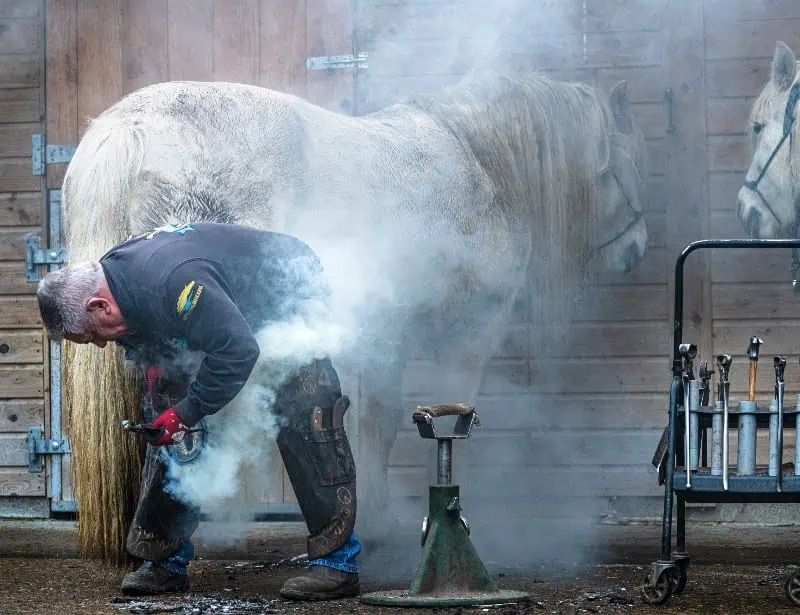
Farriers prevent lameness before it starts through careful trimming and balanced shoeing. Their knowledge turns proper hoof angles into better movement for each individual horse. Most equine lameness problems come directly from poor hoof care or maintenance.
And just one degree of imbalance can affect the entire skeleton.
Think about the jumping horse whose takeoff depends on proper hoof balance. How exactly does the farrier's work affect athletic performance? Corrective shoeing can improve stride length in performance horses that had hidden problems. This connection between healthy hooves and good movement matters in every horse discipline.
Farriers often spot subtle changes during regular visits that signal developing health issues. Their hands-on work creates a first defense against serious problems. One correctly placed shoe can make all the difference between a sound horse and a chronically lame one.
Origins and Evolution of National Farriers Week
Henry Heymering founded this recognition week in 1998 while running the American Farriers Journal. He wanted a non-competitive platform where sharing knowledge would lift the entire profession. July's second week became the consistent timing that still continues today.
Since 2012, online appreciation has expanded dramatically through the "Farriers Spotlight" tribute system. This searchable collection now has thousands of submissions highlighting exceptional service across different horse disciplines.
Educational elements now complement the usual appreciation efforts through demonstrations with veterinary schools.
The University of Tennessee's College of Veterinary Medicine actively participates by showcasing advanced foot techniques performed by Certified Journeyman Farriers. This teamwork highlights the growing relationship between veterinary medicine and modern farriery.
Timeline of National Farriers Week
American Farriers Journal establishes National Farriers Week addressing critical farrier shortage concerns
Grassroots celebration practices develop across U.S. equestrian facilities and communities
"Farriers Spotlight" online tribute system launches enabling public recognition of individual practitioners
Social media spreads awareness through hashtags like #NationalFarriersWeek and #ThankYourFarrier
Pandemic restrictions highlighted farrier services as essential despite unprecedented challenges
Focus has expanded beyond appreciation to address professional development, apprenticeship funding, and bringing new people into the field
Meaningful Ways to Celebrate National Farriers Week
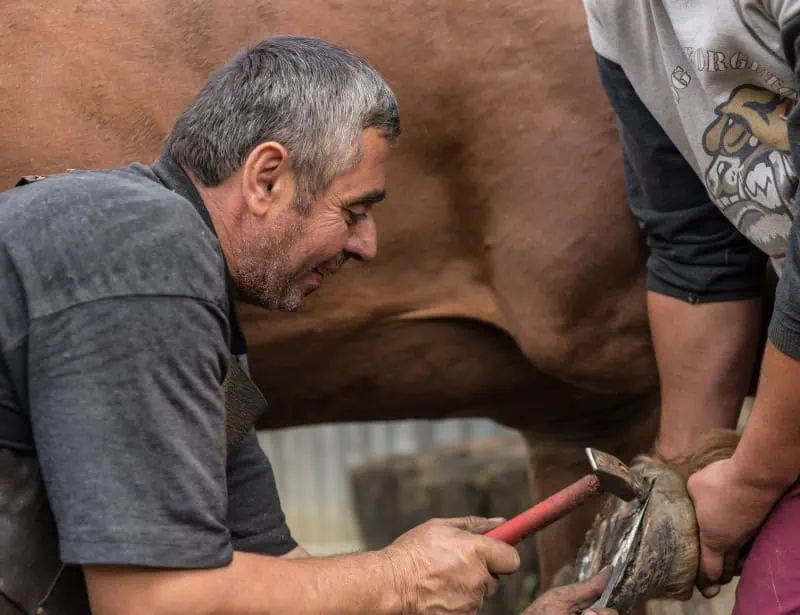
Horse owners build better working relationships through thoughtful recognition. Practical appreciation creates lasting good effects for both horses and the people who care for their feet.
Recognition Ideas:
- Prepare clean work areas with good lighting and someone to hold horses safely
- Write thank-you notes mentioning specific improvements in your horse's movement
- Share real testimonials on social media using #ThankYourFarrier
- Offer cold drinks on hot days—many farriers work 10-12 hours in tough weather
- Keep consistent scheduling and let them know quickly about changes
- Pay promptly; financial reliability shows professional respect
- Consider gift cards for restaurants, massage therapy (their backs need it!), or farrier supply shops
- Actually follow through on the between-visit care they recommend
- Get your whole barn involved in appreciation events
Industry Participation and Available Resources
Today, equine organizations actively promote this observance through targeted programs and practical materials. American Farriers Journal provides downloadable certificates and customizable templates throughout the celebration week.
Supply companies often offer special deals supporting both farriers and their clients during this time.
Frank Lessiter, Editor of American Farriers Journal, notes that modern farriery "requires an ever-increasing level of technical knowledge" beyond the obvious physical demands. This shapes the educational resources created specifically for the observance.
The International Association of Professional Farriers reinforces these standards through accreditation requiring 24 annual continuing education credits. National Farriers Week often features specialized learning opportunities advancing these professional benchmarks; many teach clients useful information too.
The Broader Impact of National Farriers Week
This recognition week strengthens essential connections between equine practitioners and owners. The observance addresses significant professional challenges. Physical demands limit many careers to just 4-5 years while technical requirements keep increasing.
Educational parts help horse owners understand proper care between scheduled appointments.
Recent data from Scotland reveals concerning declines in farrier numbers—36 fewer practitioners between 2020–2022—directly affecting horse welfare outcomes. This shortage shows why recognition must include apprenticeship support and recruitment efforts targeting younger generations.
Jason Wilson-Maki, farrier at Texas A&M, describes the ideal vet-farrier partnership as reducing "the amount of trial and error required to improve an animal's performance or soundness" through clear communication. This collaborative approach represents modern equine healthcare at its most effective.
Conclusion
National Farriers Week reminds us of vital connections between horses, owners, and dedicated hoof care specialists. Their craftsmanship deserves recognition far beyond a single week each July. Mark your calendars to properly acknowledge these professionals whose work creates the foundation for equine health.
Healthy horses truly begin with healthy hooves. The American Farriers Journal captures this perfectly: "Twenty-seven years ago, American Farriers Journal launched Farriers Week so the equine industry could recognize farriers' dedicated commitment to hoof care. From this humble beginning, it has grown into an annual tradition". Their skilled hands shape equine comfort with each precisely placed shoe.
For other related events, also join World Veterinary Day and World Animal Day.
Resources:
FAQs (Frequently Asked Questions)
The numbers tell different stories depending who you ask. Salary.com puts the base pay around $26,000 for 2025, yet PayScale shows farriers actually taking home closer to $60,000 when you count tips and bonuses. Experience makes a big difference in what you'll earn. Where you work matters too - urban areas with fancy horse operations pay better than rural spots. Farriers who can handle problem horses or do specialized corrective work get the best rates.
Tech has finally caught up with this ancient trade. Sensors developed at Penn and Glasgow vet schools now track exactly how horses move and distribute weight. This helps farriers make better decisions about hoof balance. Beyond this, we've seen huge improvements in materials - those aluminum alloys and composites don't just look fancy, they're 40% lighter and last longer than traditional steel. Digital payment apps might seem like a small thing, but they've fixed that old problem of clients forgetting checkbooks at the barn. Farriers spend less time chasing payments and more time working with horses.
You're looking at a 2-4 year journey, combining hands-on apprenticeship with classroom time. The American Farrier's Association offers the respected progression from CF to CJF to AWCF credentials. Today's farriers need an odd mix of blacksmith skills, basic vet knowledge, and enough business sense to stay profitable. And while most states don't ask for licenses, those AFA certifications make a real difference when charging top rates. The first year is the toughest - lots of bent nails and sore backs before the skills click.
American farriers get their moment during National Farriers Week, plus recognition through the International Horseshoeing Hall of Fame events the American Farriers Journal runs. This creates professional status that's missing elsewhere. In Pakistan, the situation looks very different. Research from PMC journals shows many farriers there lack basic training and often perform harmful procedures just because owners request them. Since 2019, Australia's scene has stayed mostly male-dominated with just a small fraction of women in the trade. The respect and working conditions vary dramatically depending where you practice.
Women now make up one in five full-time farriers according to 2024 data from the American Farriers Journal. That's an 8% jump since 2021, which suggests the gender balance is slowly shifting. Zippia's research shows 45% of farriers fall between 20-30 years old, pointing to good renewal in the profession. The actual market size remains tricky to pin down. Data Insights Market tracks these numbers but keeps the specific figures behind paywalls. What we know for sure is steady growth continues, driven by increased horse ownership among middle-income families since the pandemic.
Barbara is a former journalist who is passionate about translating important causes into engaging narratives. She combines communication expertise with an environmental science background to create accessible, fact-driven content.