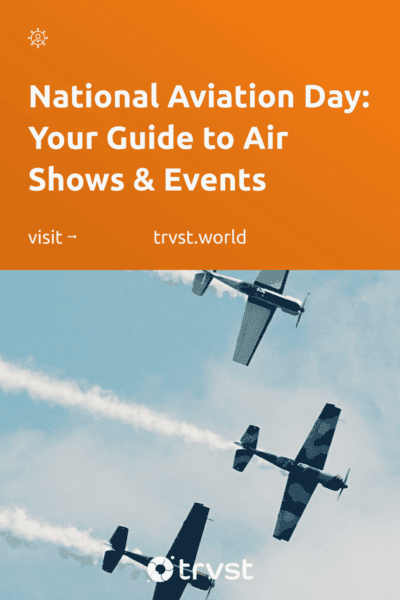
National Aviation Day: Your Guide to Air Shows & Events

National Aviation Day arrives each August 19th. President Franklin Roosevelt established this federal observance in 1939, choosing Orville Wright's birthday to recognize the Wright Brothers' historic achievement. Roosevelt's original proclamation called Americans to "observe the day with appropriate exercises to further and stimulate interest in aviation." The designation honors aviation pioneers while inspiring future generations.
Modern celebrations connect young people with aerospace careers through museums, air shows, and educational programming. Each August brings renewed focus to aviation's lasting effect on society.
The Story Behind August 19th
Roosevelt deliberately chose Orville Wright's birthday. He wanted to honor the brother who piloted humanity's first powered flight at Kitty Hawk.
Wright achieved takeoff at 10:35 a.m. on December 17, 1903, covering 120 feet at approximately 10 feet off the ground. The flight lasted about 12 seconds at 6.8 miles per hour.
The president understood aviation's growing influence on global events; his proclamation recognized "American initiative and industry" in aerospace development. Choosing Wright's birthday connected between past pioneers and future progress. Two bicycle mechanics from Ohio transformed human transportation forever.
Does aviation education still capture imagination like it did when Roosevelt established this observance? In practice, modern programs show remarkable results in student engagement.
Presidential Recognition Through the Decades
Every president since 1939 has acknowledged National Aviation Day through proclamations. Public Resolution No. 14 authorized it in May 1939. The observance maintains official federal recognition without being a federal holiday.
Government buildings display American flags on August 19th. Federal agencies participate through educational outreach and initiatives. This demonstrates sustained commitment to aerospace advancement spanning eight decades of continuous recognition.
But the real key lies in how communities respond.
Timeline:
Wright Brothers achieve first powered flight at Kitty Hawk
Roosevelt establishes National Aviation Day via presidential proclamation
First moon landing amplifies aviation celebration significance
Annual observance continues with museums, air shows, educational events
How Americans Celebrate Aviation Heritage
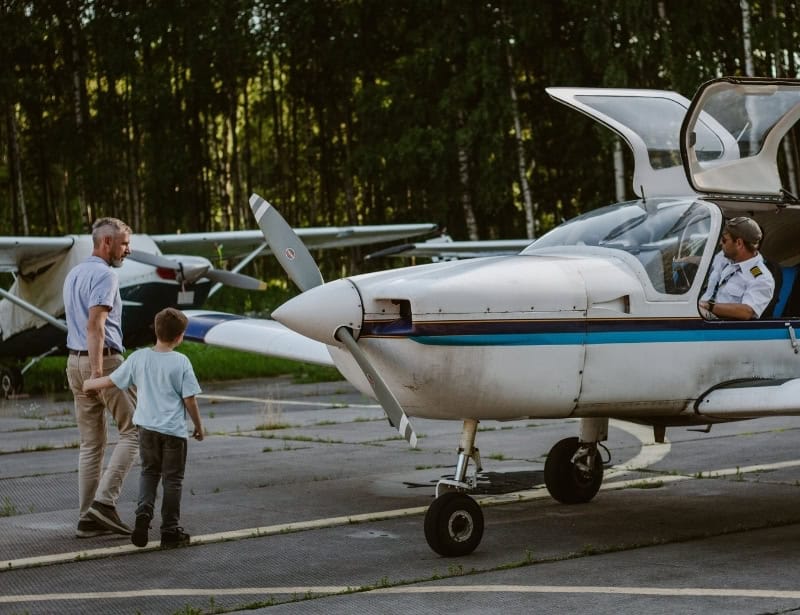
Aviation enthusiasts discover multiple ways to participate in National Aviation Day celebrations. Air shows showcase military and civilian aircraft capabilities nationwide. The Smithsonian's "Innovations in Flight" features over 60 aircraft displays.
Wright Brothers National Memorial offers free admission with ranger-led programs in North Carolina. NASA facility tours provide access to flight research at space centers.
STEM school programs create aviation-themed activities connecting students with aerospace concepts. Local airports provide discovery flights introducing pilot training basics. The Federal Aviation Administration reaches thousands of students annually through STEM outreach programs.
These celebrations make aviation accessible across communities. According to NASA Administrator Bill Nelson, "We must accelerate research and development in aircraft technologies that are cleaner, quieter, and more fuel-efficient."
Educational programs show clear results on student engagement and career interest.
The Deeper Mission of National Aviation Day
Since 2020, National Aviation Day has grown beyond historical remembrance. The observance preserves aviation heritage while inspiring tomorrow's aerospace innovators.
Aviation-themed programs improve student problem-solving capabilities and engagement with science concepts. Aviation connects families separated by continents through reliable commercial flight networks. The day celebrates human determination to achieve seemingly impossible dreams.
Tom Crouch, senior aeronautics curator at the National Air and Space Museum, emphasizes the Wright Brothers' enduring legacy: "If I were ever convinced that the evidence supported a pre-Wright claimant, I would say so."
Modern celebrations recognize aviation's role in emergency response, global commerce, and scientific discovery. Programs inspire underrepresented groups toward aerospace careers where innovation continues, where genuine progress creates new opportunities.
This relates to how extraordinary progress starts with determined individuals.
Your August 19th Action Plan
Start with local engagement. Contact nearby airports about special events and aircraft displays. Visit aviation museums offering educational programming on August 19th. Many facilities offer free admission.
Connect with the First Flight Society for community activities.
Follow NASA social media for aerospace content and updates. Research aviation career pathways for young family members interested in flight. Plan museum visits to experience aviation history firsthand.
And consider how aviation advancement continues shaping daily life through safer, more efficient transportation.
For my flying-related events, save International Civil Aviation Day and Wright Brothers Day in your calendars.
Resources:
FAQs (Frequently Asked Questions)
While National Aviation Day honors our flying heritage, it's evolved to tackle green aviation issues too. The business aviation group recently launched Sustainable Aviation Fuel programs to cut carbon footprints. This relates to what the World Economic Forum calls "a critical point" for aviation - they need real action now to hit zero emissions by 2050. But what's actually being done about it? The FAA isn't sitting idle. Their research plan includes Innovate28, which aims to get electric aircraft running by 2028. Today's aviation celebrations do double duty as platforms for showing off cleaner flying tech across the industry.
PwC's research shows general aviation supports over 1.3 million American jobs and adds $339.2 billion to our economy. The numbers get even bigger when you include all civil aviation - from plane manufacturing to airlines and airports. Beyond this direct effect, business travel and tourism multiply the benefits. Since 2020, the industry has bounced back strong, adding 150,000+ jobs and $92 billion in yearly economic impact. When aviation folks gather on August 19th, these growth figures give them plenty to celebrate.
You don't need to leave home to join National Aviation Day fun. Aerospace museums now offer online tours where you can explore exhibits from your couch. Many air shows stream their events live, letting you watch amazing aerial displays on your screen. And what if you want something more interactive? Digital history exhibits walk you through flight milestones, while interactive simulations let you try your hand at pilot training. NASA even opens their facilities through virtual tours. Most of these options are free on August 19th - just grab your device and start exploring.
National Aviation Day (August 19th) remains primarily a U.S. celebration without formal global status, according to the U.S. Census Bureau. The worldwide aviation community focuses instead on December 7th - International Civil Aviation Day - established by the UN in 1996 through their aviation organization ICAO. This suggests a clear distinction: while Americans honor the Wright Brothers' achievements on their national day, the international community has its separate observance with UN backing. The different dates reflect separate traditions rather than worldwide recognition of the American holiday.
Barbara is a former journalist who is passionate about translating important causes into engaging narratives. She combines communication expertise with an environmental science background to create accessible, fact-driven content.