
Morse Code Day: From Telegraph to Digital Legacy

April 27 transforms Samuel Morse's birthday into a worldwide celebration. Morse Code Day honors the system of dots and dashes that changed how people connect across distances. Anyone can learn this elegantly simple language. Morse showed remarkable persistence through years of experimental failure before success.
This observance grew naturally among telegraph enthusiasts and historians. No central organization established the day; it reflects grassroots appreciation for an innovation that shapes our technological heritage.
Key Info: Morse Code Day
- When is Morse Code Day?
Occurs annually on the 27th of April - This Year (2026):
Monday, April 27, 2026 (date has passed) -
Future Dates
- Tuesday, April 27, 2027
- Thursday, April 27, 2028
- Friday, April 27, 2029
- Saturday, April 27, 2030
-
Additional Details
- Observed By: Amateur radio operators, historians, educational institutions, maritime and aviation communities
- Where Is It Observed: United States
- Primary Theme: Communications History and Technology
- Hashtags: #MorseCodeDay #MorseCode #SamuelMorse #HamRadio #TelegramHistory #CommunicationHistory #DotsDashes
Quick Links: Morse Code Day
The Effect of Morse Code on History
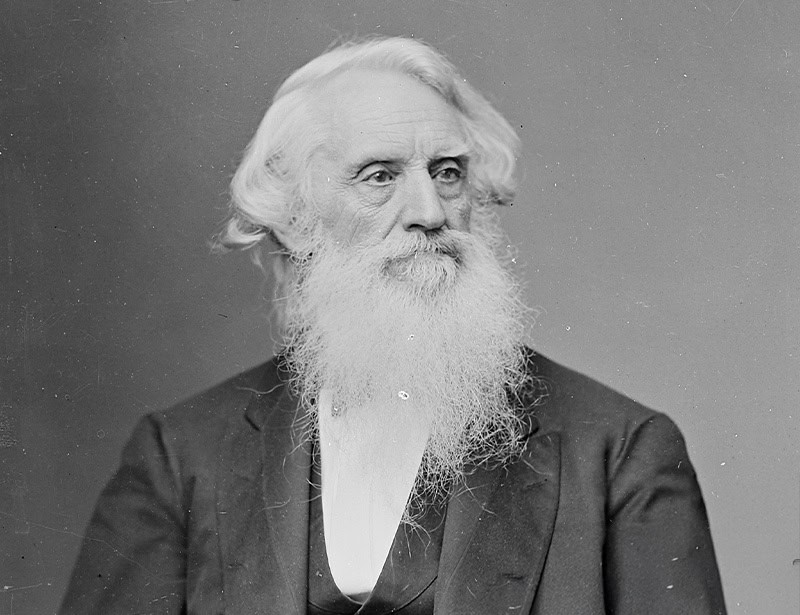
The year 1844 marked our decisive step into instant communication. Information that once took weeks suddenly traveled between cities in seconds. "What hath God wrought?"—this historic transmission from Washington to Baltimore started an era when distance no longer controlled information speed. Ships talked with distant shores. Nations established diplomatic channels previously impossible.
Have we truly understood how this invention compressed time and space? This suggests the revolution Morse launched directly enabled today's connected world. January offers Learn Your Name in Morse Code Day for personal engagement; April 27 celebrates something broader—historical significance.
Morse Code Timeline
Samuel Morse born on April 27
Morse begins developing telegraph system
Morse demonstrates first working telegraph
First official message sent: "What hath God wrought"
International Morse Code adoption begins
SOS becomes the standard distress signal
Amateur radio drops Morse requirement for licensing
International radio regulations remove Morse requirement
April 27 observed without an official founding date
The Practical Use of Morse Code Today
Morse code lives on despite our digital transformation. This mode of communication is still used now. Amateur radio is one of the communities in which Morse code is popular and in daily use. Maritime and aviation rely on its patterns for navigational safety.
The Federal Aviation Administration keeps VOR beacons transmitting location identifiers through Morse signals. Schools teach this system for both historical understanding and practical resilience.
When modern systems fail, Morse offers essential backup.
During Hurricane Katrina and the 2011 Tōhoku earthquake, amateur or ham radio operators sent critical messages after digital networks collapsed.
Wait—I should also add. U.S. military personnel at Goodfellow Air Force Base complete an 81-day program to improve accuracy in Morse operations; this shows its continued strategic value.
Ways to Celebrate Morse Code Day

- Start with basics: Learn your name or simple greetings. Online translators convert text into dots and dashes right away.
- See history firsthand: Visit museums with displays featuring 19th-century telegraph keys and original code sheets. These old tools connect visitors directly with the communication history.
- Find local enthusiasts: Ham radio operators in your area often run demonstrations. The ARRL website lists over 2,000 clubs nationwide with Morse activities for beginners and experts.
- Try an app: Mobile and web applications make learning interactive. The top choices for existing learners are Morse Ninja and Morse Code World, among many others.
- Share the tradition: Translate "Happy Morse Code Day" for friends on social media. This keeps telegraph culture alive through modern channels.
- Join a competition: Enter decoding events where participants translate messages for prizes. In 2024, the Parker Radio Association event, where people had to translate the entire lyrics of "Stairway to Heaven" into Morse.
- Wear your message: Make bracelets with beads representing dots and dashes; this physical reminder connects to communication history.
Finding Local Morse Code Events
Virtual celebrations have grown significantly since 2020. Beyond this, the American Radio Relay League maintains a database showing radio organizations everywhere in the country. Maritime museums often host special telegraph demonstrations during late April.
The International Amateur Radio Union advocates adding Morse to UNESCO's Intangible Cultural Heritage list, recognizing its lasting importance. Their position reflects growing appreciation for this communication method.
Regional technical colleges sometimes offer one-day workshops. These educational events welcome complete beginners—no equipment or experience needed.
Today, the FISTS CW Club coordinates online gatherings through virtual Morse practice rooms. Historical societies frequently display original telegraph equipment; check what's happening locally for special April 27 exhibitions.
Why It Matters

Morse Code Day celebrates both technological achievement and human creativity. This system—described by Morse himself as "like the lightning, the carrier of intelligence"—fundamentally changed our relationship with distance and time.
Its continued relevance shows how truly revolutionary innovations transcend their original purpose; they reshape human experience itself. Consider sending at least one Morse message on April 27. Join thousands worldwide keeping this elegant system alive. The dots and dashes that once linked continents continue inspiring new generations of communicators in ways Samuel Morse could never have imagined.
Resources:
FAQs (Frequently Asked Questions)
When digital networks crash, emergency teams still rely on Morse code as a backup. GPS coordinates sent through radio waves help rescue workers find disaster sites faster. Parlar's team showed this method created clear connections during the 2023 earthquake response. Why does such old technology persist? The answer lies in its practical protection when modern systems fail. The U.S. Navy maintains Morse in their toolkit, training sailors to send those familiar dots and dashes when sophisticated equipment gets knocked offline or hacked.
The U.S. Navy teaches Morse code at its Training Center in Pensacola. Their cryptologic technicians learn it alongside more advanced communication systems. At Goodfellow Air Force Base, the 316th Training Squadron runs courses where intelligence specialists master this old-school method. This relates directly to concerns about electronic warfare. Military planners worry about enemies jamming digital signals during conflicts. Since 2020, training materials have emphasized Morse as a low-tech backup that offers practical protection when fancy systems fail.
The Farnsworth method beats other approaches hands down. It teaches characters at high speed but spaces them far apart, training your brain to recognize patterns instantly. Most students pick up the basics in under 14 days using this technique. The Long Island CW Club and similar groups offer structured programs that work. Beyond this, practice tools make a difference. Software like Morse Runner and Morse Code Ninja adapts to your skill level. And despite its age, this learning approach points to general progress in how we acquire communication skills.
Morse code sticks around because it works when everything else fails. The Navy trains sailors to use it during cyber threats - a simple solution to complex problems. It also helps people with severe disabilities communicate. Some patients who can only blink their eyes use Morse to express basic needs. About 8,000 amateur radio enthusiasts still practice it weekly across North America. Does this old technology really matter anymore? Absolutely. When storms knock out cell towers or internet connections drop, those familiar dots and dashes create clear connections. Emergency responders appreciate having this reliable tool in their arsenal.
Barbara is a former journalist who is passionate about translating important causes into engaging narratives. She combines communication expertise with an environmental science background to create accessible, fact-driven content.
