
Learn Your Name In Morse Code Day: Master Your Code

Learn Your Name in Morse Code Day transforms January 11 into a personal Morse code adventure. Brownielocks created this annual observance, knowing that your name becomes an immediate connection to communication heritage. Dots and dashes spell your identity. The same system that revolutionized global connectivity now teaches us something fundamental about ourselves.
Your smartphone exists because Samuel Morse's electromagnetic telegraph proved distance communication possible. Digital age preservation requires understanding these basic tech foundations, but there's more here. Translating your name creates this tangible, almost physical link between past innovation and present convenience.
Personal relevance? That's what drives engagement. Your name in Morse code becomes your entry point into the telecommunications revolution that shaped modern life.
Key Info: Learn Your Name in Morse Code Day
- When is Learn Your Name in Morse Code Day?
Occurs annually on the 11th of January - This Year (2026):
Sunday, January 11, 2026 (date has passed) -
Future Dates
- Monday, January 11, 2027
- Tuesday, January 11, 2028
- Thursday, January 11, 2029
- Friday, January 11, 2030
-
Additional Details
- Observed By: Individuals and educational institutions interested in telecommunications history and Morse code
- Where Is It Observed: International
- Primary Theme: Telecommunications Heritage Preservation
- Hashtags: #LearnYourNameInMorseCodeDay #MorseCode #TelecommunicationsHistory #MorseCodeDay #TelegraphHistory #CommunicationHistory
Quick Links: Learn Your Name in Morse Code Day
Why This Day Matters Now
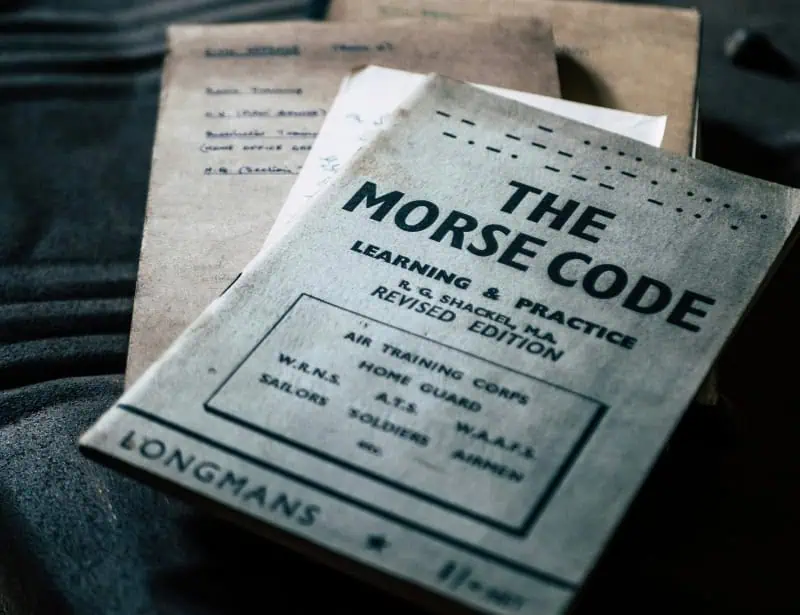
January 11, 1838, changed everything at Speedwell Iron Works in Morristown, New Jersey. Samuel Morse and Alfred Vail demonstrated their electromagnetic telegraph system by transmitting "A patient waiter is no loser" through two miles of interior wiring. Several hundred witnesses watched this proof transform theoretical possibility into reality.
This relates to today's STEM education challenges in ways most educators miss. Students who understand historical communication foundations develop a stronger appreciation for today's digital networks.
According to peer-reviewed cognitive research, experienced Morse code operators exhibit neural processing patterns consistent with linguistic processing rather than simple perception. That's brain rewiring through pattern learning.
Skills labeled "obsolete" often provide essential understanding frameworks. Pattern recognition strengthens through rhythmic dot-dash combinations, building confidence in technical subjects while developing cognitive abilities that transfer across learning areas.
How to Celebrate and Participate

Transform January 11 into an active learning adventure. Start simple:
- Master your complete name translation - First name only at first, progress through middle and surnames as confidence develops
- Create family learning sessions - Practice together with immediate feedback and shared accomplishments
- Share achievements strategically - Post name translations using #MorseCodeDay hashtags
- Attempt basic messaging - Exchange simple words between family members using dot-dash patterns
- Download educational applications - Use structured apps for step-by-step learning
- Connect with amateur radio communities - Local clubs provide January 11 demonstrations for beginners
- Design visual displays - Write names in dot-dash notation and display them prominently throughout celebration day.
Educational Impact and Modern Skills
Morse code works as a gateway technology for understanding broader communication systems. Alfred Vail developed the alphabetic code system we use today, replacing Morse's initial numerical approach that required codebook lookups.
Between December 1843 and August 1844, Vail conducted fifty-eight numbered experiments plus additional trials. Pattern recognition develops through these precise timing relationships between dots, dashes, and spacing that follow mathematical ratios that enhance numerical reasoning abilities.
Historical literacy connects directly to modern technology appreciation when students grasp foundational principles.
Rhythmic learning strengthens cognitive development across multiple disciplines. These benefits extend far beyond telecommunications applications into areas like mathematics and language arts.
Making Your Mark with Morse
Start your name conversion right now. Write each letter as dots and dashes. Practice the rhythm until patterns feel natural.
Share your accomplishment with others through social media posts and family teaching sessions; individual participation strengthens broader knowledge preservation movements in ways that matter.
Samuel Morse's electromagnetic telegraph revolutionized human communication 180+ years ago. Your January 11 participation honors that legacy while building valuable skills for today's interconnected world.
If you want to get serious, actively join Morse Code Day on April 27.
Resources:
FAQs (Frequently Asked Questions)
Learning your name takes about 10-15 minutes for most people. Short names like "Anna" or "Bob" go faster. Longer names with tricky letters might need 20-30 minutes. Here's what works: focus on the rhythm, not individual letters. When you get the timing down, your name clicks into place. Practice the pattern until it feels natural.
Spacing trips up nearly everyone at first. Each dot gets one beat, dashes get three beats. Between letters in your name? Three beats of silence. Between words? Seven beats. Most beginners rush through without proper pauses. This makes "Sarah" sound like gibberish. Take your time with the spacing and your name becomes clear.
Use multiple online Morse code translators to cross-check your work. Type your name into at least two different tools and compare results. Beyond this, try the audio playback feature - does it match what you practiced? Some apps let you tap out your translation to verify timing. Reddit's r/amateurradio community also helps verify translations if you're still unsure.
Absolutely. Your name gives you a solid foundation to build on. Many people start with family names next, then move to common words. The ARRL offers structured learning programs that progress from 5 to 20+ words per minute. Ham radio operators use Morse daily, and some apps gamify the learning process. Once you know your name, you're already on the path.
Today we use International Morse Code for everything. The old American version from the 1800s used different symbols, but it died out by 1912. This means your name works the same whether you're in Tokyo or Texas. All modern apps and learning tools use the international standard. Ham radio operators worldwide will recognize your name exactly as you learned it.
Barbara is a former journalist who is passionate about translating important causes into engaging narratives. She combines communication expertise with an environmental science background to create accessible, fact-driven content.
