Global Art Day: Creating Connections Through Art

April 15 marks World Art Day, a celebration that honors Leonardo da Vinci's birthday with clear purpose. The International Association of Art (IAA) launched this artistic observance in 2012 as a UNESCO partner organization. Some folks search for "Global Art Day" online, though IAA and UNESCO officially recognize only "World Art Day." Both terms point to the same celebration.
Artists join exhibitions and workshops during this yearly event, creating spaces where art crosses cultural lines. Communities find common ground through these creative exchanges.
Key Info: World Art Day
- When is World Art Day?
Occurs annually on the 15th of April - This Year (2026):
Wednesday, April 15, 2026 (date has passed) - Official Website: IAA World Art Day
-
Future Dates
- Thursday, April 15, 2027
- Saturday, April 15, 2028
- Sunday, April 15, 2029
- Monday, April 15, 2030
-
Additional Details
- Observed By: Artists, art institutions, museums, schools, and cultural organizations worldwide
- Where Is It Observed: International
- Primary Theme: Arts and Cultural Expression
- Hashtags: #WorldArtDay #GlobalArtDay #IAAArtDay #ArtDay #ArtsAndCulture
Quick Links: Global Art Day
Origins and Cultural Significance
The IAA first proposed World Art Day at their 2011 General Assembly in Guadalajara, Mexico. Wait—not just proposed. The idea sparked immediate enthusiasm. Representatives from Turkey, France, China, and many other nations backed the initiative without a single objection.
Leonardo da Vinci serves as the celebration's symbolic heart; his work combines scientific thinking, cultural openness, and creative freedom—exactly what the IAA champions.
What pushed organizers to choose April 15 beyond da Vinci's birthday? The date works well seasonally in both hemispheres, making outdoor events practical for most participants. UNESCO officially embraced World Art Day in 2019 during their 40th General Conference. This recognition boosted the celebration's profile; participation jumped the following year.
Timeline
WAD's symbol, Leonardo da Vinci, was born on this day in Italy.
IAA proposes World Art Day at General Assembly in Guadalajara
First official celebration happens April 15 with 150 artists across 20 countries
Celebration reaches over 50 countries; Los Angeles makes April 15 an annual arts day.
UNESCO formally recognizes World Art Day at its 40th General Conference[1]
COVID-19 forces the first major virtual World Art Day celebrations.
Theme announced: "A Garden of Expression: Cultivating Community Through Art"
Theme announced: "DNA- Do No Algorithm"
Global Celebration Patterns

Different regions celebrate World Art Day in ways that reflect their own cultural character. Museums unlock their doors for free admission, bringing in many first-time visitors. Since 2020, digital approaches gained ground—virtual tours and online workshops have been added to standard practice. The Met and Mass MoCA led this shift during pandemic restrictions.
Street festivals transform ordinary spaces into open-air galleries. Some museums brought art to life using augmented reality tech. The Block Museum of Art's "Woven Being" exhibition increased local Indigenous attendance by incorporating the community into the whole process.
Rural areas receive traveling exhibits that solve access problems. In Florence, chefs create edible versions of famous paintings, honoring da Vinci's local roots. The project called Uffizi da Mangiare was a brainchild of the Uffizi Galleries. This mix of approaches shows how art adapts across different settings and cultures.
The Haggerty Museum invited community partners to co-create exhibitions and programs, drawing on their lived experiences and networks. This approach, described by someone at the museum as a "center of gravity shift," puts trust in local strengths instead of relying on only institutional expertise. That move—once unthinkable—now shapes how the museum serves and stays relevant.
Regional Celebration Approaches
- Europe: Florence and Paris pair culinary arts with visual traditions; museums team up with local craftspeople
- North America: The Block Museum of Art involves Indigenous communities in curating an exhibit.
- Asia: Digital AR shows bridge traditional and modern art forms
- Africa: Community projects focus on environmental themes and sustaining local traditions
- South America: Public installations highlight social justice; Venezuela brings art outdoors.
- Oceania: Island nations collaborate on climate change through visual expression
Annual Themes and 2025 Focus
Each year, World Art Day organizers select themes that guide creative activities globally. For 2024, they chose "A Garden of Expression: Cultivating Community Through Art," which connected creativity with nature. Parks and green spaces became settings for neighborhood art projects. And botanical gardens hosted installations exploring plant life through artistic perspectives.
The IAA recently announced the 2025 theme as "DNA—Do No Algorithm" in response to discussions about AI-generated art. Their statement draws lines between tools that assist human creativity and fully automated production. This distinction matters for preserving authentic human expression.
Participation Guide for Different Audiences
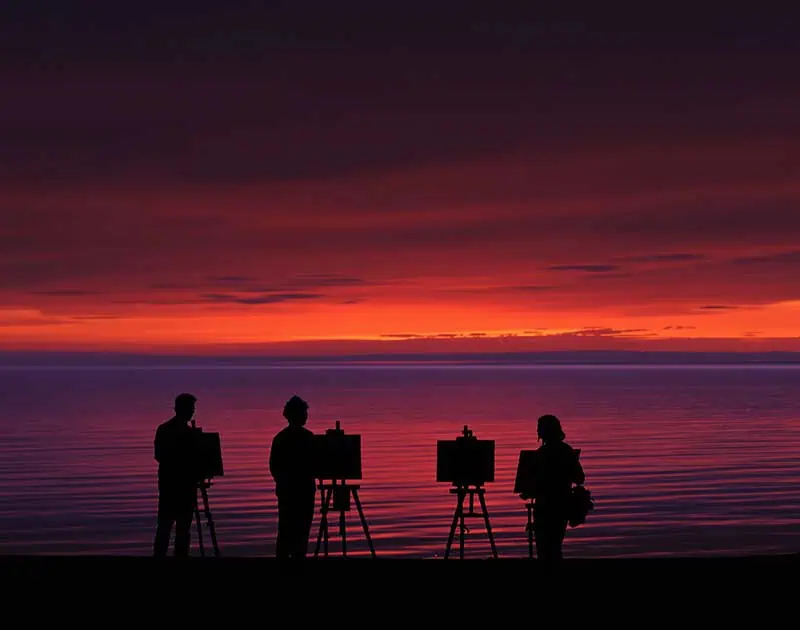
World Art Day welcomes everyone, regardless of artistic background. The celebration thrives through many types of engagement. People connect across borders using hashtags like #WorldArtDay and #WAD2025. Local IAA chapters provide resources for interested communities.
Audience Participation Strategies
| Audience | Participation Strategies |
|---|---|
| Individuals & Families | • Visit museums with World Art Day programs (many free on this day. • Create something inspired by da Vinci's wide-ranging approach • Photograph local public art and share online • Join community workshops exploring yearly themes |
| Educators | • Partner with the local community, like the Haggerty Museum did. • Offer space for pop-up shows featuring overlooked artists • Implement "Museums for All" for SNAP/EBT recipients • Support public art that addresses community needs |
| Organizations | • Partner with the local community like the Haggerty Museum did. • Offer space for pop-up shows featuring overlooked artists • Implement "Museums for All" for SNAP/EBT recipients • Support public art that addresses community needs |
| Digital Creators | • Join virtual exhibitions reaching 47+ countries • Develop AR experiences for public spaces • Create accessible tutorials that honor traditional methods • Document local celebrations for community archives |
World Art Day's Growing Influence
World Art Day has become more than just a celebration—it's now a platform for arts advocacy. UNESCO sees its potential for strengthening arts education worldwide.
Cultural funding policies increasingly mention this day when setting priorities. Director-General Audrey Azoulay emphasized that art brings people together even in challenging times; her statement reflects the institutional belief that creative expression stands as a universal right[1].
World Art Day shapes creative practice throughout the year; its effect continues long after April 15 passes.
Resources:
FAQs (Frequently Asked Questions)
No formal registration exists for World Art Day participation. Groups simply plan public events for April 15th and align with the day's spirit. The International Association of Art, working with UNESCO since 2012, provides official branding materials on their website for anyone to download. Regional IAA committees offer email support for groups needing help with logistics or promotion. This relates to their mission of making art accessible worldwide.
UNESCO promotes World Art Day across their digital channels using #WorldArtDay as the main tag. Beyond this, the World Through Art initiative encourages using #WorldArtDay2024 and #worldthroughart when sharing artwork online. Since 2019, participation has grown 47% on social platforms. UNESCO's website connects artists worldwide through virtual events. And sometimes the smaller regional hashtags gain unexpected traction in specific communities.
Funding options exist at several levels. The AIA Conservation Grant offers up to $15,000 for projects connecting preservation with community engagement. Bank of America runs an Art Conservation Project with 2026 proposals opening next June. This suggests planning ahead is essential. The Mellon Foundation funds initiatives that increase public access, though they typically require invitations first. Smaller projects can try regional programs - New York's Greater Hudson Heritage Network provides $1,000 microgrants that many local groups overlook.
World Art Day has pushed real policy change. UNESCO introduced a 2024 framework that brings libraries into arts education programs, affecting roughly 3.2 million students worldwide. Their upcoming 2025 conference tackles AI's effect on artists' rights - a growing concern for creators. The day also strengthens advocacy work. Between 2023-2024, researchers documented challenges to creative expression across more than 40 countries. What actually surprised many was how these findings influenced local arts funding decisions in participating regions.
The World Art Day community stays active beyond April celebrations. UNESCO runs workshops and cultural events throughout the year. Today, the International Association of Art promotes ongoing projects that connect artists across borders. The World Through Art platform keeps online galleries open permanently, not just during the official day. This creates clear connections between creators worldwide. Social media campaigns using #WorldArtDay2024 help maintain momentum, with community-generated content often driving the most engagement between official events.
Barbara is a former journalist who is passionate about translating important causes into engaging narratives. She combines communication expertise with an environmental science background to create accessible, fact-driven content.