Cosmonautics Day: Celebrating Humanity's First Steps Into Space

April 12 marks the day when humans first ventured beyond Earth's atmosphere. Yuri Gagarin's historic 1961 flight aboard Vostok 1 changed everything we knew about what people could achieve in space. The Soviet cosmonaut completed a single orbit lasting just 108 minutes, but this brief journey transformed our connection to the cosmos.
His famous words "Poyekhali!" ("Let's go!") still echo through spaceflight history today. The United Nations later recognized this achievement by declaring April 12 the International Day of Human Space Flight in 2011[1]. What began as one man's daring mission opened the door for generations of space explorers who followed.
Key Info: International Day of Human Space Flight
- When is International Day of Human Space Flight?
Occurs annually on the 12th of April - This Year (2026):
Sunday, April 12, 2026 (date has passed) - Official Website: United Nations International Day of Human Space Flight
-
Future Dates
- Monday, April 12, 2027
- Wednesday, April 12, 2028
- Thursday, April 12, 2029
- Friday, April 12, 2030
-
Additional Details
- Observed By: Space agencies, educational institutions, and public worldwide, with primary celebrations in Russia
- Where Is It Observed: International
- Primary Theme: Space Exploration and Human Achievement
- Hashtags: #CosmonauticsDay #YuriGagarin #SpaceExploration #HumanSpaceFlight #InternationalDayOfHumanSpaceFlight
Quick Links: Cosmonautics Day
Historical Significance and Origins
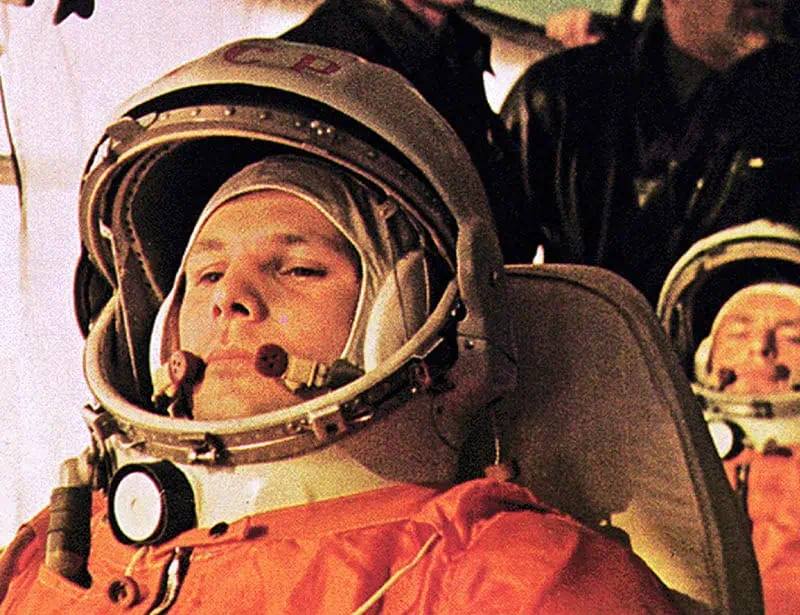
The Soviet Union established Cosmonautics Day in 1962, just a year after Gagarin's flight. Gherman Titov—the second human to reach space—actually proposed the idea to honor space achievements[3]. Soviet leadership grabbed the concept, seeing a clear way to celebrate their technical success during the Cold War.
Gagarin launched from Baikonur Cosmodrome that April morning under perfect blue skies. His spacecraft reached 327 kilometers above Earth during the flight. What thoughts must have raced through his mind seeing our planet as a whole for the first time? The mission proved humans could survive space travel despite serious questions about radiation and weightlessness.
In 2011, the UN formally named April 12 as the International Day of Human Space Flight. This declaration received support from over 60 nations that co-sponsored the resolution. Ban Ki-moon, UN Secretary-General at the time, noted that "Gagarin became the first envoy of humanity to outer space, opening the way for exploration that has generated important benefits for the human family"[2].
Beyond this international recognition, the day now serves as a bridge between Cold War competition and modern space partnerships. The genius behind Vostok's design—Sergei Korolev—made the mission possible despite limited resources. Most people knew him only as the anonymous "Chief Designer" until years after his death. This suggests Cosmonautics Day honors both individual courage and team achievement in equal measure.
Timeline of Cosmonautics Day Development
Gagarin completes first human spaceflight on April 12
Soviet Union creates Cosmonautics Day
International Astronautical Federation adopts the celebration
Celebrations expand following Soviet Union breakup
UN declares April 12 as International Day of Human Space Flight
60th anniversary events worldwide—and even aboard the ISS
Geographic Observance Patterns
Russia celebrates with special meaning across several key locations. Since the 1960s, Korolyov has hosted dawn gatherings at Gagarin's statue where cosmonauts and officials pay respects. Moscow's Red Square becomes the center for ceremonial wreaths each year.
The Cosmonaut Training Center in Star City offers special access to visitors during celebrations. The landing site near Engels attracts yearly visits from space enthusiasts. Cosmonauts Alley in Moscow features monuments to multiple generations of space pioneers.
Former Soviet republics maintain their own traditions that reflect their shared history. The UN designation has helped spread observances among international space agencies. Does your local science center recognize Gagarin's flight as the milestone it truly was?
Museums worldwide create exhibits highlighting both technical achievements and human stories behind space exploration. Space centers open their doors with programs focused on historical missions and future possibilities.
Celebration Traditions and Cultural Significance

The International Day of Human Space Flight involves three main elements:
- Science events connect past achievements with future goals. Research conferences bring experts together to discuss new technologies and mission plans. Museums display spacecraft models and authentic equipment—some even let visitors touch items that have been to space. Cosmonauts give talks sharing their experiences from orbit. Schools hold special classes that get students excited about science and engineering.
- Memorial ceremonies honor those who made space exploration possible. Officials place wreaths at monuments for cosmonauts who died pushing boundaries. Military honors accompany formal events at Gagarin's Kremlin Wall grave. Star City hosts gatherings where different generations of space travelers exchange stories. Speeches emphasize the line running from early pioneers to today's explorers.
- Public celebrations bring space excitement to everyday people. Towns create festival atmospheres with space-themed performances and activities. Stargazing events connect regular folks with the wider universe. Children create space art for competitions—and the winners see their work displayed for everyone to appreciate.
Modern Relevance and Global Participation
Cosmonautics Day links historical firsts with current space projects worldwide. ISS crews often broadcast special messages marking Gagarin's legacy—a fitting tribute from people actually orbiting Earth. Mars missions represent the next big step in exploration, building on what those early cosmonauts started.
Even private spaceflight companies now include the day in their educational programs. Space agencies develop special events highlighting human spaceflight achievements each April.
In practice, South Ural State University launched a new Student Engineering Bureau called “Asteroid” for student research. They were also weaving the Chelyabinsk meteorite event into lessons on celestial mechanics and asteroid protection[4]. Social media has transformed how people participate, with hashtags and virtual celebrations connecting space fans across continents.
Ways to meaningfully observe the day:
- Watch films about early space history
- Join local astronomy clubs for stargazing
- Connect with ISS crew through amateur radio
- Visit museums with spaceflight exhibits
- Create art inspired by space exploration
- Learn about your country's contributions to space programs
- Talk about space cooperation with online communities
Conclusion
Cosmonautics Day continues as both celebration of past courage and spark for future exploration. The first human space flight sparked the space age, which added a new dimension to human existence and the world we live in, as the United Nations put it.
April 12 reminds us yearly of our shared dreams beyond Earth. For all our differences, space exploration gives humanity common purpose. The journey that started with one cosmonaut's bravery moves forward through international teamwork in orbit and beyond.
Resources:
FAQs (Frequently Asked Questions)
Space fans now mark Cosmonautics Day both offline and online. The International Planetarium Society reports traditional ceremonies honoring space pioneers now work alongside virtual exhibits and digital education programs. Social media posts about historical space milestones reach millions worldwide. This shift mirrors how we consume most information today - through screens rather than solely in person.
Vostok 1 broke barriers we take for granted now. The spacecraft reached speeds of 27,400 kilometers per hour while traveling between 169-327 kilometers above Earth. When completed, it became our first full orbit by a human. The automated reentry system worked perfectly despite never being tested with a person aboard. Space agencies still point to this mission as proof humans can survive zero gravity and space radiation - facts that weren't certain until Gagarin returned safely.
Cosmonautics Day gets students excited about space and science careers. NASA research connects historical events like Gagarin's 1961 flight to higher interest in technical education fields. Since 2010, the ISS has hosted student experiments suggested by kids from different countries, according to the UN Office for Outer Space Affairs. Russia's yearly celebrations include museum events and science flash mobs that teach space concepts. Beyond this, the day helps different nations share teaching methods for space science.
April 12 marks both Gagarin's achievement and the start of today's space tourism dreams. Russia's space program, celebrated each Cosmonautics Day, built the foundation that makes orbital tourism possible at all. NASA's 2019 plan to open the ISS for commercial use and companies like Axiom Space planning their own orbital rooms build on this history. The day serves as a yearly reminder of how far we've come. Space industry analysts note the symbolic timing - tourist launches often get announced around April 12 to connect with this legacy.
When Gagarin first saw our planet from orbit, he called Earth "beautiful" and "blue" - words that changed how humans think about their home. This first human view from space started something big. Today's satellite images showing 60+ years of environmental changes often debut during Cosmonautics Day events. The contrast between what Gagarin saw and current Earth observation data tells a powerful story about our planet's health. This perspective from above helps people grasp large-scale environmental challenges that weren't visible before the space age.
Sources & References
- [1]
- United Nations Office for Outer Space Affairs. (2011). International Day of Human Space Flight, 12 April. (source)
↩ - [2]
- United Nations. (2011). General Assembly Declares 12 April International Day of Human Space Flight (Press Release GA/11066).
↩ - [3]
- Boris Yeltsin Presidential Library. (2024). Cosmonautics Day. World Aviation and Cosmonautics Day. International Day of Human Spaceflight.
↩ - [4]
- South Ural State University. (2018). Cosmonautics Day: Sergey Vaulin and Sergey Sapozhnikov about Perspectives Aerospace.
↩
Barbara is a former journalist who is passionate about translating important causes into engaging narratives. She combines communication expertise with an environmental science background to create accessible, fact-driven content.
