
The Psychology Behind Plastic Use Driving Consumption
Humans produce 353 million tons of plastic waste annually. So why do we continue this trend, even though we know the toll it takes on the environment? What is the psychology behind plastic use?
Plastic continues to flood our lives, and it's not just about being aware; it's about the psychological hooks that keep us coming back. Convenience calls the shots, societal habits are hard to shake, and cognitive dissonance—our ideals at odds with our choices—plays a big part.
To crack the code on our plastic fixation, we've got to dig into the mental gears at work. Choice psychology tells us that easy often beats eco-friendly5. Pinning down the why gives us a solid shot at reshaping habits.
- The thought processes fueling plastic use.
- The emotional currents steering our choices.
- Stress and its sway on green decisions.
- The push of social patterns and ad tactics on plastic habits.
- Blueprints for building sustainable routines.
Understanding how our brains work can help inform the changes needed to mitigate plastic waste. Research in 2020 pinpointed methods that combine aware and automatic choices as a winning formula for ditching disposables6.
Below, we explore the psychological factors influencing plastic reliance.
Dual-System Thinking: The Cognitive Basis of Plastic Consumption

Why do plastics become our go-to so easily? It's all about our decision-making brain work.
Daniel Kahneman introduced the Dual-System Theory15, mapping how we think:
- System 1: Fast, intuitive, almost effortless
- System 2: Slower, more calculated
System 1 is choosing a plastic bottle: simple, no heavy thinking. Think through the choice's impact, and you're in System 2 territory—more brain power is required.
Our brains often pick the path of least resistance—System 1. Imagine a parent under time pressure picking snacks. Even if they value eco-friendly choices, convenience wins out.
Want to cut back on plastic?
The Theory of Planned Behavior points to three influencing factors14:
- Personal attitudes
- Societal expectations
- How much control we think we have
Yet, even with solid intentions, daily grind, social norms, and habits can derail those eco-goals.
Heuristics, or our brain's quick judgments, also affect our use of plastic. Take the availability heuristic: we assess the commonness of events by how quickly examples pop to mind. Seeing little plastic pollution can lead us to underestimate it.
Cognitive load theory suggests why switching to eco-friendly habits can be challenging11. A preoccupied mind defaults to the path of least resistance, often meaning more plastic.
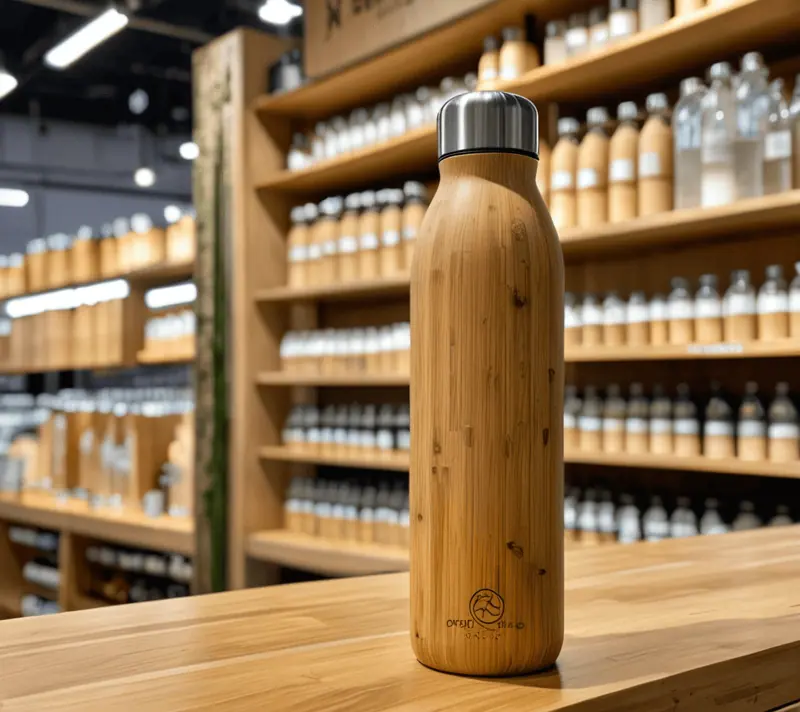
To close the gap between wanting to be eco-friendly and being it, we need to make green choices easy for System 1. Habitual actions, like always having a reusable water bottle, skip over the need for a daily debate.
Knowing how our brains tick helps us find strategies to reduce our plastic footprint. Awareness isn't enough; action is key. Let's tackle those ingrained biases that keep us stuck to plastic habits.
Overcoming Cognitive Biases in Plastic Use
How do we stop taking the mental path of least resistance that leads to too much plastic use? Tackling cognitive biases is crucial for altering our plastic habits.
We're dealing with four cognitive biases in our plastic use:
- Status quo bias: We default to what we know, even when it's subpar.
- Present bias: We choose what's easy now, not what's better for the future.
- Availability heuristic: If we don't see the harm often, we think it's rare.
- Optimism bias: We think we're less of the issue than others.
Here's what you can do:
- Let eco-friendly choices be the standard. Keep reusable bags where you grab your keys.
- Emphasize immediate gains of using less plastic, like saving money and enjoying the taste of fresh tap water.
- Use clear signs that urge smarter choices. Stick a "No Plastic" sign on your wallet.
- Be mindful during shopping. Stop to think of non-plastic options.
- Insert little eco-friendly tweaks into your day. Use reusable glass containers instead of plastic for storage.
Research by Nielsen et al. (2021) shows that personal gains can tackle present bias12. A reusable water bottle is thriftier and makes water taste better than plastic.
To overcome status quo bias, create environmental nudges. A 2019 study showed that placing reusable bags near store entrances increased their use by 25%2. Raising awareness for the environmental harm plastic water bottles and other plastic waste causes all support nudging in the right direction.
Don't let optimism bias fool you about your plastic footprint. Try keeping tabs on your plastic usage for one week. Seeing the real numbers can shake up your views.
Fighting cognitive biases helps our behavior match our green ideals. As we change our mental shortcuts, let's also look at how emotions drive our plastic habits.
Emotional Drivers and Psychological Barriers to Reducing Plastic Use
Our emotions are also a driving force behind our use of plastic packaging and goods. Understanding this can help us make wiser decisions.
Emotional triggers of plastic usage:
- Guilt: Regret over using plastic
- Anxiety: Fear for the planet's future
- Convenience: The lure of the easy path
- Psychological distance: Detachment from the issue at hand
Regret can push us towards greener choices. Worrying about environmental damage may prompt us to cut back on plastic. Yet, it can also paralyze us. Feelings of helplessness could result in ignoring the problem altogether. Research indicates eco-anxiety touches 68% of Americans, shaping shopping habits.
The appeal of convenience is undeniable. Despite awareness of its damage, ease often wins. A 2024 study by Deloitte found that 59% of UK consumers are committed to reducing waste, and one-third are willing to pay more for sustainable products and services16.
When plastic pollution feels like someone else's issue, we're unmoved. Bridging this gap is crucial. Virtual reality experiences, for example, vividly demonstrate the effects of plastic on aquatic life.
Emotional Appeals in Environmental Campaigns
Campaigns tap into our emotions to inspire change. They must, however, pair emotional impact with tangible steps to prevent discouragement and promote positive attitudes to change.
The affect heuristic guides our hand here. A study by Brosch et al. (2022) found that positive emotions like hope were more effective in promoting sustainable behaviors than fear-based messages9.
To navigate these emotional barriers:
- Recognize your sentiments about plastic
- Link everyday decisions to environmental outcomes
- Simplify access to green alternatives
- Employ mindfulness to align your actions with eco-values
Recognizing the emotional components can lead to smarter strategies for reducing plastic dependency. Next, we look into how stress impacts our eco-conscious decisions.
Stress and Environmental Choice: The Convenience Trap
How does stress influence our green choices?
Stress can block our efforts to choose eco-friendly options, often increasing plastic consumption. When overwhelmed, our brains have less power to say no to easy plastic solutions.
Stress alters our decisions in key ways:
- Cognitive depletion: Saps the mental energy needed for smart choices
- Decision fatigue: Wears down our decision-making as the day progresses
- Comfort seeking: Pushes us toward familiar, easy-to-grab plastic items
- Short-term focus: Makes us prioritize now over the future, ignoring the planet's health
Consider a busy parent turning to snacks in throw-away wrappings, although they usually avoid waste.
Here are better choices to sidestep stress-triggered plastic grabs:
- Mindfulness breaks: Brief pauses can cut impromptu plastic usage
- Ready-set-go: Pack eco items beforehand to avoid snap judgments under pressure
- Block time: Organize your day to lower rush-induced stress
- Regular workouts: Encourage stress control and sharp thinking
- Visual prompts: Keep reusable reminders in plain sight
Try more mindful purchasing: Before buying, inhale deeply three times. Think, "Do I need this plastic? Are there any alternatives?" This moment can cut the stress-plastic link.
Long-standing stress leads to a habit of trading off sustainability for ease. Acknowledging this, some businesses are pushing accessible green alternatives. For instance, coffee shops may cut customers' prices with reusable mugs.
Mastering stress lets us pick less plastic. Understanding stress in everyday choices is key. We should also explore how our societal setup affects our plastic use.
Social Norms and Cultural Influences in Plastic Use Behavior
Our habits with plastics are intertwined with the influences of friends and culture.
Two kinds of social norms sway us:
- Descriptive norms: Our actions mirror what we see others doing.
- Injunctive norms: We're concerned with what others think is acceptable.
Seeing neighbors opting for reusable bags may prompt us to do the same. If we live in a community that prioritizes waste reduction, we may join in to reduce plastic usage.
Cultural Cognition and Plastic Use
Cultural norms can dictate plastic usage. For example, certain Asian countries consume more plastic due to the normalization of wrapping food. Meanwhile, German recycling habits lead to less plastic waste7.
According to social identity theory, belonging to social groups steers our actions. Aligning with our group's stance on plastics, like eco-groups avoiding single-use plastics, is common.
A 2021 Pew Research study shows that millennials are spearheading change10, with 71% ready to alter their lifestyles to decrease waste, compared to 57% of baby boomers.
However, the ease of using plastic sometimes conflicts with our eco-awareness, causing cognitive dissonance – when our actions don't reflect our beliefs.
Social media influences, like influencers promoting zero-waste, encourage broader change. Recognizing these social and cultural elements is fundamental in crafting successful plastic reduction methods. Next, we'll examine how marketing psychology affects plastic purchases.
The Psychology of Marketing and Plastic Consumption
How do people end up buying so many plastic products?
It's largely down to marketing strategies that snag our automatic thinking and ramp up plastic item sales.
Persuasion Techniques in Plastic Marketing
Marketers deploy cunning psychological maneuvers:
- Emotional appeals to our love for ease and comfort
- Showing widespread use of products as proof of quality
- Time-sensitive offers to create a sense of urgency
- Endorsements by respected figures
- Giving away samples to foster goodwill
These tactics tend to short-circuit thoughtful decision-making and spur on-the-spot purchases.
Take a bottled water commercial featuring athletes: it plays on our health aspirations, coaxing us into hasty, feel-based buying.
Green Marketing and Greenwashing
Some brands turn to "green marketing" to win over environmentalists. Yet, this can veer into greenwashing, where products are falsely portrayed as planet-friendly.
Research shows a 35% surge in people picking products in green packaging4, even when their environmental impact is questionable. Clearly, marketing wields significant influence over our views and choices.
Social Media and Plastic Consumption

Social media's role in shaping our plastic habits is increasingly significant. While influencers advocating for a zero-waste life can motivate us to reduce plastic use, the barrage of advertised products, typically enveloped in plastic, has the opposite effect.
Resisting Marketing Influence
To counter marketing's pull:
- Stop to consider before any purchase
- Evaluate your actual need for the item
- Always opt for alternatives to plastic
- Assess the truth of green marketing messages
- Delay buying things you don't urgently need
Positive Marketing for Sustainability
However, not all marketing steers us in the wrong direction. Some businesses harness marketing's power to boost sustainable practices. The SHIFT framework - leveraging Social dynamics, Habit building, Personal Identity, emotional response, and practicality - is a blueprint for eco-friendly consumer behavior.
Grasping these tactics lets us choose more wisely regarding plastics. However, transforming this knowledge into tangible behavior change is the real challenge. Next, we’ll investigate habit-building and behavioral shifts in plastic use to find out how.
Habit Formation and Behavior Change in Plastic Use
How do we swap out plastic for more eco-friendly choices?
Tackling our reliance on plastic is challenging, but it's within reach with the right techniques and a solid understanding of habit development.
The Habit Loop and Plastic Use
Charles Duhigg presents a model for how habits function:
- Cue: Triggers our actions
- Routine: The action we perform
- Reward: What we gain from the action
To switch a plastic habit, keep the cue and reward but switch up the routine. For example, quench your thirst with a refillable bottle instead of a disposable one.
Strategies for Plastic Reduction Habits
- Goal-specific plans: For instance, remember to take reusable sacks when shopping.
- Link new actions to current routines: Pack a reusable spoon along with your lunch.
- Rearrange your space to support eco-friendly choices: Hang reusable bags near your exit.
- Accountabilty with friends or via group initiatives.
- Combine plastic reduction with pleasures: Enjoy a podcast while you rinse out recycling.
Understanding Change Stages for Plastic Reduction
According to the stages of behavior change:
- Precontemplation: Not realizing plastic is a problem
- Contemplation: Thinking about cutting down on plastic
- Preparation: Readying to use less plastic
- Action: Actively choosing alternatives to plastic
- Maintenance: Keeping up with the reduced plastic lifestyle
Knowing where you are in this process helps pinpoint the right strategy13.
Bouncing Back from Setbacks
Hiccups are part of habit modification. To remain on course:
- Respond with kindness to yourself when mistakes happen
- Spot what leads to plastic use
- Anticipate and prepare for challenges
- See slip-ups as part of the learning curve
Evidence of Large-Scale Behavior Modification

San Francisco's ban on plastic bags reduced plastic bag trash by 72%. This shows how laws can complement personal efforts to shape habits.
Shifting habits is a gradual process—the average span to solidify a new one is 66 days8, say Lally and colleagues. The steady efforts count for the lasting reduction in plastic use.
From Intention to Action: Bridging the Value-Action Gap
Why isn't our green mindset always leading to greener actions? The disconnect between wanting to do good and actually doing it, known as the value-action gap, poses a stubborn hurdle in curtailing plastic waste.
Kollmuss & Agyeman (2002) identified key factors contributing to this gap3:
- A lack of eco-awareness
- External limits, like scarce recycling facilities
- No immediate insight into the effects of our choices
- Deep-seated routines
- Feeling powerless to effect change
Cognitive dissonance theory explores the unease we experience when our deeds don't match our ideals. This tension might spur us to reduce our use of plastic or simply justify our usage.
Actions to close the gap include:
- Enhance understanding: Grasp the real effects of plastic pollution.
- Tackle hindrances: Work to eliminate barriers to reducing plastic dependency.
- Monitor results: Use apps to observe your plastic footprint and its impact.
- Build belief in your influence: Initiate change with attainable objectives.
- Plan your actions: Make specific pledges, like bringing a reusable mug when you purchase coffee.
Research by Bamberg & Möser (2007) underscores that an amalgamation of awareness, societal norms, and personal accountability drive pro-environmental behavior and eco-consistent habits1.
Case Study: University of Leeds Plastic Pledge (2018-2020)
In 2018, the University of Leeds in the UK launched a comprehensive plastic reduction strategy called the "Single Out: 2023PlasticFree" campaign. This initiative aimed to eliminate all single-use plastic from their operations by 2023.
Key strategies implemented:
- Removed single-use plastic bottles from vending machines and catering outlets.
- Installed over 200 water fountains across campus.
- Introduced a reusable cup scheme in cafes, with discounts for those using them.
- Replaced plastic cutlery with wooden alternatives in food outlets.
- Engaged students through awareness campaigns and sustainability pledges.
Results (as of 2020):
- Eliminated over 1 million single-use plastic items annually.
- Reduced plastic bottle usage by 80%, saving 43,000 bottles per month.
- Achieved a 95% reduction in single-use plastic from catering operations.
- Engaged over 8,000 staff and students in the pledge to reduce plastic use.
This case study demonstrates a comprehensive approach to plastic reduction by combining infrastructure changes, incentives, and community engagement. It also provides specific, measurable outcomes over a multi-year period.
Conclusion
Using plastic is a habit deeply rooted in our mind's everyday workings. We make snap judgments and also ponder deeply about using plastic, influenced by our surroundings, emotions, and societal pressures.
Continued studies in environmental psychology and economic behavior will illuminate smarter ways to reduce plastic use. Such knowledge enables lawmakers to enact more effective laws, and innovation makes green options more attainable.
Every small act matters in the fight against plastic waste. We can narrow the gap between knowing better and doing better by employing these tips. Our collective small tweaks can significantly reduce plastic pollution.
Which plastic use are you willing to drop to honor your eco-friendly stance? Transitioning to mindful usage, one action at a time paves the way for a lasting shift in habits that can help us all reduce plastic waste together.
FAQs
People often choose plastic for its convenience, affordability, and durability. Cognitive biases like the status quo bias make it difficult to change established habits, even when aware of environmental impacts.
Awareness of plastic pollution can lead to eco-anxiety, a chronic worry about environmental decline. This can cause stress and feelings of helplessness, particularly when individuals feel their actions don't significantly impact the larger issue.
Several factors, including habit formation, convenience-based biases, and immediate gratification, hinder reducing plastic use. Cognitive dissonance also plays a role when individuals fail to align their actions with their environmental beliefs.
Convenience bias leads people to prefer the easiest and quickest option. Plastic products often fit this need as they are widely available, lightweight, and disposable, making them the go-to choice in hectic, modern lifestyles.
Plastic products provide immediate benefits, such as ease of use and quick disposal. This instant gratification can reinforce habitual use, making it harder to switch to more sustainable, yet possibly less convenient, alternatives.
Glossary Terms:
| 1 | Bamberg, S., & Möser, G. (2007). Twenty years after Hines, Hungerford, and Tomera: A new meta-analysis of psycho-social determinants of pro-environmental behaviour. Journal of Environmental Psychology, 27(1), 14-25. |
| 2 | Thomas, G. O., Sautkina, E., Poortinga, W., Wolstenholme, E., & Whitmarsh, L. (2019). The English Plastic Bag Charge Changed Behavior and Increased Support for Other Charges to Reduce Plastic Waste. Frontiers in Psychology, 10, 423041. |
| 3 | Kollmuss, A., & Agyeman, J. (2002). Mind the Gap: Why do people act environmentally and what are the barriers to pro-environmental behavior? Environmental Education Research, 8(3), 239–260. |
| 4 | White, K., Habib, R., & Hardisty, D. J. (2019). How to SHIFT Consumer Behaviors to be More Sustainable: A Literature Review and Guiding Framework. Journal of Marketing. |
| 5 | Heidbreder, L. M., Bablok, I., Drews, S., & Menzel, C. (2019). Tackling the plastic problem: A review on perceptions, behaviors, and interventions. Science of The Total Environment, 668, 1077-1093. |
| 6 | Heidbreder, L. M., Bablok, I., Drews, S., & Menzel, C. (2020). Tackling the plastic problem: A review on perceptions, behaviors, and interventions. Science of The Total Environment, 668, 1077-1093 |
| 7 | Napper, I. E., & Thompson, R. C. (2020). Plastic Debris in the Marine Environment: History and Future Challenges. Global Challenges, 4(6), 1900081. |
| 8 | Lally, P., van Jaarsveld, C. H. M., Potts, H. W. W., & Wardle, J. (2010). How are habits formed: Modelling habit formation in the real world. European Journal of Social Psychology, 40(6), 998-1009. |
| 9 | Brosch, T., Patel, M. K., & Sander, D. (2014). Affective Influences on Energy-Related Decisions and Behaviors. Frontiers in Energy Research, 2, 81544. |
| 10 | Pew Research Center. (2021). Gen Z, Millennials Stand Out for Climate Change Activism, Social Media Engagement With Issue. Pew Research Center. |
| 11 | Sweller, J. (1988). Cognitive Load During Problem Solving: Effects on Learning. Cognitive Science, 12(2), 257-285. |
| 12 | Nielsen, K. S., Cologna, V., Lange, F., Brick, C., & Stern, P. C. (2021). The case for impact-focused environmental psychology. Journal of Environmental Psychology, 74, 101559. |
| 13 | Prochaska, J. O., & Velicer, W. F. (1997). The transtheoretical model of health behavior change. American journal of health promotion : AJHP, 12(1), 38–48. |
| 14 | Ajzen, I. (1991). The theory of planned behavior. Organizational Behavior and Human Decision Processes, 50(2), 179-211. |
| 15 | Kahneman, Daniel, 1934-2024, author. ( 2011). Thinking, fast and slow. |
| 16 | Fenech, C., Majury, A., & Walton, D. B. (2024). The Sustainable Consumer. Deloitte LLP. |
