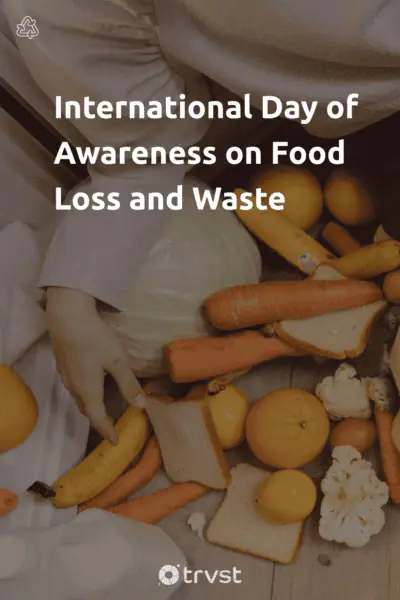
International Day of Awareness on Food Loss and Waste
The United Nations Environment Programme (UNEP) and the Food and Agriculture Organization (FAO) established September 29 as the International Day of Awareness on Food Loss and Waste to raise awareness on how we deal with food we could've eaten. Start the discussion and encourage support by reading more of this day below.
Key Info: International Day of Awareness on Food Loss and Waste Reduction
- When is International Day of Awareness on Food Loss and Waste Reduction?
Occurs annually on the 29th of September - This Year (2026):
Tuesday, September 29, 2026 -
Future Dates
- Wednesday, September 29, 2027
- Friday, September 29, 2028
- Saturday, September 29, 2029
-
Additional Details
- Observed By: UN member states, governments, NGOs, private sector, educational institutions, and citizens globally
- Where Is It Observed: International
- Primary Theme: Food Waste Reduction and Sustainability
- Hashtags: #FoodLossWasteDay #StopFoodLoss #FLWDay #SaveFood #SDG12
Quick links: International Day of Awareness on Food Loss and Waste Reduction
Why the International Day of Awareness on Food Loss and Waste Matters

Food waste or loss is a significant but often overlooked aspect in production up until our homes. It encompasses the decrease in edible food mass at every stage of the global food supply chain, from raw materials to retailers, often due to handling, storage, processing, or distribution. This loss can occur due to logistical hiccups, infrastructure gaps, or natural disasters.
Moreover, food loss affects not only the food on our plates but also the energy, water, land, and labor invested in its production. A wasted resource and an added environmental strain, it is a missed opportunity to feed over 700 million people who go to bed with empty stomachs.
The International Day of Awareness on Food Loss and Waste Reduction highlights this global food security issue and appeals to everyone to be part of the solution.
Data and Statistics
The Food and Agriculture Organization reports that we throw away $1 trillion of food annually, generating 8 to 10 percent of global greenhouse gas emissions.
Approximately 19% of consumable food is squandered at the retail, food service, and household stages. This waste is in addition to the 13% of global food supply lost post-harvest and before retail.
We waste approximately one-third of all food produced for human consumption, using 28% of the world’s agricultural land.
How to Prevent Food Loss and Reduce Waste

- Make a detailed grocery list based on the meals planned for the week to ensure that only needed items are purchased.
- To promote food safety, use airtight containers, refrigeration, or freezing. For example, store fruits and vegetables in the fridge to keep them fresher longer and freeze leftovers for future meals.
- Compost organic waste like fruit peels, vegetable scraps, coffee grounds, and eggshells.
- Donate surplus food to local food banks or shelters.
- Learn to understand food expiration dates. Many people throw away food because they misinterpret these dates as safety indicators when they are often about quality. You can consume food safely after the "best before" date, reducing unnecessary waste.
Brief Timeline of International Day of Awareness on Food Loss and Waste
FAO publishes a report titled "Food Wastage Footprint: Impacts on Natural Resources," which illuminates the environmental, economic, and social impacts of food waste and loss.
The European Union declares a year of action against food waste.
The United Nations General Assembly adopts the Sustainable Development Goals (SDGs). One of its specific targets (12.3) is to halve per capita global food waste at the retail and consumer levels and reduce food losses along production and supply chains by 2030.
The United Nations General Assembly passes resolution A/RES/74/209, designating September 29th as the International Day of Awareness of Food Loss and Waste.
IDAFLW Themes and Hashtags
| September 29, 2020 | Stop Food Loss and Waste. For the People. For the Planet. |
| September 29, 2021 | Same as 2020 |
| September 29, 2022 | Same as 2020 |
| September 29, 2023 | Reducing Food Loss and Waste: Taking Action to Transform Food Systems |
| September 29, 2024 | Climate Finance for Food Loss and Waste Reduction |
- #FoodLossAwareness
- #WasteReductionDay
- #ZeroHunger
- #SustainableLiving
- #FoodWasteAction
Conclusion
The International Day of Awareness on Food Loss and Waste highlights the need for systemic change to tackle food waste. Let us reduce food waste through conscientious shopping and finding creative ways to use leftovers while holding accountable public and private entities to do their part.
Resources:
FAQs (Frequently Asked Questions)
When food is lost or wasted, the resources used to produce this food, such as water, land, energy, labor, and capital, are also lost. Furthermore, food loss and waste disposal in landfills lead to greenhouse gas emissions, contributing to climate change.
We can plan meals, store food properly, and compost food scraps.
These key factors are poor infrastructure, lack of storage facilities, and inadequate transportation systems.
Businesses and organizations can implement efficient supply chain management practices and donate surplus food to needy people.
Mike is a degree-qualified researcher and writer passionate about increasing global awareness about climate change and encouraging people to act collectively in resolving these issues.
Fact Checked By:
Isabela Sedano, BEng.