Can You Recycle Tires? A Guide To Tire Recycling

Tires are essential to our economic development as they enable us to transport goods and services from one location to another. They are made from various materials, with rubber polymers as the primary raw material. Considering polymers are non-biodegradable, can you recycle tires? Yes!
Given the number and variety of automobiles on earth, we have a high rate of tire disposal. We can’t dispose of tires in landfills because they attract mosquitoes, house snakes, ticks, and rodents. They are also a fire hazard because they catch fire quickly.
According to the U.S. Tire Manufacturers Association, 40 states prohibit the disposal of whole tires in landfills but allow shredded tires. Meanwhile, 14 states have banned the disposal of both entire and shredded tires1.
In this article, we will explore the various tire recycling methods and look into tire recycling processes in centers. We will also discuss recycled tire products you can support.
Table of Contents:
Is tire recycling possible?

Yes, tire recycling is possible. If it weren’t, the planet would be in such big trouble. Tires are one of the most recycled products in the United States. Since they are generally durable, you can repair them multiple times until they stop working altogether.
However, as the human population increases, the demand for tires also increases. We need proper tire waste management because old tires can cause environmental rubber pollution. Dumping tires at landfills is terrible because tires are bulky—they take up space and do not biodegrade.
If you are curious about the recyclability of other everyday items, check out our article on old cell phones, glass, and bubble wrap.
How to recycle tires?
Before we discuss recycling tires, let’s discuss the materials used to produce them. The primary material is rubber, and other materials give them a sturdy shape, ensuring they are suitable for vehicles. Tire manufacturers also use steel, fabric fillers, antiozonants, carbon black, synthetic rubber, natural rubber, and accelerators.
This mix of materials makes recycling difficult, but we can give old tires a new life. Here are four methods for tire recycling:
Reuse old tires
Instead of disposing of tires at landfills, you can reuse and upcycle them into new products. Their durability makes them perfect for DIY crafts and repurposing projects. You can repurpose used tires into a classic tire swing with a tree in your yard. You must get a rope or chain and attach it to the tree.
Remember to drill holes into the lower part of the tire to prevent rainwater from accumulating. You can also use scrap tires to make a bed for your pet. Paint the tire to match your home’s aesthetic and fill the middle with soft padding.
Another way to give used tires a new life is to use them as plant holders in your yard instead of spending money on vases and plant pots. Decorate the tire with sisal rope or paint before filling it with soil and your desired plant.
Next is using them as a table base—stack as many times as needed to achieve your desired height before placing the tabletop. You can go crazy with the decoration to suit your aesthetic, saving you from spending money on a wooden or steel table base.
You can use tires to form a border around your yard. Place the tires on the edge and fill them with sand. Finally, they also make good exercise tools. You can use them as weights during sit-ups and jumping jacks or as an obstacle course.
Drop off at a tire recycling center.
Given how harmful improper tire disposal is to the environment, many states in the U.S. have tire recycling facilities to help the public handle waste tires. Search for one near you to drop off waste tires.
These facilities use recycling technology to process tires into tire-derived by-products. These products include tire-derived fuel burned instead of fossil fuels, landscaping mulch, commercial flooring, and rubberized asphalt. They also sell other tire parts, like crumb rubber, fiber, and steel, to other industries.
Some centers charge a small fee for recycling tires, while others do it for free. You can keep the waste until municipal collection programs drop off days. Call your local waste management service to see if they offer tire pick-ups or have specific drop-off days. You can also use Green Directory or Recyclepedia to find a recycling facility nearby.
End-of-life Tires Exchange
Exchanging old tires for new ones will cost you nothing. Go to a nearby garage or tire retailer for this exchange, so you don’t have to deal with recycling companies directly. The garage will communicate with the designated recycling facility.
You can also donate scrap tires to a facility like Wheel for Wishes. Wheel for Wishes raises funds from your donation to help children in the local community. It is in California, New York, Massachusetts, Florida, and other states across America.
Sell rims and steel weights to scrap metal yards.
Most recycling centers do not accept aluminum rims and steel weights. So you have to remove them before dropping them off for recycling. You can sell them to scrap metal yards, tire retread shops, and automobile salvage yards at a small cost. These shops only purchase rims with a high resale value.
Tire Recycling Process
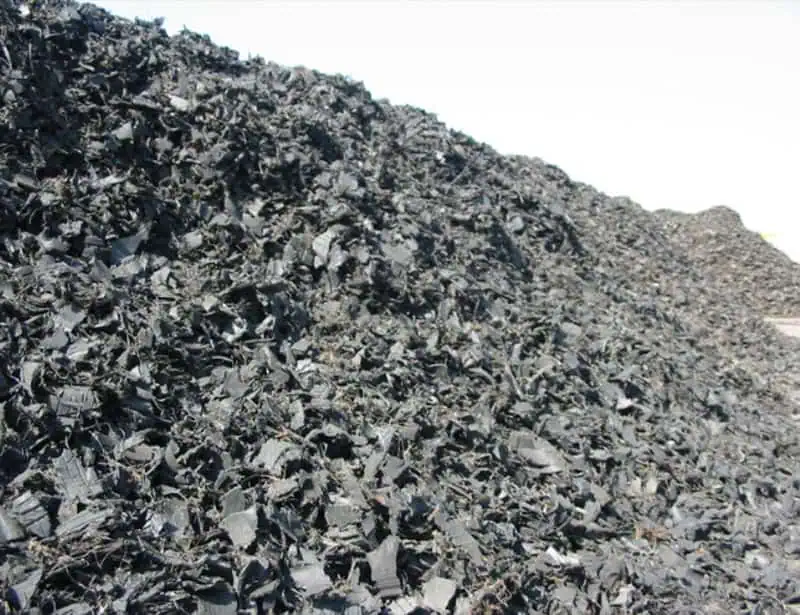
There are various processes involved in tire recycling. The first process is removing the steel wires that make the rubber sturdy. The wires are separated into a pile of metal to be reproduced into new steel items.
Then, they process the tire into ground rubber using a tire shredder. The shredder cuts the tire into 2-inch pieces before treating it with chemicals. Recyclers use mechanical and cryogenic methods at this stage.
The cryogenic method freezes the tires with liquid nitrogen before breaking them into crumbs with a hammer mill. In contrast, the mechanical method uses a particular machine to grind the tires into small pieces. In the mechanical process, a special granulator regulates the sizes of the shredded rubber.
The next stage of tire recycling is screening the shredded rubber to remove contaminants that can disrupt the use of tire-derived aggregate. After sorting the recycled tires, recyclers clean them thoroughly before packing them. They then sell these packaged shredded tires to manufacturers in different sizes, from rubber chips to granules and powder.
Products Made From Recycled Tires
- Road construction companies and asphalt companies use shredded rubber polymers, also known as tire-derived aggregate, to make pavements because they are cheaper. They also use a large volume of medium-sized scrap tires in road beds to reduce vibration.
- Tire manufacturers use recycled rubber to make new tires, reducing the cost of producing new tires from scratch.
- Landfill areas use shredded tires as leachate lines and build new cells.
- Tire-derived fuel is used at incineration plants and steel mills because it burns at high temperatures. The tires used for tire-derived fuel are converted to energy using tire pyrolysis.
Conclusion
Given the nature of rubber, the amount of tires recycled should always keep up with the number of tires manufactured. Dumping tires is not the solution since it could lead to tire fires, which are difficult to put out and can burn for months.
Tire recycling offers numerous economic and environmental benefits. We can use recycled scrap to produce new tires and as a fuel and energy source.
Glossary Terms:
| 1 | U.S Tire Manufacturers Association. (2021). 2021 US Scrap Tire Management Summary. |
Jen’s a passionate environmentalist and sustainability expert. With a science degree from Babcock University Jen loves applying her research skills to craft editorial that connects with our global changemaker and readership audiences centered around topics including zero waste, sustainability, climate change, and biodiversity.
Elsewhere Jen’s interests include the role that future technology and data have in helping us solve some of the planet’s biggest challenges.