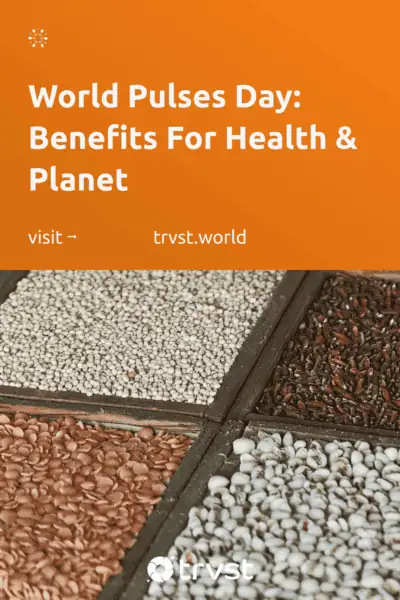
World Pulses Day: Benefits For Health & Planet

Love beans, lentils, and peas? Join World Pulses Day every February 10. The UN General Assembly created this observance back in 2018. The Food and Agriculture Organization now coordinates activities worldwide, promoting these nutritious legumes for sustainable food systems.
This awareness day was first launched in 2019. It built on momentum from the successful 2016 International Year of Pulses. Individual choices in kitchens actually aggregate into meaningful food system change. Every person who discovers pulses contributes to nutrition security globally.
Key Info: World Pulses Day
- When is World Pulses Day?
Occurs annually on the 10th of February - This Year (2026):
Tuesday, February 10, 2026 (date has passed) - Official Website: World Pulses Day
-
Future Dates
- Wednesday, February 10, 2027
- Thursday, February 10, 2028
- Saturday, February 10, 2029
- Sunday, February 10, 2030
-
Additional Details
- Observed By: Governments, agricultural organizations, educational institutions, pulse producers, and civil society worldwide
- Where Is It Observed: International
- Primary Theme: Sustainable Agriculture and Nutrition
- Hashtags: #WorldPulsesDay #Pulses #SustainableAgriculture #FAO #UnitedNations #HealthyDiet #Biodiversity #ClimateAction
Quick Links: World Pulses Day
What Are Pulses and Why This Day Exists

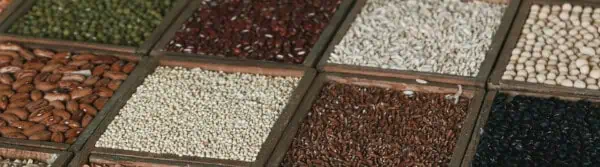
Pulses are dried edible seeds. Lentils, chickpeas, dried beans, peas. Fresh versions don't qualify in this category.
These crops pack exceptional nutritional power; pulses contain 21-25% protein, with newly developed varieties exceeding 30% protein content. They provide two to three times more protein per gram than common cereals. Beyond protein, they deliver fiber, iron, and folate. All of these are essential nutrients that combat malnutrition.
Why does this matter for farmers? Pulses fix atmospheric nitrogen through root bacteria. This reduces the need for synthetic fertilizer in subsequent crops by up to 30%.
Climate-resilient varieties thrive where other crops struggle. The UN prioritized creating this awareness day because pulses address multiple challenges simultaneously.
The Founding Story
Burkina Faso proposed the resolution creating World Pulses Day. UN General Assembly resolution A/RES/73/251 passed December 20, 2018. The FAO became the designated implementing organization for coordination worldwide.
The first official observance occurred in 2019. This permanent designation grew from overwhelming success during 2016's International Year of Pulses.
That one-time campaign showed sustained momentum was needed. A dedicated day maintains awareness and action around these transformative crops.
Themes and Campaign Focus
The FAO establishes themes for World Pulses Day each year. These focus areas rotate through nutrition, sustainability, and biodiversity aspects.
Current themes appear on worldpulsesday.org. This guides messaging across participating countries and organizations.
Here are the themes from previous years:
| 2026 | Pulses of the World: From Modesty to Excellence |
| 2025 | Pulses: Bringing Diversity to Agrifood Systems |
| 2024 | Pulses: Nourishing Soils and People |
| 2023 | Pulses for a Sustainable Future |
| 2022 | Pulses to Empower Youth in Achieving Sustainable Agrifood Systems |
How to Celebrate and Participate

World Pulses Day offers participation opportunities at every scale.
Individual Actions include cooking pulse-based meals and sharing recipes using #WorldPulsesDay on social media. People can educate family members about nutritional benefits. Making personal pledges to increase pulse consumption creates accountability—small steps that add up.
Community Activities expand local awareness through cooking demonstrations. School educational sessions work well. Community centers can host pulse tastings, and farmers' markets feature pulse-focused events.
Organizational Engagement involves official partnerships through worldpulsesday.org. Workplaces coordinate awareness campaigns and publish educational resources.
Supporting pulse farmers and research initiatives creates lasting results. The official website worldpulsesday.org and fao.org/world-pulses-day/en provide downloadable materials and participation guides.
Global Reach and Participation
The FAO coordinates worldwide observance with expanding engagement. Governments, NGOs, and educational institutions participate across continents. Pulse industry groups, agricultural communities, and researchers also join.
Active participating countries include Peru, Japan, Singapore, Ukraine, Pakistan, and Myanmar. This geographic diversity shows universal relevance.
According to FAO Director-General QU Dongyu, "Their versatility and resilience can improve both the health of our soils and of local communities."
Taking Action
February 10 returns as World Pulses Day. Anyone can participate through accessible actions that collectively advance food security goals.
Official resources provide downloadable materials and participation toolkits. Early planning strengthens next observance.
Individual participation connects directly to outcomes: supporting sustainable agriculture, improving nutrition awareness, strengthening food security systems. Kitchen choices connect to worldwide transformation.
Promote pulses in relevant events like National Farm-City Week and National Nutrition Month.
Resources:
FAQs (Frequently Asked Questions)
Think of it this way - the International Year of Pulses happened once in 2016. World Pulses Day? That's every February 10 since 2019. Burkina Faso saw how well the 2016 campaign worked and pushed for a permanent annual event. The International Year got people talking about pulses globally. World Pulses Day keeps that conversation going with fresh themes each year.
Contact the Food and Agriculture Organization (FAO) directly for official partnership opportunities. Many organizations create their own pulse-focused programming around February 10. This includes educational workshops, cooking demonstrations, and social media campaigns highlighting local pulse varieties. The FAO provides toolkit resources and promotional materials for registered participants.
Recent themes show clear patterns. 2024 focused on "Pulses: Nourishing soil and people." 2025 brings "Pulses: Bringing Diversity to Agrifood Systems." Earlier years highlighted youth engagement and soil health benefits. Each theme tackles a different angle - nutrition, environment, or agricultural diversity. The FAO rotates these focus areas to keep messaging fresh while covering pulse benefits comprehensively.
Start local, think global. Lentils, chickpeas, dried beans, black-eyed peas - they all count as pulses. Your region determines the best choices. Cowpeas and pigeon peas work well in developing areas because they handle tough climates. Lentils and chickpeas pack serious protein density anywhere. The key insight? Local varieties support nearby farmers while hitting all the observance goals.
The data picture stays incomplete here. Global pulses trade hit 20.3 million tonnes in 2023 - that's 11% higher than 2022, reports the International Grains Council. But connecting this directly to World Pulses Day awareness? The research doesn't establish that link clearly. The FAO keeps expanding programming each year, which suggests growing participation. Independent impact studies on consumption changes or awareness shifts aren't publicly available yet.
Barbara is a former journalist who is passionate about translating important causes into engaging narratives. She combines communication expertise with an environmental science background to create accessible, fact-driven content.