International Green Week: Global Agriculture Summit

International Green Week transforms Berlin into agriculture's global epicenter every January. One of the world's oldest agricultural exhibitions has been connecting international food systems since 1926. Ten days bring together 1,600 exhibitors from nearly 60 countries at Messe Berlin.
Agriculture ministers show up. So do sustainability innovators and trade professionals, all working to shape farming's future. This event stands as agriculture's most influential annual gathering.
Key Info: Internationale Grüne Woche Berlin
- When is Internationale Grüne Woche Berlin?
10-day event starting on the third Friday of January annually - Official Website: Grüne Woche Berlin
-
Additional Details
- Observed By: Agricultural producers, food industry professionals, government delegations, and consumers globally
- Where Is It Observed: Berlin, Germany
- Primary Theme: Agriculture, Food Production, and Rural Development
- Hashtags: #GrueneWoche #InternationalGreenWeek #Agriculture #FoodExpo #Berlin #SustainableFarming #RuralDevelopment
Quick Links: International Green Week
Why International Green Week Matters for Global Agriculture
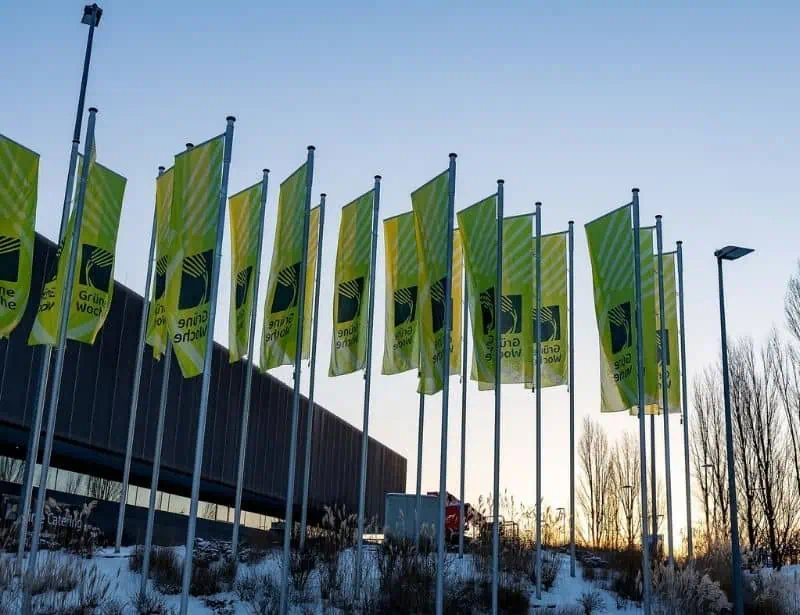
This exhibition drives agricultural transformation via direct ministerial engagement worldwide. The Global Forum for Food and Agriculture assembles 70 agriculture ministers alongside FAO, World Bank, and WTO representatives.
Federal Agriculture Minister Cem Özdemir points to "the importance of compromises, which are necessary for a sustainable agricultural and food industry".
Agricultural innovation gains clear momentum here. Technology demonstrations connect with international partnerships, partnerships that span continents. Food security initiatives link research institutions with implementation programs. Climate-smart farming solutions find global pathways via Berlin's expertise.
What other single week generates more agricultural policy influence? Trade relationships established here produce bilateral agreements worth billions. Theory becomes practice.
Complete Participation Guide

Professional Trade Access & Registration
Agricultural technology companies, food manufacturers, and policy organizations register via specialized trade channels; professional credentials unlock exclusive networking sessions with industry decision-makers.
Exhibitor Applications & Requirements
Companies secure exhibition space using Messe Berlin's application process. Country pavilions offer cost-effective international market entry for emerging producers.
Consumer Experiences
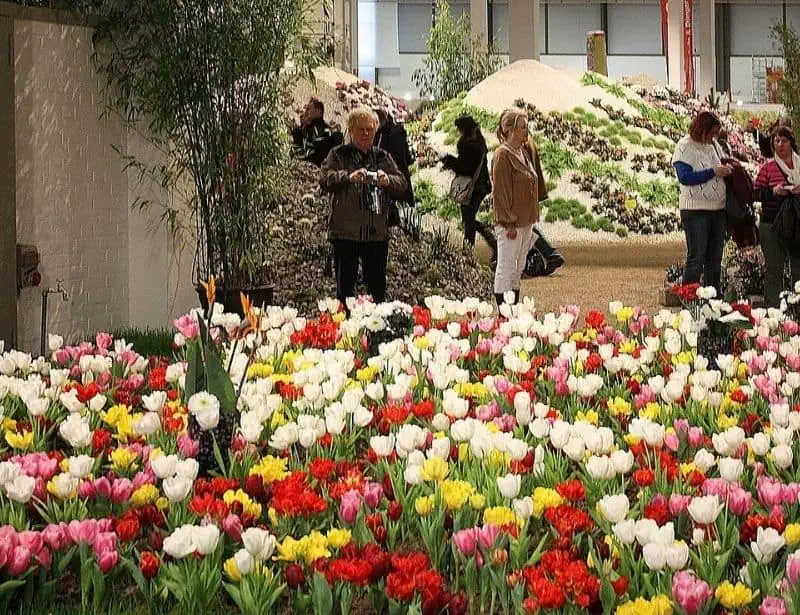
General admission provides access to food stands, live cooking shows, sustainability workshops, the most-awaited flower hall, and many more. Many exhibitors offer special activities for school classes and youth groups.
Strategic Networking
Professional meetups connect supply chain segments. Country-specific events facilitate international trade development across agricultural sectors.
Timeline
Berlin's Green Week debuts as a local agricultural and commodity exhibition, attracting 50,000 visitors across 7,000 square metres.
The exhibition continues during the Nazi era, reflecting the political and historical changes affecting Germany.
The Green Week resumes after its wartime interruption, marking the return of the agricultural exhibition in postwar Berlin.
The event is renamed International Green Week, formalizing its international orientation around agriculture, food and horticulture.
German reunification transforms the exhibition's reach, bringing visitors from East Germany and contributing to a record attendance of more than 690,000.
The five newly established German federal states exhibit together for the first time, while a joint presentation showcases the reunified country.
The first organic market introduces a dedicated platform for organic products, expanding the exhibition's focus on food quality and sustainable production.
Expansion of the exhibition grounds increases the available space to approximately 160,000 square metres, creating room for a broader range of displays.
The ErlebnisBauernhof, or Adventure Farm, debuts, giving visitors an interactive introduction to modern agriculture and food production.
European Union enlargement strengthens the exhibition's international dimension and contributes to increased participation from Central and Eastern Europe.
The partner-country concept is introduced, highlighting one country's agriculture, food traditions and tourism each year.
Digitalization, globalization and sustainability become increasingly prominent themes, reflecting changing priorities across agriculture and the food industry.
International Green Week celebrates its 100th anniversary, marking a century of agricultural exhibitions, international exchange and public engagement with food, farming and horticulture.
Important Themes Driving Industry Innovation
Today's agricultural technology advancement anchors exhibition programming each year. Food security solutions occupy dedicated spaces, including Organic Hall 22a, which showcases organic farming and sustainable methodologies.
Dr. Mario Tobias, Messe Berlin CEO, describes the event as "a burning glass for pressing industry issues" and "an important test market for new products".
Climate adaptation strategies connect research with initiatives. Rural tourism development links agricultural heritage with modern sustainability practices. International trade relationships multiply via bilateral meetings and country pavilion interactions.
Bioeconomy partnerships gain institutional momentum through ministerial coordination. Over 90% of exhibitors achieve primary objectives using company presentations and market testing.
Food supply chains optimize via direct producer-distributor connections. Across global markets.
Maximizing Your International Green Week Investment
Recently, strategic preparation determines participation success across all attendee categories. Research exhibitor databases and pavilion schedules before arriving in Berlin.
But professional development opportunities multiply using targeted session attendance and smart networking approaches.
Relationship development extends well beyond Berlin's exhibition halls using structured follow-up programs. Agricultural partnerships formed during the fair generate collaborative projects throughout subsequent years, building lasting connections.
Celebrate agriculture more by also joining National Farm Animals Day and National Farm-City Week.
Resources:
FAQs (Frequently Asked Questions)
research
Green Week stands apart from other big ag fairs in one key way - it mixes serious policy talks with hands-on trade. While Agritechnica zeroes in on farm tech and SIAL focuses on food industry deals, Berlin's event runs deeper. You get ministers from around the world meeting through the Global Forum for Food and Agriculture. That's rare. Most trade shows stick to their lane. This one spans 10 days and covers everything from cutting-edge sensors to consumer trends. The policy angle makes it different. Where else do you see government agricultural cooperation happening right alongside commercial partnerships?
Smart first-timers book the guided tours that launched last year. These 90-minute sessions cut through the noise of 1,500+ exhibitors and connect you directly with agtech founders and food innovation leaders. The Grüne Woche organizers designed them specifically for efficiency. Beyond tours, the real value sits in those 300+ specialist sessions on sustainability and rural development. That's where actionable intel emerges. Get a trade visitor pass if you can swing it - it opens the press center and networking lounges where actual deals get discussed.
Most exhibitors track three things: quality leads generated during the 10 days, partnership talks that start on-site, and market intelligence they couldn't get elsewhere. The follow-up matters more than booth traffic numbers. Companies report success through meeting conversions and distributor connections that turn into real business. Green Week provides post-event reporting tools, but the smart money looks at contracts signed 6-12 months later. That's where Berlin connections prove their worth.
Skip driving during fair days. Public transport works better - take the S-Bahn to Messe Süd or catch the U2 to Kaiserdamm. Messe Süd entrance offers the easiest access. The grounds handle accessibility well with elevators throughout. On-site parking exists for those who need it, plus free spaces for visitors with disability passes. Berlin's transit system connects efficiently to the exhibition center.
Barbara is a former journalist who is passionate about translating important causes into engaging narratives. She combines communication expertise with an environmental science background to create accessible, fact-driven content.