
What And The Why of Overproduction In Fashion

The fashion industry’s relentless pursuit of trends has led to a staggering overproduction crisis, where the creation of new garments far exceeds the number of items sold. This imbalance disrupts the entire value chain, from resource extraction to waste management, fueling environmental harm and economic inefficiency.
In this article, we examine the concept of overproduction in the fashion industry, its underlying causes, and the resulting consequences. Fashion’s overproduction dilemma is a systemic issue that demands urgent attention.
TABLE OF CONTENTS:
What is overproduction in fashion?
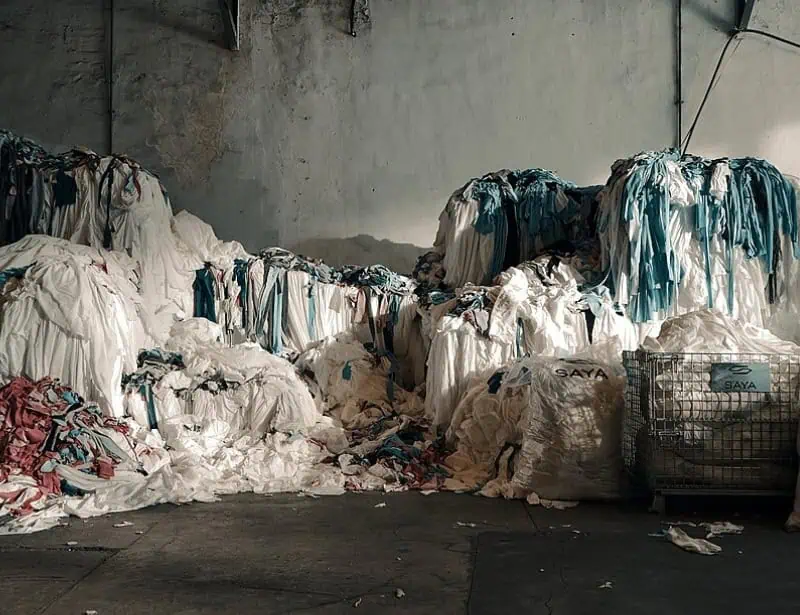
Overproduction refers to the act of producing a product in excess volume, more than is needed or wanted. From this definition, you can tell what overproduction is in the fashion industry. It is the systematic creation of garments and other fashion products that far exceeds consumer demand, often leading to a high quantity of unsold inventory.
It is challenging to determine the exact number of garments produced by numerous fashion brands annually; however, some estimated statistics suggest that the fashion industry produces clothing in far greater quantities than consumer demand can sustain.
The available statistics indicate that the global fashion industry produces between 80 billion and 150 billion garments annually. Fashion companies do not sell everything they make in a year; research shows that 10% to 40% of the garments produced annually remain unsold stock. It means there are about 8 billion to 60 billion excess garments yearly.
Major fashion brands overproduce due to their business models and the supply chains they operate within. The fast fashion model is one of the business models that promotes overproduction and clothing waste.
The fast fashion business model relies on rapid turnover and high volume. Fashion companies tend to overproduce items to keep up with the ever-changing and volatile fashion trends and to avoid stockouts. They overproduce because of access to cheap labor and materials.
Furthermore, they design these garments with planned obsolescence to ensure a short life cycle, encouraging consumers to buy more. Overproduction has a profoundly negative impact on the environment and society. It is the leading cause of environmental fashion waste.
An equivalent of one garbage truck of textile waste is dumped in landfills or burned every second, largely because companies are disposing of unsold inventory. A real-life example is Burberry. The Burberry fashion brand burned its unsold inventory worth £28.6 million in 2018.
What are the reasons for overproduction in the fashion industry?
1. Fast Fashion Business Model

Fast fashion is the root cause of excess production in the industry. Fast fashion brands rely on a high-volume, low-cost operational model, which prioritizes high production volumes, speed, and frequent trend replication over sustainability. Companies like Shein, Zara, and H&M release thousands of clothing styles annually. According to the stats, Shein alone releases 6,000 clothing items for sale daily.
The quick-turnover operation strategy is designed to keep consumers engaged by encouraging frequent purchases and disposable fashion habits. Brands utilize planned obsolescence, poorly designing garments to have a short lifespan, to increase consumer purchasing habits. An increase in purchasing habits facilitates overproduction.
Furthermore, companies’ “just-in-case” production model causes them to produce excess stock to avoid going out of stock. They primarily take a gamble on attaining high sales that don’t materialize as envisioned. According to Global Fashion Agenda’s reply to Vox, 30% of clothing produced is sold at full price, another 30% is sold at a discount, and another 30% is not sold at all.
2. Consumer Behaviour and Demand Forecasting Failure
Another reason brands have overly high production volumes in the fashion industry is that they struggle with accurate demand forecasting, resulting in over-ordering of raw materials and excessive stockpiling of finished products.
Demand forecasting is the process of using data to predict the number of orders a brand is expected to receive. However, there are often errors in this prediction due to the ever-changing nature of consumer preferences and behavior.
Gaining a balance in inventory levels across different levels of supply chains is challenging: either brands produce too much and incur the expense of excess stock, or produce too little and miss out on profits due to stockouts. Retailers often overorder from manufacturers to avoid running out of stock and missing sales opportunities.
A 30- to 90-day average demand forecasting data can overlook nuances because it sometimes fails to capture volatile changes triggered by changes in trends or real-time events that influence consumer behavior.
The rise of social media trends increases the risks of demand forecasting failures because previously viral styles become obsolete within weeks, leaving brands with extra stock of unsold garments.
Furthermore, complex spreadsheets and manual demand calculations are prone to human errors. It can disrupt production needs, leading to overproduction. Some examples of brands with excess production volumes are Nike in 2023 and Boohoo in 2020.
Boohoo increased its production of loungewear and activewear in response to the surge in demand during the pandemic. However, demand decreased as the COVID-19 lockdown ended and consumers resumed shopping in stores. Nike is popular because of its excess inventory. In 2023, the sportswear brands had $8.5 billion worth of unsold items.
To curb this, we consumers must change. We should make the 7Rs of sustainable fashion the new norm that transcends short-lived trends.
3. Cheap Production Costs

Cheap production costs fuel overproduction in the fashion industry. The production systems most brands utilize offer incentives based on the volume of garments produced. The more clothes are ordered for production, the cheaper the price for each garment.
Production factories in countries such as Bangladesh, China, India, and Vietnam often encourage overproduction due to their extremely low prices. So, brands prioritize bulk orders to reduce per-unit costs, even if it means having excess inventory.
They also order in bulk to secure supplier discounts, which further reduces their costs. One of the reasons factories produce clothes at such a low price is exploitation. The workers who make these clothes earn as little as $0.13 to $0.15 per hour.
4. Overconsumption
Overconsumption is a significant cause of overproduction in the textile industry. It is deeply tied to the modern consumer culture prevalent in our current world, which encourages excessive buying and promotes disposable fashion habits.
Social media, influencer marketing, and ultra-fast fashion brands have perfected the creation of impulse purchases and short-lived trends, resulting in excessive textile waste and forcing brands to produce more than necessary to meet expected demand.
Social media and its influencers promote haul culture, a marketing strategy where influencers showcase massive clothing purchases from various brands. These hauls encourage impulse buying, and brands respond by overproducing trendy items, assuming that the viral demand will continue.
There's also the issue of pricing facilitating overconsumption. Consumers find it easy to buy new clothes due to their affordable prices, making garments feel less valuable. It's one of the reasons consumers treat clothes from Shein and Temu as single-use items; they can always get more quantities of cheaper clothing at the price of a sustainable garment.
Effects of Overproduction
Here are some of the consequences of overproduction in the fashion industry:
1. Resource Depletion
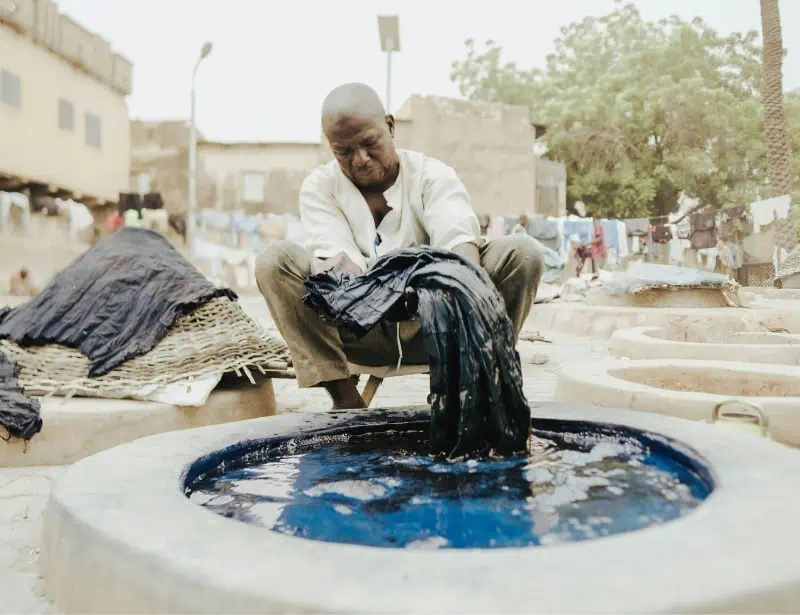
Another environmental impact of overproduction is the rapid depletion of natural resources. For example, water is a primary natural resource that the fashion industry is responsible for depleting. Yearly, manufacturers use approximately 93 billion cubic meters of water for textile production. This is enough water to supply 5 million people2.
Since 40% of clothing produced is not sold, a significant amount of materials is wasted on garments that never get to live out their whole life cycle, only to be landfilled or incinerated. The fashion industry is also responsible for deforestation and soil degradation in forests and the environment.
Soil degradation is primarily attributed to the excessive use of heavy pesticides in cotton farming, which hinders the growth of other agricultural products. Another way the industry depletes resources is by contributing significantly to carbon emissions through the extensive use of fossil fuels at various stages of production. It is accelerating climate change and global warming, which affects the growth, abundance, and survival of organisms and resources.
2. Textile Pollution and Waste Colonialism
The industry’s rampant overproduction doesn’t just clog warehouses; it creates an environmental and social crisis through textile pollution and waste colonialism. As brands release more garments each year, the result disproportionately harms developing nations by turning them into dumping grounds for waste.
According to the report released by the Ellen MacArthur Foundation, one piece of textile garbage is landfilled or incinerated every second3. One of the primary reasons why textile waste is detrimental to the environment is the materials used to produce these clothes.
Overproduction in the fashion industry led to an increase in the use of inexpensive, inferior, and synthetic materials for clothing production. Synthetic materials do not decay like organic textiles, causing additional problems for the environment, its organisms, and its ecosystems. Synthetic textiles shed microplastics into the ocean, harming various aquatic life forms.
Furthermore, overproduction leads to increased chemical usage in dyeing and finishing processes for textiles. These processes contaminate the waterways in the environment, harming aquatic animals. Research shows that 17-20% of global industrial water pollution is attributed to textile treatment1.
The lack of proper waste management systems for US-based brands also contributes to the increased volume of textile waste in the environment. It led to brands exporting unsold textile stock (waste) to countries in the Global South under the guise of donations.
Waste colonialism is so dangerous to third-world countries because it clogs up the environment, leading to a series of environmental problems. An example of waste colonialism is at Ghana’s Kantamanto market.
The 0market is the second-largest secondhand clothing hub in the world; it receives 15 million unwanted garments weekly. Out of these 15 million, 40% are discarded, which ultimately affects beaches, landfills, and the environment as a whole.
3. Labor Exploitation
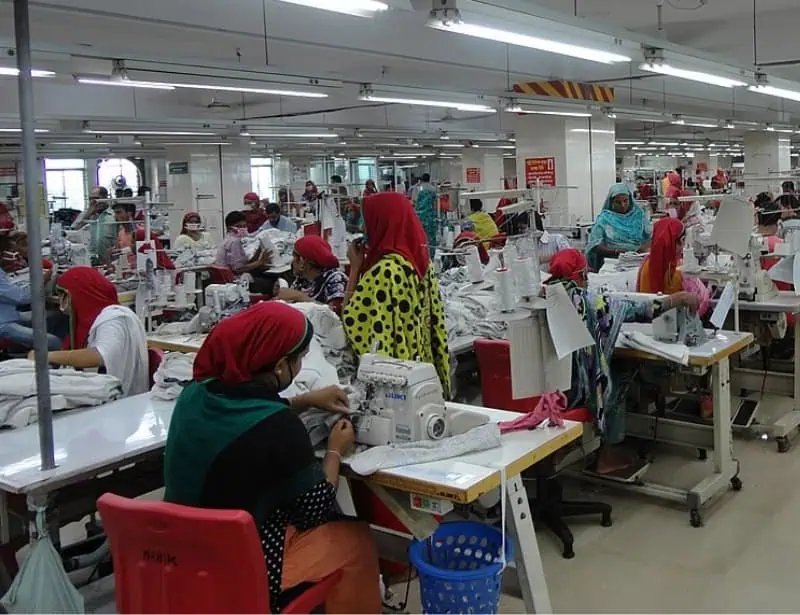
Another significant consequence of overproduction is labor exploitation within the industry. Overproduction in fashion fuels labor exploitation by pressuring garment workers to meet unrealistic production targets at a low cost.
Fashion companies, including luxury brands, order massive volumes to get bulk discounts for factories in other parts of the world, forcing them to operate on razor-thin margins. The garment factory workers receive below the minimum living wage for long hours of overtime.
They also work under unsafe conditions to fulfill excessive orders, sometimes at the cost of their lives. The Rana Plaza incident of 2013 that killed 1,134 garment workers shows how deep exploitation runs in the industry.
Conclusion
Overproduction in fashion is not just an environmental crisis; it’s also a bad business practice, wasting resources while drowning brands in deadstock. However, the industry is slowly moving in the right direction, adopting solutions like textile recycling and shifting toward a circular economy.
Innovations such as recycled polyester and on-demand manufacturing help reduce waste; however, systemic change is still necessary. To truly address overproduction, brands must prioritize sustainability over hypergrowth, and consumers must adopt a more mindful approach to consumption.
The future of fashion depends on breaking free from the cycle and balancing profit with planetary responsibility. Only then can the industry evolve into one that values quality, longevity, and ethical stewardship.
Glossary Terms:
| 1 | Dutta, S., Adhikary, S., Bhattacharya, S., Roy, D., Chatterjee, S., Chakraborty, A., Banerjee, D., Ganguly, A., Nanda, S., & Rajak, P. (2024). Contamination of textile dyes in aquatic environment: Adverse impacts on aquatic ecosystem and human health, and its management using bioremediation. Journal of Environmental Management, 353(120103), 120103. |
| 2 | Ellen MacArthur Foundation, A new textiles economy: Redesigning fashion’s future, (2017) |
| 3 | Ellen MacArthur Foundation, A new textiles economy: Redesigning fashion’s future, (2017) |
Jen’s a passionate environmentalist and sustainability expert. With a science degree from Babcock University Jen loves applying her research skills to craft editorial that connects with our global changemaker and readership audiences centered around topics including zero waste, sustainability, climate change, and biodiversity.
Elsewhere Jen’s interests include the role that future technology and data have in helping us solve some of the planet’s biggest challenges.
Fact Checked By:
Isabela Sedano, BEng.
