
The What And The Why of Overconsumption In Fashion

Fashion is one of the world's most dynamic and influential industries, shaping cultures, economies, and individual identities. But beneath its glamorous surface lies a growing concern. Overconsumption in fashion pertains to the excessive purchasing, use, and disposal of clothing and accessories.
Driven by fast fashion trends, aggressive social media marketing, and societal pressures, it engulfs our lives. It has far-reaching consequences, including environmental degradation, labor exploitation, and hastened product lifecycle processes. Understanding the "what" and "why" of overconsumption in fashion is crucial to addressing its impact and fostering a more sustainable future.
TABLE OF CONTENTS:
What is overconsumption in the fashion industry?
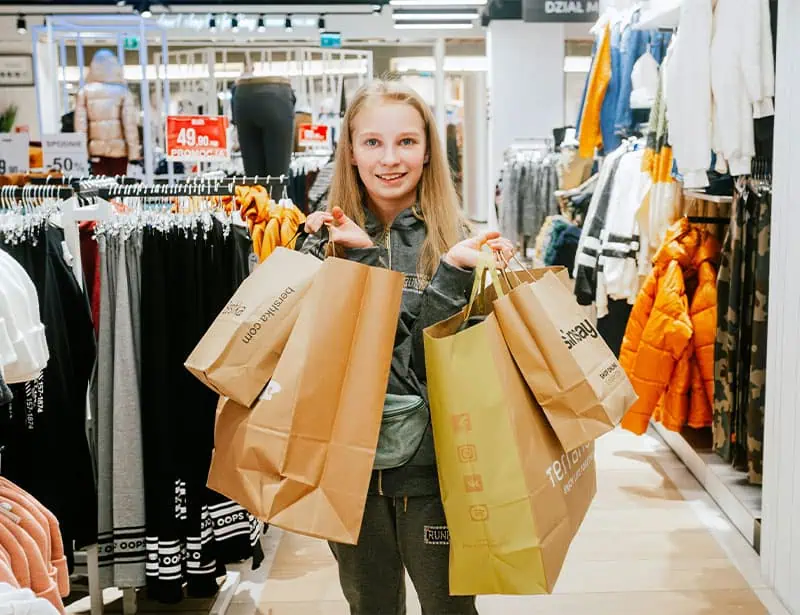
Overconsumption in the fashion industry is a complex issue that reflects the broader patterns of consumerism and environmental pollution. It refers to the rapid acquisition of clothing and accessories, often at a rate that exceeds actual needs.
Consumers who participate have a buy-and-dispose mentality, where they buy more than they need, wear the items a few times, and dispose of them quickly. The mindless consumption of trendy clothing is fueled by the rise of the fast fashion industry, which prioritizes profit, speed, and low cost over quality and sustainability.
In May 2024, Australia Institute research showed Australia is the biggest fashion consumer in the world6. The country surpassed the United States as the biggest consumer of textiles per capita. An average Australian buys 56 clothing items in a year, while those in the United Kingdom, the United States, and China buy 33, 53, and 30 fashion items yearly.
Some key features of fashion overconsumption include:
- Buying clothes very often, primarily because of frequent sales and discounts offered by fashion brands, and because of the allure of owning new collections.
- Clothes and other fashion items are used a few times before being discarded, contributing to the ever-growing fashion waste in the environment.
- Fashion brands and textile production companies overproduce, producing more clothing than necessary to meet perceived demand.
- The vast environmental impact of overconsumption includes resource depletion, a high carbon footprint, and significant environmental pollution.
- There are also social features like the increase in labor exploitation, poor working conditions, and the overall disregard for human rights in garment-producing countries.
The Science of Overconsumption

The science of overconsumption is a multidisciplinary field that explores the psychological, behavioral, environmental, and sociological aspects of consumption to understand why individuals consume excessively. Given that consumer demand and behavior play a significant role in the rise of mindless consumption.
Psychological factors refer to consumers' emotions, cognitive biases, and social influences that drive them to purchase more than necessary. Materialism is a significant influencer of impulsive buying habits3.
Most consumers have impulsive buying behaviors characterized by an overpowering, uncontrollable, chronic, and repetitive urge to go shopping to reduce feelings of stress and anxiety. Impulsive buyers buy spontaneously, without thinking, because of the emotional attraction and instant gratification from the proximity of desired objects.
Furthermore, impulsiveness is characterized by visual stimuli such as ads, the psychological imbalance caused by the intense desire to acquire a fashion item suddenly, and reduced cognitive ability to make informed decisions.
Apart from impulsive shopping habits, some consumers indulge in overconsumption as a coping mechanism for sadness, grief, stress, and anxiety. A study by Atalay and Meloy found that consumers engage in retail therapy to regulate their emotions, often buying items they don't need. It's difficult for consumers to ignore this when there's the allure of new clothing to provide a temporary emotional boost4.
Another study by Van Boven and Gilovich found that people derive more lasting satisfaction from experiences than from material things5. Still, they prefer buying material items because of societal conditioning.
Other groups of overconsumers overindulge because they evaluate their worth based on comparisons to others. They deeply desire to outdo their peers and keep up with fast fashion trends. Social validation is more important to some than the environmental cost of using and buying from fast fashion brands.
Cognitive bias and irrational decision-making contribute to overconsumption in the industry. Some of these biases are the scarcity effect, the anchoring effect, and habit formation. The scarcity effect is a cognitive bias that causes consumers to place a higher value on limited or rare items while
Influence: The Psychology of Persuasion, a book by Dr. Robert Cialdini, corroborates this. The study found that limited-time offers and exclusive fashion collections create a sense of urgency that triggers impulsive purchases.
On the other hand, the anchoring effect is the tendency to use only the first piece of information offered when making decisions. We can see this through discounts, which get people to buy more cheap clothes. Research shows that consumers are more likely to purchase an item if it is sold at a discount from the higher initial price2. It doesn't matter if the discounted price is still higher than the item's value.
Why is there overconsumption in fashion?

Rise of the Fast Fashion Industry
Fast fashion brands started springing up in the late 20th century. It refers to the rapid production of clothes with cheap materials to imitate popular fashion design trends from independent designers and big brands. The industry creates new trends rapidly at affordable prices, making juicy offers to consumers.
The traditional fashion system releases trendy clothing about four times a year. However, fast fashion companies release new collections more frequently. Some fast fashion brands create up to 36 collections in a year. Some examples of fast fashion brands are Zara, Shein, Forever 21, Fashion Nova, and H&M.
Their business model appeals to consumers who want to be on top of new fashion trends without breaking the bank. Fast fashion brands encourage overconsumption with their affordability and use of cheap, unsustainable materials, often without considering their purchases' long-term value or impact.
Social influence and consumer culture
Social influence refers to how people adjust their behaviors and consumption patterns to align with their social groups. On the other hand, consumer culture refers to the idea that happiness and success are achievable through purchasing material goods.
As you may have noticed, humans often compare themselves to each other. You also might have compared yourself to a close friend or a stranger. In most cases, people compare themselves to material possessions—" Who has the latest clothing on the fashion trends board, or who owns quality pieces, or who goes shopping in a luxury company?"
These comparisons can lead to overconsumption as people buy more to match or surpass the consumption levels of their peers. Furthermore, people are influenced by the consumption behaviors of people, like celebrities and influencers, whom they aspire to belong to or become.
Brands often use these groups of people to increase consumption because consumers buy products they promote. They also use social media to promote various fashion trends and micro-trends. Fast-fashion companies use targeted ads to create desires for products, often using happiness and social acceptance as an incentive.
Use of psychological factors by retailers
To sell fast-fashion clothing, brands and retailers use psychological mechanisms to trigger consumer consumption. They create a sense of urgency and scarcity that triggers impulsive buying behaviors. In physical stores, retailers design layouts to guide consumer flow and ensure exposure to many clothes. Down to the lighting and music, fast fashion vendors curate relaxing shopping atmospheres that encourage sales.
Social and Environmental Impact of Overconsumption

The impacts of fast fashion overconsumption are significant, multifaceted factors driven by the rapid production and disposal of fast fashion clothing. The overall big bad of overconsumption is that all environmental impacts of fashion overconsumption lead to climate change and various climate crises.
Some environmental effects include natural resource depletion, carbon emissions, waste pollution, microplastic pollution, and social and ethical injustice. Overconsumption reduces natural resources as the rapid and incessant demand for fashion items leads to overproduction.
Water usage increases rapidly because of the dyeing process and cotton cultivation for textile production. For example, producing one cotton T-shirt requires 10,000 to 20,000 liters of water. Imagine how much water is used to make about 2 million T-shirts annually.
The overconsumption of cheap clothes is also a major contributor to the industry's carbon footprint, responsible for 2-3% of the annual greenhouse gas emissions. The fast fashion industry produces about 1.7 million tons of CO2 annually. With the production of clothing projected to increase by 102 million tons in 20301, we can expect the carbon emissions to increase drastically.
Another impact of the overconsumption of fast fashion is excessive waste generation and pollution. Shopping for cheap clothes made with cheap materials only causes environmental pollution. Textile waste is one of the leading causes of the climate crisis in the environment. For example, the United States generated about 17 million tons of textile waste in 2018.
These waste materials disrupt the environment and its ecosystems because the materials used to make fast-fashion clothes are synthetic, meaning they do not decompose like biodegradable materials. It increases pollution levels in the environment because these materials leach harmful chemicals and microplastics, which are detrimental to biodiversity, especially marine animals and humans.
The fast-fashion business model often encourages human rights violations and labor exploitation. It mistreats workers and artisans, paying them below the fair wage stipulation, providing poor working conditions, and violating many other labor rights, all to make cheap clothing at a lower cost.
Conclusion
Fast fashion is the leading enabler of overconsumption. As consumers, we need to reduce and change how we consume fashion. Buying sustainable and slow fashion brands is better because they create quality, durable pieces that biodegrade easily.
The true cost of overconsumption is unbearable. Do not let low self-esteem and societal influence allow you to contribute to environmental degradation.
Practice sustainable fashion by only buying what you need from sustainable brands that use natural textile materials and prioritize environmental wellness. You can also buy secondhand clothes instead of purchasing new ones.
Glossary Terms:
| 1 | Andreadakis, S., & Owusu-Wiredu, P. (2023). Fashion Footprint: How Clothes Are Destroying Our Planet and the Growing Impacts of Fast Fashion. IntechOpen eBooks. |
| 2 | Ariely, D., Loewenstein, G., & Prelec, D. (2003). “Coherent Arbitrariness”: Stable Demand Curves Without Stable Preferences. The Quarterly Journal of Economics, 118(1), 73–106. |
| 3 | Soares, L., & Moniz, S. (2023). Overconsumption and the Effects on Mental Health and Well-Being: A Review. Current Research in Diabetes & Obesity Journal, 17(2), 1-5. |
| 4 | Atalay, A. S., & Meloy, M. G. (2011). Retail therapy: A strategic effort to improve mood. Psychology and Marketing, 28(6), 638–659. |
| 5 | Van Boven, L., & Gilovich, T. (2003). To do or to have? That is the question. Journal of Personality and Social Psychology, 85(6), 1193–1202. |
| 6 | Gbor, N., & Chollet, O. (2024, May 29). Textiles waste in Australia. The Australia Institute. |
Jen’s a passionate environmentalist and sustainability expert. With a science degree from Babcock University Jen loves applying her research skills to craft editorial that connects with our global changemaker and readership audiences centered around topics including zero waste, sustainability, climate change, and biodiversity.
Elsewhere Jen’s interests include the role that future technology and data have in helping us solve some of the planet’s biggest challenges.
Fact Checked By:
Isabela Sedano, BEng.
