
How and Where to Shop for Sustainable and Ethical Basics

Basics are clothes we can easily pair with other clothing—a T-shirt paired with blue jeans, a face cap, and a corduroy jacket. They are essential in our wardrobe because they make it easy to style our daily outfits. But we can make them more planet-friendly when we choose sustainable and ethical basics.
Keep reading as we explore the definitions of fashion basics and sustainable clothes. We will also discuss the reasons for wearing sustainable basics and how and where to buy them.
TABLE OF CONTENTS:
What are fashion basics?

Fashion basics are a diverse range of clothing that can be mixed and matched to create different styles. According to Sarah Harris, the Fashion Features Director at British Vogue, the necessity of a piece makes it basic apparel. In most cases, fashion basics are everyday essentials; each piece of clothing goes with the other.
Some examples of everyday basics include t-shirts, white button-downs, tank tops, camisoles, blue and black jeans, black and white trousers, tailored shorts, leggings, trench coats, denim jackets, and neutral knitwear.
Apart from clothing basics, there are also shoe and fashion accessories basics. Some are neutral-colored sandals and heels, white, black, or brown sneakers, a black tote bag, a shoulder bag, and a backpack. Accessories include sunglasses, a belt, a face cap, a bucket hat, and small stud or hoop earrings.
Everyday basics are simple, functional, and predictable pieces in neutral and safe colors and complementary silhouettes. You could have interesting clothes in your wardrobe, but the lack of timeless basics makes it impossible to wear them. For example, you might have a lot of knitwear cardigans without a T-shirt to wear underneath them.
Fashion basics are different from trendy clothing. They are timeless because we still need these basics despite the various clothing trends that have come and gone. Sometimes, basics form the base of some trendy fashion style. Basics are forever.
What is sustainable clothing?

Sustainable clothing is clothes made with eco-friendly materials through eco-friendly manufacturing processes. The production of sustainable garments is on the rise in the fashion industry. Manufacturers consider the entire lifecycle of an apparel item. The cycle includes sourcing raw materials for the manufacturing process, distribution methods, usage, and disposal methods.
Regarding the fashion industry, sustainability means conserving natural resources and reducing the industry's use of harmful chemicals, waste generation, and carbon footprint. Promoting fair working conditions is also under it.
Manufacturers prioritize using biodegradable and organic materials like organic cotton, hemp, bamboo, linen, wool, and silk textiles. Some manufacturers prioritize using recycled synthetic materials to reduce waste in the environment.
With the rise of innovations in sustainable fashion materials come new types of textiles. Manufacturers are exploring various eco-friendly material options, such as orange fabric, banana fiber, lotus fabric, mushroom, cactus, apple, and pineapple leather.
These materials are quite different from those used in the fast-fashion industry. The fast-fashion industry only cares about following fashion trends and making a profit. Fast-fashion manufacturers don't care about being carbon neutral, using sustainable materials and production practices, or the effect of their production process on the environment.
For a better context, let's consider the impacts of fast fashion on the environment. Fast fashion produces some of the most enormous waste in the manufacturing industry. Most fast fashion brands use synthetic fabrics like polyester, spandex, and nylon, which are responsible for 35% of microplastics found in the ocean from washing synthetic fabrics3.
Furthermore, the average American produces about 82 pounds of textile waste yearly2. This means that the clothing they buy from fast fashion brands does not last. Imagine buying everyday essentials and throwing them out within a year or two because they were manufactured poorly.
Reasons To Wear Sustainable Clothing

There are many reasons to wear clothes from more sustainable clothing brands. Some of them include:
It lasts longer and saves money in the long run.
Buying fashion items from a sustainable and ethical brand ensures they last longer because they use organic fabrics like organic cotton, wool, and linen. They also use an ethical manufacturing process, ensuring the piece's durability. Furthermore, you can save more on fashion purchases because you don't often have to replace items in your wardrobe.
Even when you get tired of owning a fashion item, say a dress, for years, you can give it away to a charity, send it to a thrift store, or upcycle it into something new—giving it a new life instead of sending it to landfills.
It reduces environmental waste and pollution.
Sustainable fashion reduces waste and pollution in the environment. It encourages manufacturers to develop energy-efficient and resource-saving production methods, including deadstock fabrics or recycled materials.
Also, using organic cotton, merino wool, and other organic materials reduces post-consumer waste because the fabrics are recyclable and biodegradable.
Although synthetic materials are recycled (e.g., recycled polyester) into new clothing, they don't have a chance of decaying because they are synthetic. They will only expose the environment to plastic. Having a sustainable wardrobe reduces the amount of plastic waste in the environment.
Sustainable fashion brands also avoid using harmful chemicals that harm wildlife and its ecosystems when they enter water bodies. Some examples include BPA, heavy metals, forever chemicals, disperse dyes, synthetic fertilizers, and pesticides used in conventional cotton production.
It uses low-impact dyes that are not harmful to the environment and humans.
Another important reason to wear only sustainable and ethical basics and fashion items is the industry's use of non-toxic dyes. Sustainable clothing brands use natural dyes, which reduce water usage in their manufacturing process and are also renewable.
They don't contain harmful chemicals or heavy metals, making them safe for the workers making the clothing and you, the wearer. It ensures a safe environment.
It reduces the risk of climate change.
The fashion industry is one of the major polluters and causes of climate change in the environment. Measuring the entire supply chain of the fast fashion industry shows that it has more carbon footprint than traditional or sustainable fashion.
Furthermore, developed countries produce much more carbon emissions than developing countries. The industry produced 2.1 million tons of greenhouse gas emissions. Expert projections state that if it continues, it will produce up to 2.8 billion tons of greenhouse gas emissions by 20301.
Releasing millions of tonnes of greenhouse emissions greatly affects the environment. They increase the earth's average surface temperature by trapping heat in the atmosphere.
The rising temperature of the earth's surface causes climate disasters, such as heat waves, drought, flooding, hurricanes, and snow storms, which destroy ecosystems, human properties, infrastructures, and life.
Buying from sustainable brands to build a sustainable wardrobe reduces the risk of climate change. It also encourages other manufacturers in the industry to make a conscious choice to become more sustainable.
It encourages supply chain transparency & empowers conscious consumers.
Practicing sustainability encourages manufacturers to be open and transparent about their supply chain to make accountability easy. They can share information about their sustainability principles, frameworks, strategies, goals, processes, and achievements and be held accountable by sustainability organizations and conscious consumers.
The brand and the consumers can track their carbon footprint because it is public knowledge. It also ensures that manufacturers treat their employees fairly in all supply chain stages. It means they create ethical working conditions for them and pay them fair wages for the work they do.
How to shop for basics made with sustainable materials
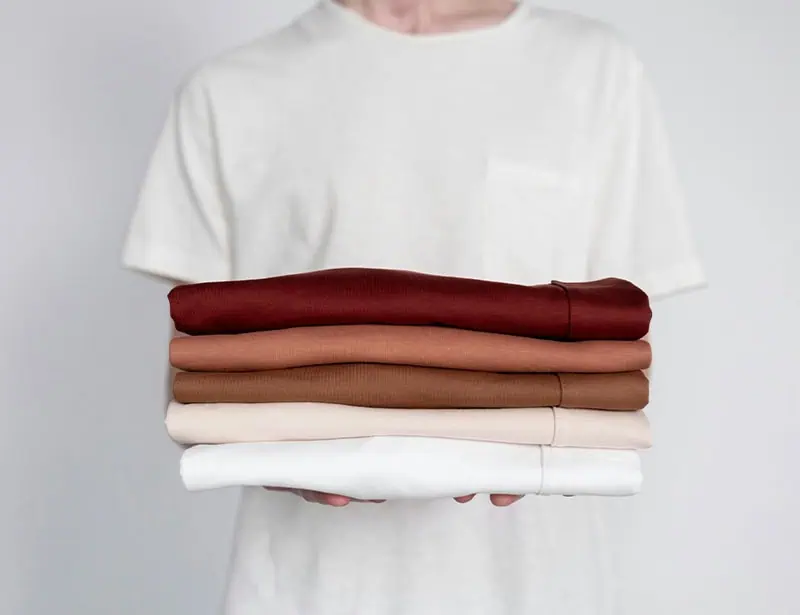
Before shopping for ethical basics, you must understand what every day basics you need. Consider the 4C’s:
Cut
The cut of clothing refers to its silhouettes. Basic clothes come in various silhouettes that fit different body shapes. When shopping for comfortable basics, you should pick the best ones that fit your body shape. Choose the cut that best compliments and accentuates your figure.
To make it easier, ask yourself what you want to accentuate and look for clothes with that silhouette. For instance, women with bigger busts would prefer an oversized button-down or a classic T-shirt because they are much more comfortable and stress-free. It would prevent broken buttons and tightness around the bust.
Color
The color of your basics matters, too. Picking basics with bright colors might make it difficult to mix and match for your everyday wear. It is best to settle for sustainable basics with neutral colors like black, white, and shades of brown. Also, pick neutral colors that match your skin tone.
However, if you understand colors well and know how to mix them properly, you can opt for colorful basics as long as they match the other colors in your wardrobe. Although, we'd advise you to go for neutral colors. Pairing white, black, or brown t-shirts with any other shade of pants, skirts, and buttons is easier.
Clothing material
The material used to produce sustainable basics matters when shopping for sustainable basics. The fabric used to make your basics will determine whether it will last long or is comfortable on your skin. Figure out your favorite materials before you go shopping for basics. Do you prefer organic cotton fabrics or silk and linen?
We would opt for organic cotton instead because it is much more comfortable on the skin, but you can also go for other sustainable fabrics like bamboo and hemp. Avoid polyester, rayon, and nylon fabrics because they irritate your skin and make you sweat much more. Also, they are made with synthetic, unsustainable materials.
Comfort
When purchasing most garments, you must consider your comfort levels. Do you prefer short-sleeved T-shirts or long-sleeved blouses? Do you feel comfortable wearing jeans, or do you prefer linen pants? These questions will help you avoid wasting money on uncomfortable clothing.
Season
Although the seasons are not part of the 4Cs, they are still important. We wear various outfits during the summer, spring, winter, and fall to cater to the weather requirements.
You can still wear some basics during spring and summer but need warmer clothing in winter. You don't have to buy basics for all seasons at once. However, remember to buy clothes you'd feel comfortable in, whether hot or cold.
Sustainable Fashion Certifications and Credentials
After considering these, here are some sustainability qualities to look for when shopping for sustainable basics from ethical fashion brands. Sustainable fashion certifications show consumers that a brand practices ethical fashion. Some of them are:
- Fair Trade Certification
- Oeko-Tex
- Global Organic Textile Standard (GOTS)
- B corp
- Fair wear foundation
- USDA Certified Organic
- Responsible Wool Standard
These certifications denote that a brand has some positive, sustainable, environmental, and social impact. For instance, the OEKO-TEX label means leather and other fabrics were tested and are free from harmful substances. In contrast, B-corporation means a brand verified by B Lab to meet high social and environmental performance standards, transparency, and accountability.
Where to shop for sustainable and ethical basics
To shop organic and ethical basics like T-shirts, Button-down shirts, crisp white blouses, pencil skirts, jeans, black dresses, black pants, denim jackets, knitwear cardigans, jumpsuits, and many more, check out these sustainable brands:
1. Carve Designs

Carve Designs is a sustainable brand that produces high-quality basics from recycled, upcycled, and sustainable materials. They sell various types of bottoms, tops, denim, corduroy, and sweaters.
You can get quality tank tops, long and short-sleeve tops, sweaters, pants, shorts, and skirts made from organic cotton. Carve Designs is one of the best places to get your wardrobe staples. They even pair up the basic designs they have in stock to make it easier. For example, you can combine their Milo Gauze Top with the Keely short: Cloud.
Shop other basics on Carve Designs.
2. Pact

Pact is your one-stop shop for all sustainable basics, including underwear. They make all their apparel from GOTS-certified organic cotton in Fair Trade-certified factories. You can get men's and women's t-shirts, dresses, bottoms, and sleepwear at an affordable price.
Pact has a reasonably transparent supply chain. It produces clothing using 81% less water and 62% less energy. Pact also advocates for a plastic-free environment by using paper for packaging materials. It provides safe working conditions and a fair living wage to its workers.
3. Tentree

Tentree makes organic basics for men, women, and children. It is B-corp certified and carbon neutral. We recommend Tentree because it has a transparent supply chain. It uses fabrics like organic cotton, hemp, Tencel™lyocell, and recycled polyester for production.
They're also open about their factories in various locations worldwide, including China and Turkey. Tentree primarily uses recycled paper for packaging materials like inserts, tags, sleeves, and boxes. They're also committed to reducing their environmental footprint by producing packaging materials in the countries where their factories are.
Shop your sustainable basics from Tentree.
4. Outer Known

Outer Known is another place to get sustainable basics. The brand offers basics for men, women, and children. It uses organic cotton, hemp, and other recycled materials for production. Like most ethical apparel brands, Outer Known is fair trade certified.
They support farmers who use regenerative agriculture to grow organic cotton. Outer Known also works with certified B-corp suppliers across eight renewable energy-powered facilities.
Learn more about Outer Known's supply chain before purchasing.
5. Mate the Label

Next is a Los Angeles-based women's brand, Mate the Label. They produce sustainable, clean essentials like T-shirts, sweatpants, blouses, tank tops, dresses, jumpsuits, bottoms, activewear, and underwear.
Their main focus is on preventing the presence of carcinogens, endocrine disruptors, and other toxins in their supply chain by using organic materials and non-toxic dyes. Mate the Label uses Gots-certified organic cotton and B-corp suppliers for its production processes.
Shop Mate the Label sustainable basics.
6. Wallis Evera

Wallis Evera is a women-owned eco-friendly brand based in Vancouver, Canada. It is a slow-fashion workwear brand that sells pants, skirts, tops, and jackets for women to wear to work.
Wallie Evera's sustainable basics are a great addition to your wardrobe, mainly because they are in neutral colors, making them easy to mix and match. The brand uses hemp as the foundation of all its apparel and produces sustainable clothes using Lyocell, certified organic cotton, and silk.
Shop women's basics on Wallis Evera.
Related Read: Browse for more Sustainable Clothing Brands.
Conclusion: Sustainable and Ethical Basics
Having fashion basics in one's wardrobe is crucial because it helps make styling an easy and fun activity. You don't have to worry about not having essentials. However, you have to make sustainable choices when buying basics. Only buy from businesses that use organic and recycled fabrics to protect the environment.
Glossary Terms:
| 1 | Li, Z., Zhou, Y., Zhao, M., Guan, D., & Yang, Z. (2024). The carbon footprint of fast fashion consumption and mitigation strategies-a case study of jeans. Science of the Total Environment, 924(171508). |
| 2 | Chen, X., Memon, H. A., Wang, Y., Marriam, I., & Tebyetekerwa, M. (2021). Circular Economy and Sustainability of the Clothing and Textile Industry. Materials Circular Economy, 3(1). |
| 3 | Boucher, J. and Friot D. (2017). Primary Microplastics in the Oceans: A Global Evaluation of Sources. Gland, Switzerland: IUCN. 43pp. |
Jen’s a passionate environmentalist and sustainability expert. With a science degree from Babcock University Jen loves applying her research skills to craft editorial that connects with our global changemaker and readership audiences centered around topics including zero waste, sustainability, climate change, and biodiversity.
Elsewhere Jen’s interests include the role that future technology and data have in helping us solve some of the planet’s biggest challenges.
