All About Supply Chain Transparency in the Fashion Industry

The fashion supply chain is one of the industry's most important aspects because of its effects on the community and environment. A properly managed supply chain can improve customer experiences by improving customer service. To achieve these benefits, companies rely heavily upon e-commerce technologies.
Transparency within the supply chain is essential because it informs consumers about the products they purchase and their effects on the environment. It also helps companies be accountable for the impact of their business operations.
This article explores the definitions of the supply chain, supply chain transparency, and supply chain visibility. We will also discuss the processes of supply chains and their importance, why transparency matters in the fashion industry, and its challenges.
TABLE OF CONTENTS:
What is a fashion supply chain?
To understand the fashion supply chain, we must first define it. A supply chain is a complex network of businesses, companies, and individuals involved in sourcing, manufacturing, distributing, storing, and selling products.
By this definition, the fashion supply chain refers to the complex network of individuals and businesses that source clothing and accessory raw materials, select suppliers, manufacture, ship, store, and manage consumer orders.
The chain starts with raw materials and ends with finished items. Its complexity is due to intricate manufacturing plants, various transportation modes, labor, and many regulations. Supply chains rely on automation systems to keep track of all processes.
Everything to Know About The Supply Chain Processes
It is important to note that all the stages can occur in separate locations. Here is some insight into the complex processes of a global supply chain like the fashion industry.
1. Sourcing Raw Materials
The first step in the fashion supply chain is sourcing raw materials to make fashion items. Fashion brands can source directly from cotton, flax, or hemp farmers and others who produce raw textile materials.
They can also source clothing raw materials from third-party suppliers. This stage aims to obtain quality materials at low costs to facilitate production.
2. Design and production planning
Design and production planning are the most essential processes in the supply chain. Product managers, designers, and engineers collaborate to create products and their production plans, often based on consumer demands and needs.
A production plan is necessary to ensure that products are produced cost-effectively. The planning includes material availability, inventory management, product quality, and costing. In the clothing supply chain, the design and production of the fabric are among the factors responsible for constantly rising energy and environmental costs.
3. Manufacturing
Fashion companies turn raw textile materials into finished products in the manufacturing process. Following the plans made in the design and production planning stage, they create finished products to meet customer demands.
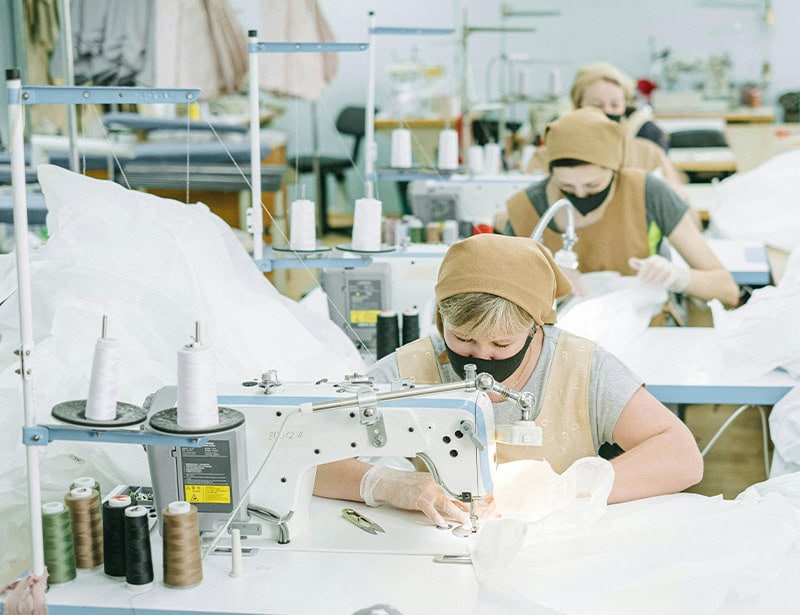
For example, the clothing supply chain's manufacturing process includes cutting and sewing a chosen raw textile material. This production stage is often performed in the Global South because these countries provide the Global North with cheap labor.
4. Distribution
After production, finished products are distributed directly to wholesalers, retail stores, and customers. The distribution includes packaging, handling, shipping, and an extensive transportation network.
5. Storage/Warehousing
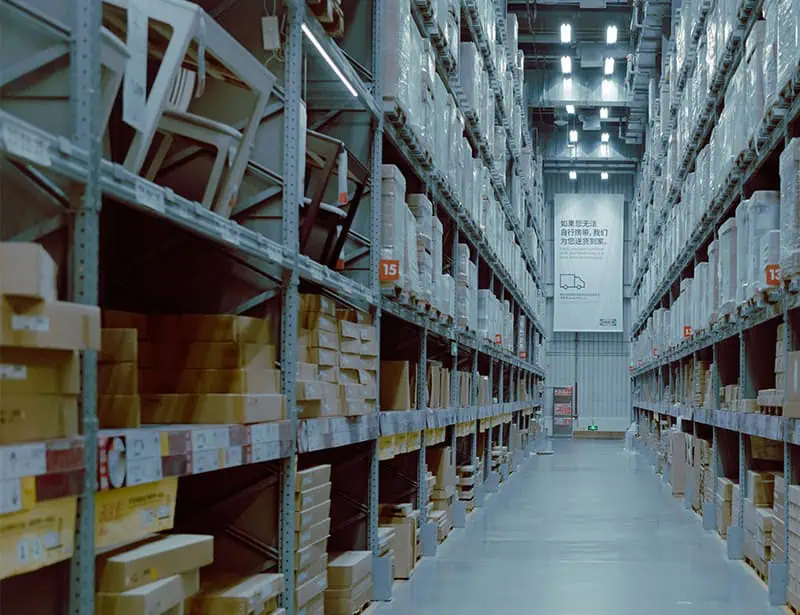
Warehousing is where fashion brands store finished products to be distributed later. It plays a crucial role in fulfilling customer orders and allows for the smooth distribution of products without delays. Fashion companies can also use warehouses to store raw materials they have yet to use.
6. Customer Service & Delivery
The customer service and delivery aspect of the supply chain deals directly with customers. It solves problems and answers customer questions about products and deliveries, ensuring customer satisfaction.
Why is the fashion supply chain important?
It makes cost and production efficient.
The lack of a well-managed supply chain can cause various problems for fashion businesses in the long run. Adequate supply chain management helps brands explore new and innovative ways to reduce costs without reducing product quality.
Supply chain managers optimize the supply chain system, from procuring materials to transportation to manufacturing processes.
For example, strategic planning and a good inventory management system ensure the correct quantity of products is produced and stored. It reduces production, waste, and production costs.
Furthermore, supply chains allow for the opportunity to connect with suppliers and partners, which helps reduce costs. Strategic collaboration between logistic providers, distributors, and suppliers improves production processes across the entire supply chain.
It ensures consumer satisfaction.
Consumer satisfaction is a top priority for fashion brands because consumers are the market's driving force. Proper fashion supply chain management uses real-time data and predictive analytics to avoid problems, allowing a fashion brand to satisfy its customers' needs.
It also makes demand forecasting easier, allowing brands to match their production and distribution with consumer demands.
As mentioned earlier, logistics is a part of the fashion supply chain. Delivering your products to your consumers in a timely fashion keeps them satisfied with your business. Also, quality material sourcing from ethical suppliers satisfies your consumers with quality products.
It leads to better resource management.
Proper fashion supply chain management also helps reduce textile waste. It helps fashion companies manage the use of materials and the distribution of finished products. Adequate inventory management facilitates better resource management, which entices consumers interested in sustainable practices.
It results in better coordination between stakeholders in the fashion industry.
One key benefit of the supply chain in the fashion industry is building crucial relationships between crucial stakeholders. It helps fashion companies establish efficient communication between raw material suppliers, garment markers, employees, and customers, further boosting productivity within the industry.
Friendly relations between stakeholders mean little to no problems, fights, or disruptions within the product development processes. Proper management of supplier relationships, even amid conflict, fosters healthy relationships and prevents the issues of unstable suppliers.
It delivers long-term business value.
Properly managing the fashion supply chain delivers long-term value for fashion companies. It prevents unnecessary supplier losses, sales, customer loyalty, and profits. With the right supply chain management tools, a brand can consistently meet customer demand and hit milestones.
What is transparency in supply chains?

Supply chain transparency refers to a business's awareness of a product's status through all the stages, documenting its journey from design to raw material sourcing, production, storage, logistics, and delivery. It means the business is aware of everything happening in its supply chain.
It also includes how they communicate the documented information with business stakeholders and consumers. A business with a transparent supply chain shares accurate data about its internal and external supply chain operations. Fact-checked data should back every claim.
Visibility and Disclosure
Supply chain transparency covers raw material sourcing, production safety standards, product quality, labor practices, and environmental sustainability. Alexis Bateman, a research scientist and the director of MIT Sustainable Supply Chains, stated that supply chain transparency has two elements: visibility and disclosure.
Visibility refers to the brands collecting data from all supply chain links, while disclosure refers to communicating the gathered data at the desired level. We include 'at the desired level' because brands pick and choose the information they share with the consumer outside of possible mandatory federal regulations.
Companies determine how much detail they share depending on their corporate culture and values. Different companies interpret supply chain transparency in various ways—furthermore, some often mistake supply chain visibility for supply chain transparency.
Supply chain visibility involves an organization's internal stakeholders. It helps improve coordination and fill communication gaps at all stages, from manufacturing to storage and sales. Transparency, on the other hand, involves sharing the relevant data with customers who are external stakeholders.
So, a company can decide to share all gathered information with internal stakeholders and not share it with external stakeholders. From this example, you can tell that visibility is internal and transparency is external.
However, transparency isn't possible without visibility. A company can't be open about the things it doesn't know yet. Visibility helps companies focus on efficiency, tracking, and supply chain management, while transparency focuses on ethical practices, sustainability, and social responsibility.
Transparency in the Fashion Supply Chain
According to the Fashion Transparency Index 2021 by Fashion Revolution, transparency in the fashion industry means sharing information about fashion supply chains, business practices, and their social and environmental impacts.
It means the clothing supply chain shares the impact of its production processes and products on the environment and the people who work for it, i.e., garment workers. Transparency for the fashion supply chain also includes sharing data on every product's supply chain stage.
Clothing brands share information about the materials used, how the materials were produced, the production process of raw materials (i.e., cotton production), manufacturing and supply chain carbon footprint, and wages paid to employees.
Transparency in the fashion industry is about being truthful. A fashion business can be visible but only transparent with a verifiable truth. For example, some fashion retailers and manufacturers lie about upholding fair labor practices when, in reality, they mistreat their garment workers and pay them below minimum wage.
Companies lie about forced labor and other information because of the risk it poses to their business. Providing the data to the public would mean taking accountability for their actions, paying fines, facing public backlash, and losing customers.
Companies must perform audits, get certifications, write reports, and publicly disclose their findings to be transparent. These techniques become much easier with data analytics, inventory management systems, and GPS tracking to ensure real-time data accuracy.
Why does transparency matter in the fashion industry supply chain?
Fashion brands must be more transparent with their supply chain management to better understand their social and environmental impact. Consumers nowadays are more aware of the effects of the global industry and are changing their habits based on a brand's actions toward issues, such as textile waste from fast fashion.
Fast fashion became one of the fastest-emerging trends years ago, with top fashion brands trying to anticipate trends by churning out many products to meet consumer demand. These types of businesses do not account for properly disposing of their excess inventory and carbon footprint through all stages of the fashion supply chain.
Most of these brands are unaware of the impact of their operations because there is no visibility throughout their supply chains. The lack of transparency in the fashion supply chain prevents progress. You can't fix problems you are unaware of.
Consumers are demanding more and more transparency as the fashion supply chain's impact on the environment and the community comes to light.
The global supply chain's lack of control and monitoring has caused extensive environmental and social damage. An example is the collapse of a clothing factory in Bangladesh. Rana Plaza collapsed on April 24, 2013, killing 1,134 workers. This event enlightened the public about the industry's lack of transparency in its supply chains.
They became more aware that the clothing supply chain goes through multiple countries before it reaches its customers. The Rana Plaza disaster led to the start of a global movement called the Fashion Revolution. The movement campaigned with brands, consumers, and policymakers to demand transparency from the fashion sector.
Here are three significant ways transparency matters in the global fashion supply chain:
It improves legal compliance.
Authorities and policymakers insist on the visibility of sustainability practices across the industry because the industry contributes to greenhouse gas emissions, among other forms of pollution. A transparent brand can easily comply with regulations and policies that promote sustainability.
Transparent brands use cloud-based platforms to collect supplier data, making it easy to measure compliance globally. They can easily comply with various international and domestic regulations. For example, the United States Dodd-Frank Act requires companies to use suppliers that don't source raw materials from nations that allow human rights abuse.
It improves accountability and supply chain management.
Another critical benefit of fashion supply chain transparency is its improvement of supply chain management. Transparent companies collect and verify data before sharing it, improving a brand's ability to collect data and track its production process at every stage.
It also helps companies be accountable. It is not just about collecting and sharing data. Transparency helps companies analyze where to mitigate risks and practice ethical production.
Public disclosure drives public accountability. Disclosing information about company impact holds them accountable for improving their operations' negative impacts. Companies can set goals and make public commitments to work on over time.
It fosters brand loyalty.
Brands that openly disclose the process of their entire supply chain build a loyal customer base based on trust. Consumers are more likely to purchase when they know the product's impact and the conditions in which they are produced.
According to an IBM study, 57% of consumers will change their buying habits to reduce negative environmental impacts, while 71% will pay extra for supply chain traceability1.
Furthermore, consumers are more likely to make a first-time buy from brands with an ethical supply chain. Transparency forms an emotional bond between consumers and the brand, increasing the chances of repeat purchases. In fact, there are already established and rising sustainable clothing brands in the market.
Challenges Disrupting Transparency in Fashion Supply Chain Management
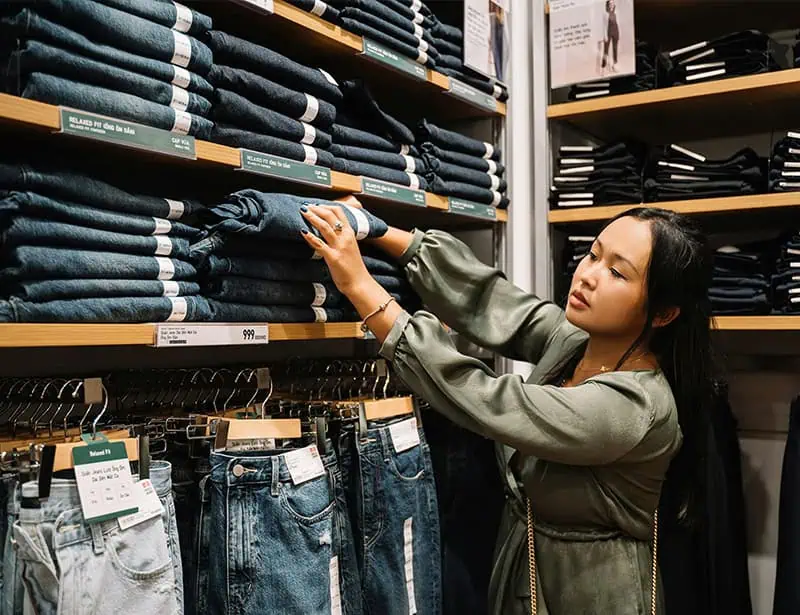
One problem impacting transparency in the fashion supply chain is complex and fragmented supply chains. It involves a lot of interaction between intermediaries across various countries, making it difficult for companies to map their supply chain stages accurately. Adding to the challenge, companies tend to outsource and subcontract some or all of their business operations.
Another problem is the lack of collaboration in the supply chain and the reluctance to share data. Some suppliers don't want to share information about their processes because they are worried about their competition. They fear losing their competitive advantage.
Brands and suppliers are also reluctant to share information because they fear it might damage their reputations, making monitoring the supply chain efficiently difficult.
Transparency in the supply chain becomes difficult when a brand has limited visibility. Some brands need help tracing the origins of their raw materials, which makes it difficult for them to address the violation of human rights and ecological pollution that might be occurring.
Also, some businesses cannot practice transparency because they need the proper technological infrastructure to analyze their supply chains. Suppliers in developing countries need more advanced infrastructure and expertise to help with advanced tracking systems.
Conclusion: Supply Chain Transparency in the Fashion Industry
Businesses, government agencies, and human rights organizations have made several attempts to make transparency the focal point of the fashion industry. For instance, nine human rights and labor rights organizations formed a coalition to improve transparency in the clothing and footwear supply chain.
Since the coalition, there has been a significant increase in supply chain transparency. Consumers should only purchase products from companies that provide data about their supply chains. Consumers should only purchase products from companies that provide data about their supply chains. Let's continue to make better choices to encourage the global fashion industry to improve its sustainability practices.
Glossary Terms:
| 1 | Haller, K., Lee, J., & Chung , J. (2020). Meet the 2020 consumers driving change. IBM Institute for Business Value . |
Jen’s a passionate environmentalist and sustainability expert. With a science degree from Babcock University Jen loves applying her research skills to craft editorial that connects with our global changemaker and readership audiences centered around topics including zero waste, sustainability, climate change, and biodiversity.
Elsewhere Jen’s interests include the role that future technology and data have in helping us solve some of the planet’s biggest challenges.
Fact Checked By:
Isabela Sedano, BEng.