What is rPET Fabric? Sustainability, Pros, and Cons

rPET fabric is short for recycled polyester fabric from recycled PET water bottles. Because we have an excessive plastic waste problem globally, manufacturers use it to produce clothing, bags, shoes, upholstery, and other products.
Keep reading as we explore the features and manufacturing processes of rPET fabric. We will also discuss its benefits and disadvantages, focusing on its eco-friendly nature.
Table of Contents:
What is rPET fabric?
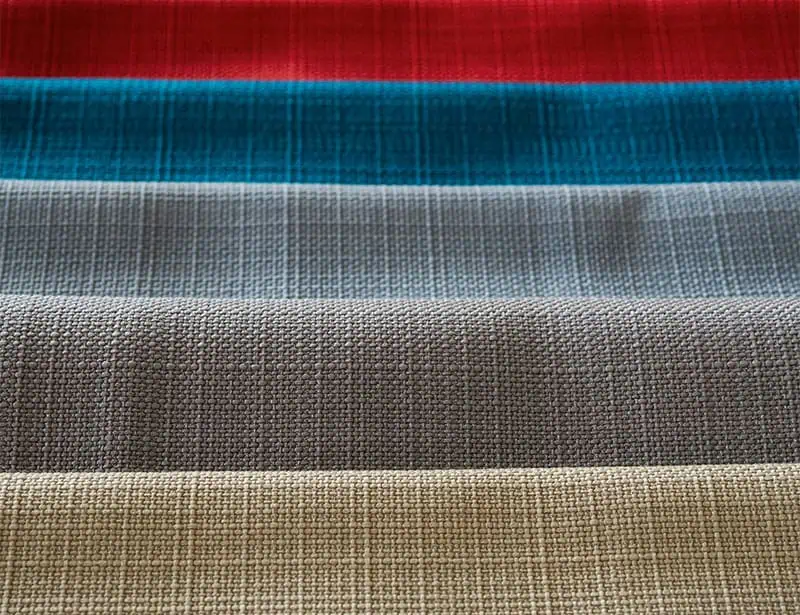
rPET fabric simply refers to recycled polyester fabric. It is an eco-friendly material made from recycled plastic bottles, primarily plastic water bottles. It reduces the use of virgin polyester material and focuses on reusing and recycling used plastic bottles in the environment.
PET plastic bottles are commonly known as post-consumer waste. They are one of the most common wastes in the environment because the global world relies on plastic as a primary source of packaging material.
These PET bottles are harmful to the environment because they take over 100 years to decompose. During this period, they break into microplastics and leach toxic chemicals into the environment, causing great harm to the earth's biodiversity and ecosystems.
Fortunately, some companies have started using rPET packaging like a customized shopping bag. Others in the fashion industry advocate for and use rPET fabrics to promote sustainability further. Brands like Harber London use recycled polyester fabric to reduce plastic waste without compromising the production of high-quality fashion items.
Features of Recycled Polyethylene Terephthalate Fabric
1. Durability
rPET fabric is becoming popular for its durability in the fashion industry. Manufacturers create recycled polyester fibers using strong and tightly woven techniques, which makes the fabric last longer. It can survive heavy usage with a lot of wear and tear.
rPET fabric made with short fibers has a strength of 2.6~5.7cN/dtex, and high-strength fiber measures 5.6~8.0 cN/dtex. Furthermore, it has an impact strength that is four times stronger than nylon and twenty times higher than viscose fibers.
2. Heat resistant
Recycled plastic fiber is also heat resistant. It can withstand high heat temperatures before it becomes inflamed.
3. Water-resistant
Another feature of rPET fabric is its moisture-resistant abilities, which are similar to virgin plastic ones. rPET doesn't absorb liquid; it dries quickly when wet with water or other fluids. This means that rPet fabrics dry quickly when washed. Also, the fabric's strength doesn't reduce even when damp and maintains its shape.
4. Good elasticity
rPET fabric has good elasticity levels, which is close to that of wool fabric. Recycled PET can maintain its shape without becoming wrinkly, regardless of friction, abrasion, and outdoor elements. It has better wrinkle resistance than other natural and synthetic materials. Its elastic quality makes it an excellent choice for bags and shoes because it can maintain its original structure regardless of the environment in which we use it.
5. Retains color
Manufacturers use rPET fabric because it holds color well but has poor dyeability. The molecular chain of recycled polyester has no specific dye group. However, it retains color excellently once the dye is applied to the fabric. You don't have to worry about the color leaching or bleaching during wash cycles.
rPET Production: How can recycled PET fabric from plastic bottles and other plastic waste be produced?
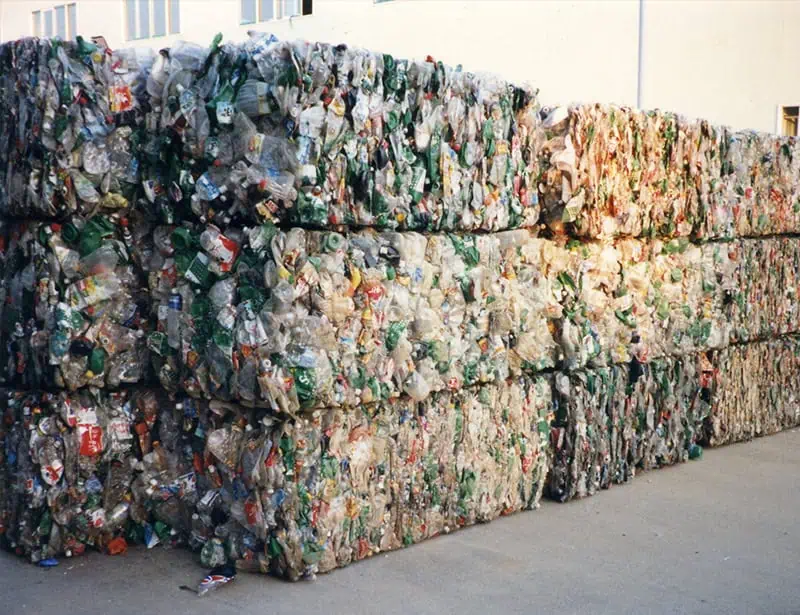
There will be no production of rPET fabric without the recycling process of PET plastic and beverage containers. There are two recycling methods for PET bottles and beverage containers: mechanical and chemical.
- Mechanical recycling is one of the most used recycling methods globally. The method recycles PET beverage bottles with glass and paper to create new materials without changing their chemical structures. The recycling industry mostly uses this method to recycle pet bottles in their initial application.
- The chemical recycling process combines several methods that break down plastic molecules in various ways. These methods include pyrolysis, gasification, and depolymerization.
- Pyrolysis heats bottles without oxygen. The process breaks down the polymers into small parts with some oil characteristics. Under the right circumstances, synthetic oil is similar to petrochemical naphtha, so manufacturers use it as feedstock to create new PET products.
- Gasification involves heating polymers with oxygen and water to create a mixture known as syngas, primarily used in the chemical industry.
- Depolymerization reduces polymers into monomers. This process turns the monomers into new material to directly produce new rPET products without turning them into gas or oil.
Now that we know the recycling processes of pet bottles and other beverage containers let's examine the step-by-step manufacturing procedure of rPET fabric.
1. Collecting plastic bottles
The first stage of recycling post-consumer plastic waste is collecting it from waste management and recycling centers. Recycling centers collect waste from commercial businesses, homes, schools, public spaces, and other institutions.
The waste management facility then transports the PET bottles to a material or plastic recovery facility for sorting. The collection process is crucial— manufacturers must collect sufficient PET bottles and packaging materials to make recycled polyester fibers.
2. Sorting and grinding
Once they collect the bottles, manufacturers sort and grade them according to various properties, like color and plastic type. They remove non-PET materials and filter the debris that enters the waste stream before grinding it down to create plastic flakes. Then, they wash the flakes, tiny pieces of plastic, before sifting and sorting through them.
They use conveyor belts to maintain the constant flow of waste through the sorting area. Manufacturers use various sorting techniques, such as hand sorting, trommels, ballistic separators, magnet separators, optic sorting machines, and sink float separators.
Trommels are cylindrical drums with holes that sieve fine materials as they rotate. They can sort waste after removing non-recyclable items, while a ballistic operator separates rigid waste items from flexible items with two oscillating pads. It allows fine materials to fall through the mesh. A magnet separator uses a magnet to remove metals present in the waste stream.
3. Washing and separating
The next stage of the manufacturing process involves carefully washing the pieces of plastic to remove impurities. Manufacturers also sterilize them before drying to ensure no contaminants or moisture remains.
However, depending on the recycling method the producers are using, they might use a different method for this stage. When the manufacturer uses a chemical recycling method, the rPET flakes are depolymerized and re-polymerized before the next stage.
4. Melting plastic and filament making
Here, the manufacturer can heat the clean and dry plastic flakes using any heating method used in recycling processes. As the rPET plastic heats up, the thick mixture passes through a spinneret, forming long plastic filaments. Then, it winds up in spools for the next production stage.
5. Forming recycled polyethylene thread
The rPET fabric is almost ready at this stage, but more work still needs to be done. The filament is not a thread yet, so it cannot be woven into fabric sheets. The manufacturers tear the filaments into shorter pieces to make polyester threads, farming staple fibers.
The staple fibers, which look like sheep's wool, are put through a crimping machine. Then, they are baled and go through a carding process. The carding process aligns the fibers to point in the same direction before spinning them into thread or yarn.
6. Weaving PET material into the fabric
This is the final stage of creating rPET fabric, where the producers weave recycled polyester yarn into a fabric. After weaving, the fabric undergoes additional processes, like dyeing, to add color.
Pros of Recycled Polyester Fabric
The benefits of recycled polyester fabric are in the features we mentioned earlier. Manufacturers use it to make clothing, bags, and other rPET plastic materials because it is durable, heat resistant, and waterproof. It also has good elastic qualities that maintain its shape and structure regardless of wear and tear.
Another key benefit is the sustainable solutions and environmental benefits rPET fabric provides. The recycled polyethylene fabric is an ideal material for making products without compromising on quality or environmental health. Virgin PET is not a sustainable option for production because of its negative environmental impact.
It uses fossil fuels derived from petroleum, accelerating climate change through heavy carbon emissions and pollution. Manufacturers are careless with waste management methods, allowing toxic chemicals to enter water bodies and the soil. Also, recycling doesn't require much energy compared to using virgin PET for production.
Furthermore, plastic doesn't degrade quickly in the environment. It takes many years to break down into microplastics, harming the ecosystem and animals. Using rPET plastic reduces the need to produce more virgin polyester, which saves resources and reduces pollution.
It helps companies and their manufacturers achieve sustainability goals by creating a market that uses recycled materials to create sustainable products. Also, it helps consumers build the habit of recycling and using recycled materials to reduce their carbon emissions.
Cons of rPET fabric
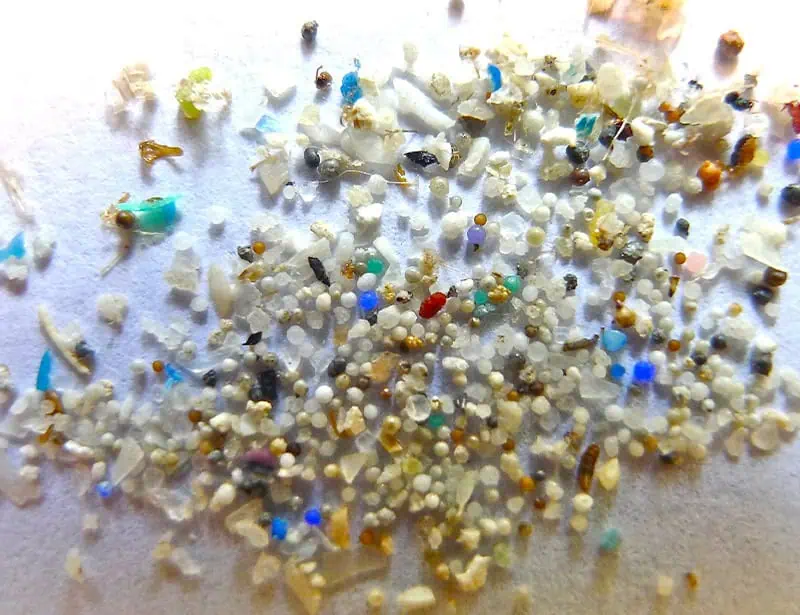
rPET fabric is not one of the most sustainable materials. While removing virgin PET from the environment has its environmental benefits, it only prolongs plastic pollution. rPET fabric is still plastic, which releases microfibers during use, maintenance, and post-consumer stages.
While washing and in the post-consumer stage, after consumers are done with the product and it goes to the landfill, it breaks down into tiny, microscopic pieces 100 times finer than human hair. Research also shows that 20 to 35% of microfibers are a significant source of microplastics in the ocean and other marine environments1.
These microfibers absorb carcinogenic polycyclic aromatic hydrocarbons and sulfonamides2, which harm marine animals' survival and affect their digestive and endocrine systems. Ingestion of microfibers also affects human health, causing cytotoxicity, oxidative stress, and a low immune response.
To learn more, check our article on the environmental impacts of microfibers.
Conclusion
rPET products are a good way to give plastic waste a second life. It reduces pollution and carbon emissions in the environment. However, it still has cons, like releasing and breaking down into microfibers in landfills. While using more recycled content offers a temporary solution to plastic waste in the environment, we need to work towards finding a better solution to reduce plastic in the environment.
Glossary Terms:
| 1 | Liu, J., Yang, Y., Ding, J., Zhu, B., & Gao, W. (2019). Microfibers: a preliminary discussion on their definition and sources. Environmental Science and Pollution Research, 26(28), 29497–29501. |
| 2 | Liu, J., Liu, Q., An, L., Wang, M., Yang, Q., Zhu, B., Ding, J., Ye, C., & Xu, Y. (2022). Microfiber Pollution in the Earth System. Reviews of Environmental Contamination and Toxicology, 260(1), 13. |
Jen’s a passionate environmentalist and sustainability expert. With a science degree from Babcock University Jen loves applying her research skills to craft editorial that connects with our global changemaker and readership audiences centered around topics including zero waste, sustainability, climate change, and biodiversity.
Elsewhere Jen’s interests include the role that future technology and data have in helping us solve some of the planet’s biggest challenges.
Fact Checked By:
Isabela Sedano, BEng.