
Natural vs Synthetic Dyes: Pros, Cons, Greener Alternatives

Fabric dyeing is an ancient art that has become a scientific process as the fashion industry has evolved. In ancient times, people used dye from plants, rocks, and wood to color clothing, but now we use chemicals. Natural vs synthetic dyes? What should we use?
Natural dyes have the advantage of being "natural," but synthetic dyes are far more efficient. If you practice sustainable fashion, you must have wondered which type of dye is more eco-friendly.
This article explores the pros and cons of synthetic and natural dyes and their environmental impact.
TABLE OF CONTENTS:
What are natural dyes?
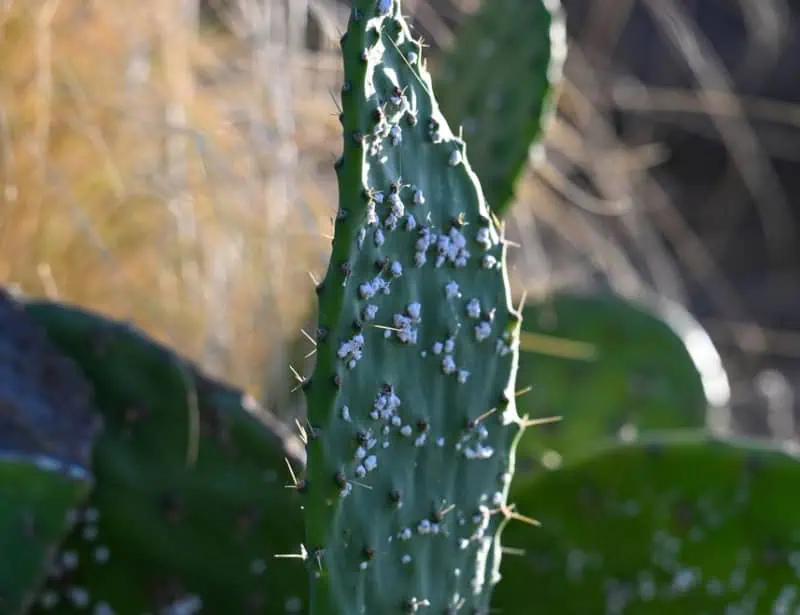
They obtain natural or organic dyes from plants, mollusks, animals, and minerals. Indigo, a popular natural dye across many ancient cultures, is derived from two species of the indigo plant. The female cochineal insect produces shades of red, while red earth clay produces a tan color.
The use of natural dyes dates back to the Neolithic era1. Over the centuries, artisans have improved dyeing methods and materials. They developed dye vats, resist dyeing, yarn dyeing, and many other techniques.
Pros of natural dyes

Natural dyes have many environmental benefits that make them still of interest to the 21st-century textile industry.
Renewability
They obtain natural dyes from renewable sources. Plants, animals, and microorganisms provide a continuous supply of natural colorants. Cultivating dye plants or extracting dye from animals and microbes is largely sustainable, requiring no toxic additives or procedures.
Biodegradability
Organic dyes are biodegradable, meaning they will naturally decompose into soil nutrients. They are also non-toxic, so you can dispose of them without fear of polluting the environment.
Safety
Natural dyes are safe to use even when you add metallic salts (mordants) to enhance color absorption. Of course, you must follow some safety measures, but you don't have to worry about carcinogens or toxic substances.
In addition, researchers have also found that natural dyes can infuse textiles with antibacterial properties.
Unique color maturation
Natural dyes, no matter how strong, fade over time. However, as they age, they leave clothing with a unique, mellowed, and mature coloration. Compared to the soft sheen of natural dyes, artificial dyes produce garish hues.
Cons of natural dyes

Using natural dyes can be time-consuming and stressful for most people. Here are some other disadvantages:
Fabric limitations
Natural dyes work best on natural fibers like cotton, silk, wool, and flax. However, they are not great on synthetic fabrics, which don't absorb natural dye well enough.
High costs
You need large quantities of natural dye to achieve good results. Although they now make many natural dyes into extracts, you'll still need a lot. That means spending more money and transporting bulky dye material.
Considering the costs, the use of natural dyes on a commercial scale is not just economically viable.
Inconsistent coloration
A single natural dye vat can produce garments with varying shades of the same color. It's also challenging to replicate the exact color shades. That is a huge problem when trying to achieve uniformity, an essential factor in mass production.
Low color fastness
Using mordants like tannins, calcium carbonate, and aluminum salts has improved the durability of many natural dyes. However, even at its best, it cannot compare with the level of color fastness that synthetic dyes provide. The colors fade after a few washes or prolonged exposure to light.
Availability
Natural dyes are renewable but mostly available seasonally—many plant and animal dyes fall into this category. There are also valid concerns that increased reliance on natural dyes could mean unsustainable exploitation of natural resources.
What are synthetic dyes?

Synthetic dyes are artificial colorants created primarily from petrochemicals and coal tar. Since the first synthetic dye, mauvine, was accidentally invented by William Henry Perkin in 1856, chemical dyes have become the top choice for the textile industry.
Artificial dyes offer more color variants, uniform coloring, and faster processing, revolutionizing mass garment production. However, they come with serious environmental issues.
Chemical dyes include acid dyes, fiber-reactive dyes, basic dyes, azo dyes, disperse dyes, direct dyes, and vat dyes. Unlike natural dyes, these chemicals in the fast fashion industry can work with any fabric, but each type is best suited to a specific fabric.
Pros of synthetic dyes

Chemical dyes have certain qualities that are not obtainable from natural dyes.
Colour variety and consistency
Mixing natural dyes to create new colors can be complicated, limiting color possibilities. However, synthetic dyes have many colors, even those not found in nature.
Additionally, artificial dyes make it easy to replicate exact color shades. Every garment dyed according to the prescribed mixture and processing formula will be the same color.
Long-lasting color
Clothing dyed with chemical dyes will exhibit incredible color fastness. They can endure years of washing and exposure to sunlight without losing their vibrant colors.
Cost effectiveness
When it comes to synthetic dyes, a little dye is sufficient for large quantities of fabric. Less dye gives more dyeing power, making chemical dyes much more affordable than natural dyes. Moreover, artificial dyes are much cheaper to produce.
Additionally, the materials needed to make synthetic dyes are always available regardless of the season.
Cons of synthetic dyes

Synthetic dyes have several drawbacks. That they are not biodegradable means they pose long-term environmental threats.
Chemical pollution
Chemical dyes are never fully absorbed. When dyeing factories release effluents into the environment, the still-potent dye solutions cause pollution.
According to the World Bank, dyeing and treating textiles account for about 20% of industrial water pollution. Sulfur, formaldehyde, and heavy metals like arsenic and mercury enter water systems, reducing oxygen availability and killing marine animals and plants. The chemicals also contaminate the soil in the area, affecting the food supply.
Health and safety issues
Artificial dyes contain toxic compounds, some of which are proven or suspected to be hazardous to health. They are associated with cancer, endocrine disruptions, respiratory diseases, and skin allergies. These substances can be inhaled or ingested through drinking water and food.
People who work in or live near dye factories are not the only ones affected; people who wear the clothes are also at risk. Azo dyes were banned first in Germany in 19944, then in Europe, and other countries followed suit. This harmful dye can be absorbed by the skin and cause many diseases, including cancer.
Fiber damage
Recycling is often prescribed as a remedy for fast fashion. However, the dyeing process can weaken fibers to the point that they are not recyclable. High temperatures and certain dyes, methods, and materials are often the cause of these damages.
Sustainable use of resources
They derive synthetic dyes from nonrenewable sources, primarily fossil fuels. However, fossil fuels will eventually run out. In 1999, scientists estimated this could happen as soon as 2052 and as late as 20942.
Additionally, the water use intensity of producing and using chemical dyes often leads to water scarcity in areas with dye factories.
What sustainable alternatives exist?

The dyeing and finishing process is responsible for 36% of the climate impact from the textile industry3.
Given the volume of apparel production worldwide, it's impossible to eliminate the use of synthetic dyes in the foreseeable future. Intensifying the production of natural dyes to meet global industry needs will put unsustainable pressure on natural resources.
The way forward is to pursue sustainable alternatives.
Encourage natural dye use.
Despite their limitations, natural colorants should still be in the picture. Innovative ideas for improving natural dyes can only come through constant use and experiments.
Many small-scale sustainable fashion brands produce naturally dyed garments, so you should buy from them sometimes. That's your way of encouraging innovation in the field of natural dye. Buying naturally dyed garments is an excellent choice if you have sensitive skin or chronic health problems, or are buying clothes for your newborn.
Develop more eco-friendly materials and methods.
Dyeing is energy—and water-intensive. Manufacturers must heat large volumes of water to mix dyes and rinse dyed garments. They also use various artificial additives throughout the process.
Low-impact dyes are artificial dyes that require less water and energy in the dyeing process. Innovators have also created waterless, chemical-free dyeing methods. These dyes do not require mordants; they can use enzymes, microorganisms, or the sonic wave technology patented by AXIOME.
The most significant issues with low-impact dyeing ideas are the scalability of industrial capacity and profitability. These novel technologies are expensive to install at an industrial scale.
Opt for natural clothing that is free from dyes.
Some organic fibers naturally have beautiful colors. Wool, for example, comes in rich shades of cream, brown, grey, and black. Brown cotton, hemp, and linen also have natural colors that are pleasant to the eyes.
With naturally colored fibers, the most sustainable approach is to skip the dyeing process. Some yarn and clothing brands, like Meridian Mill House, Unbleached Apparel, Housework, and The Croft House, do this.
Undyed clothing has a lower carbon footprint but retains adequate fiber strength to endure the rigor of recycling. It also has less exposure to harmful substances.
Conclusion
Using synthetic or natural dyes has significant environmental impacts. However, it is an essential part of apparel production.
Sustainable fashion does not need to eliminate dyeing; instead, it should encourage the adoption of environmentally friendly dyeing practices. The greenest options when it comes to dyeing are natural dyes, low-impact dyes, or no dye at all.
Glossary Terms:
| 1 | Sukenik, N., Iluz, D., Amar, Z., Varvak, A., Workman, V., Shamir, O., & Ben-Yosef, E. (2017). Early evidence (late 2nd millennium BCE) of plant-based dyeing of textiles from Timna, Israel. PLOS ONE, 12(6), e0179014. |
| 2 | Wessner, C. (1999). FYI: What Is the Best Guess as to When the World's Oil Reserves Will Run Out?. Popular Science, 76. |
| 3 | Quantis (2018). Measuring Fashion: Environmental Impact of the Global Apparel and Footwear Industries. |
| 4 | Ahlström, L.-H., Sparr Eskilsson, C., & Björklund, E. (2005). Determination of banned azo dyes in consumer goods. TrAC Trends in Analytical Chemistry, 24(1), 49–56. |
Jen’s a passionate environmentalist and sustainability expert. With a science degree from Babcock University Jen loves applying her research skills to craft editorial that connects with our global changemaker and readership audiences centered around topics including zero waste, sustainability, climate change, and biodiversity.
Elsewhere Jen’s interests include the role that future technology and data have in helping us solve some of the planet’s biggest challenges.
Fact Checked By:
Isabela Sedano, BEng.
